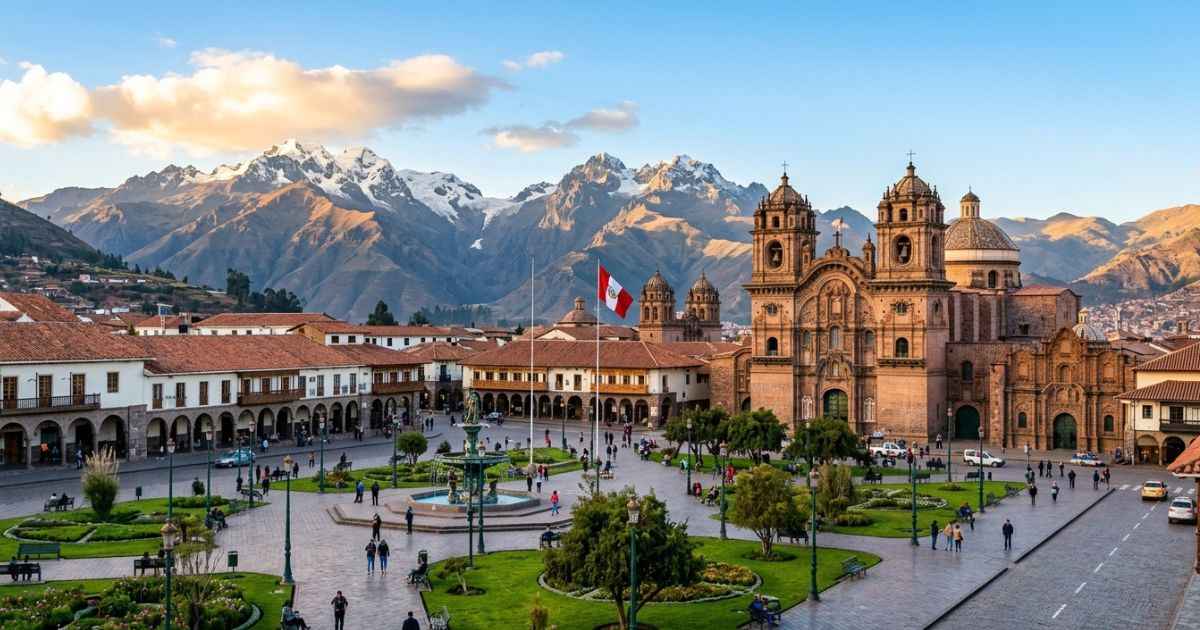
Cusco is much more than just a quick stop on your way to Machu Picchu. Sitting high in the Andes mountains, this historic city is a living museum of Inca and Spanish colonial history. Travelers searching for things to do in Cusco will discover ancient stone walls, lively local markets, beautiful art museums, and breathtaking day trips.
Because the city sits at 3,400 meters (11,150 feet) above sea level, you need a smart plan. Planning for 2 to 3 full days in Cusco city before attempting any major treks helps your body adjust to the thin air. This guide covers the top attractions, day trips, food spots, tickets, and safety tips to help you experience the best of the region.
How Many Days Do You Need in Cusco?
Plan for at least 2 to 3 full days in Cusco city itself, plus extra time for day trips and Machu Picchu. Giving yourself a few days to rest prevents altitude sickness and lets you explore the historic center properly.
- 1 Day: Too rushed. Only works if you already spent time at a lower altitude in the Sacred Valley. Focus on the Plaza de Armas and Qorikancha.
- 2 Days: Manageable for travelers who adjust quickly. Day one covers the historic center and market. Day two covers nearby ruins.
- 3 Days: The ideal length for first-time visitors. Days one and two focus on city sights and rest. Day three is perfect for a Sacred Valley day trip.
- 4 to 5 Days: Allows you to add Rainbow Mountain or Humantay Lake, visit local museums, and take a cooking class.
- 1 Week or More: Perfect for combining Cusco with multi-day treks like the Salkantay trek or extended stays in the countryside.
Best Time to Visit Cusco
The best time to visit Cusco is during the shoulder months of late April to May and September to early October. During these months, you get good weather with fewer crowds.
Weather patterns in the Andes divide the year into two main seasons. The dry season runs from May through September, bringing clear blue skies and cold nights that can drop below freezing. This period is best for trekking and mountain photography. The wet season runs from November through March, bringing daily afternoon rains and muddy trails. However, the wet season offers lower prices, fewer tourists, and lush green landscapes.
| Month Range | Season | Weather | Crowd Level | Best For |
| May – September | Dry Season | Clear skies, cold nights | High | Trekking, photography, mountain views |
| November – March | Wet Season | Daily rains, green hills | Low to Moderate | Budget travel, museums, fewer tourists |
Festival timing also matters. The famous Inti Raymi sun festival takes place on June 24 and brings huge crowds. If you visit in June, book your hotel and tickets months in advance.
Cusco Altitude Sickness Guide: How to Acclimatize Safely
Cusco sits at an altitude of 3,400 meters, where the air contains about seventy percent of the oxygen found at sea level. Altitude sickness, locally called soroche, affects more than half of all visitors. Common symptoms include headaches, dizziness, fatigue, nausea, and trouble sleeping.
Follow these rules during your first 48 hours to stay healthy:
- Rest on arrival day: Do not plan any hard hikes or uphill walks on your first day.
- Hydrate aggressively: Drink three to four liters of water daily, starting on your flight. Add electrolyte powder to your water.
- Avoid alcohol: Do not drink alcohol or take sleeping pills for your first two days because both slow down your breathing.
- Eat light meals: Choose high-carbohydrate, low-fat meals that are easy to digest.
- Consider sleeping low: Some travelers stay in the nearby Sacred Valley at 2,850 meters on night one instead of Cusco to ease the transition.
- Try coca tea: Local hotels offer hot coca leaf tea, which helps ease mild symptoms.
If you experience severe confusion, an inability to walk, or nonstop vomiting, descend to a lower altitude immediately and seek medical help.
Top 10 Things to Do in Cusco City
- Plaza de Armas: The historic main square and heart of Cusco, surrounded by colonial arcades, the main cathedral, and stone-paved streets. It is the best spot for people-watching, joining a tip-based walking tour, or watching Sunday traditional dances.
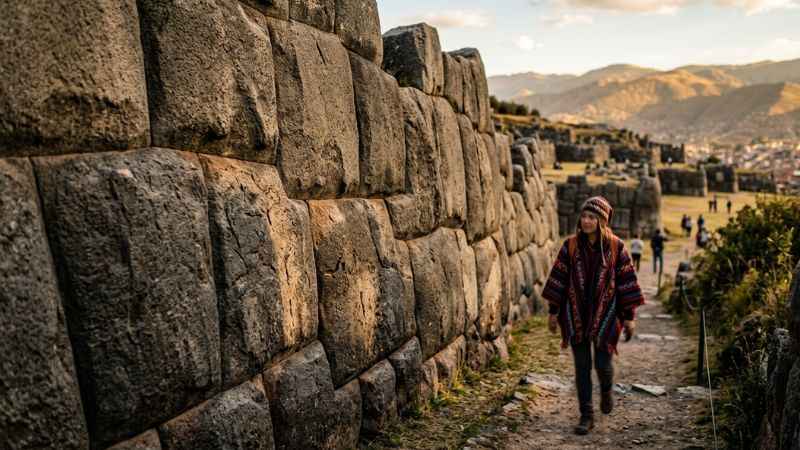
- Qorikancha (Temple of the Sun): The Inca Empire’s most sacred temple, where Spanish conquerors later built the Santo Domingo Church. Visitors can marvel at the curved, earthquake-proof Inca stonework. Entrance costs about S/15 ($4 USD).
- Cusco Cathedral: Built over an old Inca palace, this sixteenth-century church houses a famous painting of the Last Supper featuring a plate of cuy (guinea pig). Entrance costs about S/40 ($12 USD).
- Twelve-Angled Stone (Hatun Rumiyoc): A famous example of ancient Inca engineering on Hatun Rumiyoc Street. Workers carved this stone to fit perfectly with neighboring blocks without using any mortar. It is free to view from the street.
- Sacsayhuamán: A massive stone fortress overlooking the city with zigzag walls made of giant megaliths. Visiting in the late afternoon offers the best sunset lighting over the valley. Access requires the Boleto Turístico: either the Full Pass (S/130, 10 days) or Partial Circuit I (S/70, 1 day, covers Sacsayhuamán + 3 nearby ruins). There is no individual Sacsayhuamán ticket.
- San Blas Neighborhood: A steep hillside art district packed with narrow cobblestone lanes, craft shops, cozy cafes, and great viewpoints. Take a taxi up the hill if you are still getting used to the altitude.
- San Pedro Market (Mercado Central de San Pedro): A bustling local market filled with fresh fruit juices, traditional medicines, alpaca sweaters, and hot food stalls. Visiting before 11 AM gives you the best experience of local life. Browsing is free.
- Cristo Blanco Viewpoint: A large white statue of Christ on the hill behind Sacsayhuamán that offers sweeping views of the entire city. You can hike up the steep trail for free or take a short taxi ride.
- Museo Inka: A top museum for learning about Andean history, mummies, and pottery. It is included on the main tourist ticket, while other museums like the Pre-Columbian Art Museum charge separate fees.
- Traditional Textile Center: A cultural center where local weavers demonstrate how they spin, dye, and weave alpaca wool using ancient natural methods. Admission is inexpensive, and purchases directly support local weaving families.
Best Day Trips from Cusco
| Day Trip | Altitude | Difficulty | Time Needed | Cost (2026 est.) | Best For |
| Sacred Valley | 2,850m | Easy | Full Day (8-10 hrs) | $25 – $40 tour | First-time trip, acclimatization, ruins |
| Moray & Maras | 3,300m | Easy-Moderate | Half Day | $20 – $35 tour | Unique farming terraces, salt pools |
| Rainbow Mountain | 5,200m | Hard | Full Day (12-14 hrs) | $30 – $50 tour | Experienced hikers, iconic views |
| Humantay Lake | 4,200m | Moderate-Hard | Full Day (10-12 hrs) | $35 – $55 tour | Turquoise glacial lake, photography |
Sacred Valley Full-Day Tour
The Sacred Valley sits lower than Cusco at 2,850 meters, making it an ideal second-day trip. A standard tour covers the ruins and artisan markets in Pisac, the fortress town of Ollantaytambo, and the weaving center in Chinchero. You can book guided group tours easily or ride a shared public van (colectivo) for a lower cost.
Rainbow Mountain or Palccoyo
Vinicunca, known as Rainbow Mountain, features natural colored mineral stripes at an altitude of 5,200 meters. Because of the extreme altitude, you should only attempt this hike after four days of adjusting to the air. If you want an easier option with similar views and fewer crowds, choose Palccoyo, which requires a much shorter and flatter walk.
Humantay Lake
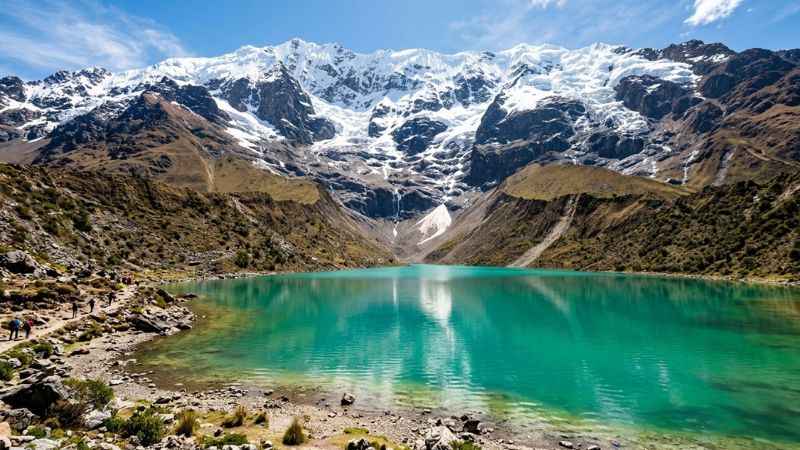
This stunning turquoise glacial lake sits at the base of a snowy peak at 4,200 meters. The hike requires a steep one-to-two-hour uphill climb, but the scenic payoff is worth the physical effort. Tours leave early in the morning from Cusco and include breakfast and lunch.
Moray and Maras Salt Ponds
Moray features giant circular agricultural terraces built by the Incas to test crops at different micro-climates. Nearby, the Maras Salt Ponds consist of thousands of terraced pools where local families harvest salt by hand using ancient underground spring water.
Cusco Tickets & Passes: Boleto Turístico Explained
The Boleto Turístico del Cusco (Cusco Tourist Ticket) is a multi-site pass that covers sixteen archaeological sites and museums across the region. Buying this pass saves money if you plan to visit multiple ruins. Children under 10 receive free entry with ID.
- Full Pass (Ten Days): Costs S/130 (about $35 USD) and covers all sixteen sites across three different circuits.
- Partial Pass (One to Two Days): Costs S/70 (about $19 USD) and covers a single specific circuit. Circuit I covers the four ruins above Cusco (Sacsayhuamán, Q’enqo, Puka Pukara, Tambomachay). Circuit II covers Sacred Valley sites (Pisac, Ollantaytambo, Chinchero). Circuit III covers South Valley sites (Tipón, Pikillacta) plus select museums.
What Is Not Included
- Machu Picchu: Requires an entirely separate ticket booked months in advance through the official government website.
- Maras Salt Ponds: Charges a separate cash entrance fee of approximately S/15–S/18 (about $4–5 USD) at the gate, paid in soles.
- Certain Museums: Private venues like the Pre-Columbian Art Museum (MAP) require separate tickets.
Free Things to Do in Cusco
- Spend time walking around the Plaza de Armas and listen to street musicians.
- Look at the famous Twelve-Angled Stone on Hatun Rumiyoc Street.
- Wander through the colorful alleys of the San Blas artisan neighborhood.
- Browse the stalls at San Pedro Market and sample fresh fruit juices.
- Hike up to the Cristo Blanco Viewpoint or the San Cristóbal Viewpoint for free city panoramas.
- Join a tip-based free walking tour starting from the main square.
- Watch the Sunday traditional dance performances in the Plaza de Armas.
Where to Eat in Cusco
Cusco offers an amazing food scene that blends ancient Andean crops like potatoes, corn, and quinoa with modern culinary techniques.
- Morena Peruvian Kitchen: Located near the main square, this restaurant serves contemporary Peruvian dishes like lomo saltado in a stylish setting.
- Kusykay: A cozy spot near the center specializing in traditional Andean food, including local roasted guinea pig and river trout.
- Cappuccino Café: A popular breakfast spot overlooking the Plaza de Armas that serves fresh coffee, eggs, and pastries.
- Nonna Trattoria: Found in the San Blas neighborhood, offering a popular mix of Italian and Peruvian fusion meals.
- San Pedro Market Food Stalls: The best budget choice for local soups, fresh empanadas, and fruit juices for just a few soles.
Sample Cusco Itineraries
3-Day Cusco Itinerary (Acclimatization Focus)
- Day 1: Arrive in Cusco and rest at your hotel. Take a slow, flat walk around the Plaza de Armas and the San Pedro Market. Eat a light dinner and avoid alcohol.
- Day 2: Visit Qorikancha, the Cusco Cathedral, and the Museo Inka. Take a taxi up to the San Blas neighborhood, walk down the cobblestone streets, and check out the Cristo Blanco viewpoint.
- Day 3: Take a full-day guided tour of the Sacred Valley to explore Pisac and Ollantaytambo. Sleeping at the lower altitude of the valley helps your body adjust.
5-Day Cusco Itinerary
- Days 1 to 3: Follow the acclimatization and Sacred Valley plan above.
- Day 4: Hike Rainbow Mountain or Humantay Lake if your body feels fully adjusted to the altitude.
- Day 5: Visit the agricultural ruins at Moray and the salt evaporation ponds at Maras, then enjoy a relaxing final evening in the city.
Common Mistakes to Avoid in Cusco
- Not giving your body time to adjust: Flying straight from sea level to Cusco and hiking right away often leads to severe altitude sickness. Give yourself two rest days before hard hikes.
- Drinking alcohol on night one: Celebrating your arrival with a traditional pisco sour too early makes altitude symptoms much worse. Wait 48 hours before drinking alcohol.
- Rushing through the city: Spending only one day in Cusco before rushing to Machu Picchu means you miss out on local culture and risk getting sick.
- Buying the wrong tourist ticket: Make sure you buy the correct circuit pass on your Boleto Turístico based on the specific sites you want to visit.
- Visiting Maras without cash: The salt ponds are not included on the tourist pass and do not accept credit cards, so carry Peruvian soles.
- Carrying heavy gear on day hikes: Pack only water, light snacks, sunscreen, and layers for high mountain excursions to avoid extra physical strain.
Getting Around Cusco
Walking is the best way to explore the historic center because most main attractions sit within a short distance of the Plaza de Armas. However, steep hills and high altitude can make walking exhausting.
- Taxis: Street taxis are widely available. Short rides within the city cost between S/10 and S/15. Always negotiate the fare before getting into the car because local taxis do not use meters. Ride-sharing apps like Uber also operate safely in the city.
- Shared Vans (Colectivos): Travelers heading out to the Sacred Valley can catch cheap shared vans from Calle Puputi for a few soles per person.
- Trains to Machu Picchu: Trains depart from stations in Poroy (near Cusco) or Ollantaytambo (in the Sacred Valley). Companies like Peru Rail and Inca Rail require advance bookings.
Frequently Asked Questions (FAQ)
How many days do I need in Cusco?
Plan for two to three full days in Cusco city for sightseeing and altitude adjustment, plus one day for the Sacred Valley and one to two days for Machu Picchu. Travelers adding Rainbow Mountain should budget at least five days total in the region.
What is the best time to visit Cusco?
The best time to visit Cusco is during the shoulder months of late April to May and September to early October when weather is clear and crowds are smaller. The dry season from May to September is best for mountain trekking.
Do I need to acclimatize in Cusco before Machu Picchu?
Yes, you should spend at least two days in Cusco or the lower Sacred Valley before visiting Machu Picchu or attempting high-altitude treks. This prevents altitude sickness and helps you enjoy your trip safely.
What are the best day trips from Cusco?
Top day trips include the Sacred Valley for Inca ruins and markets, Rainbow Mountain for unique colored geological layers, Humantay Lake for alpine scenery, and Moray with Maras for terraced farming and salt pools.
Is the Boleto Turístico worth it?
Yes, if you plan to visit three or more paid attractions. The full pass covers sixteen different sites and costs much less than paying separate individual entrance fees for major ruins like Sacsayhuamán.
Your next best step: Review your travel dates and book your accommodation and Machu Picchu entrance tickets several months in advance to secure your spot during peak seasons.
You May Also Like:
Things to Do in Lima, Peru: The Complete 2026 Guide (Beyond Machu Picchu)
The Ultimate Guide to Things to Do in Ecuador: How to Choose Without Trying to See Everything