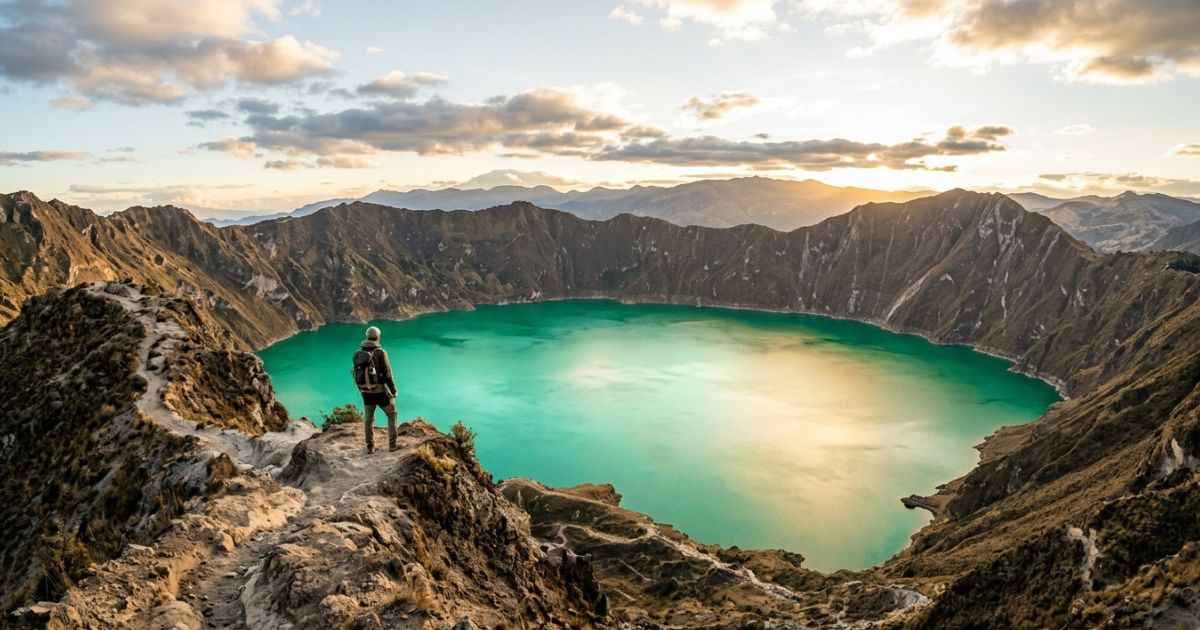
Ecuador packs the Galápagos Islands, the Amazon rainforest, the high Andes mountains, and the Pacific coast into a country the size of Nevada. This layout gives you four distinct worlds in one small trip.
When you start looking for things to do in Ecuador, it is easy to feel overwhelmed by the choices. You cannot see everything in one standard vacation without spending all your time traveling. This guide gives you a simple planning framework to build your ideal trip based on your actual interests.
Before you book your flights, note a few practical 2026 entry rules. You must fill out the free online FRA customs form before you arrive. Citizens from the US, Canada, UK, and EU do not need a tourist visa for stays up to 90 days.
What Ecuador Is Best Known For
Ecuador is famous for diverse landscapes packed into a compact area. You can stand in the high Andes in the morning and reach the warm Amazon basin by afternoon.
- Galápagos Islands: Home to rare wildlife that has no fear of humans, including giant tortoises.
- Andean Volcanoes: Towering peaks like Cotopaxi and Chimborazo shape high-altitude valleys and turquoise crater lakes.
- Amazon Rainforest: Deep jungle areas like Yasuní and Cuyabeno offer river boat tours and rich wildlife spotting.
- Colonial Cities: Historic city centers in Quito and Cuenca preserve well-maintained Spanish architecture and stone plazas.
- Adventure Hubs: Mountain towns like Baños and Mindo provide whitewater rafting, zip-lining, and hiking trails.
Is Ecuador Safe to Visit in 2026?
Safety in Ecuador is geographically concentrated rather than uniform across the entire country. Violent crime largely stays restricted to specific coastal provinces and local gang conflicts rather than mainstream tourist tracks.
The Galápagos Islands, Cuenca, and the historic center of Quito remain safe for travelers who use normal street smarts. Official advisories from the US State Department and UK FCDO place high-risk warnings on coastal zones near the Colombian border and parts of Guayas. Popular tourist areas keep normal security levels when you avoid isolated streets after dark.
Everyday precautions keep your trip smooth. Do not hail random street taxis in major cities; use registered apps like Uber or inDrive, or ask your hotel to call a cab. Keep your phone out of sight on busy sidewalks, and only use indoor ATMs during daylight hours.
Planning Your Trip: Time, Budget, and Best Time to Visit
How Many Days Do You Need in Ecuador?
Your trip length determines how many regions you can visit comfortably. Trying to fit all four worlds into one week leads to exhausting travel days.
| Trip Length | Recommended Regions | Best For |
| 7-10 Days | Quito plus one region (Andes or Amazon) | First-time visitors with limited vacation time |
| 14-18 Days | Quito, Andes, and Amazon OR Galápagos | Balanced travelers wanting deep exploration |
| 21+ Days | All four regions at a relaxed pace | Travelers wanting a complete country overview |
Ecuador Travel Costs: What to Expect in 2026
Ecuador uses the US dollar as its official currency, which makes budgeting straightforward for North American travelers. Daily expenses run lower than in the US or Western Europe.
Budget travelers spend about $35 to $50 daily by staying in hostels, eating local market meals, and taking public buses. Mid-range travelers spend $75 to $120 daily for private hotel rooms, guided day tours, and sit-down dinners. Luxury travel starts around $200 per day and climbs quickly if you book high-end Amazon lodges or multi-day Galápagos cruises.
Galápagos travel requires a separate budget tier. Every visitor must pay a $200 National Park entrance fee in cash upon arrival at the airport, alongside a separate $20 Transit Control Card fee purchased before the mainland-to-islands flight. Round-trip flights from Quito or Guayaquil cost around $300 to $500, and island-hopping tours add several hundred dollars more.
Best Time to Visit Ecuador by Region
Weather patterns vary greatly depending on which elevation and ecosystem you visit.
- Andes and Quito: June through September brings the driest weather, while December and January offer a secondary dry season with clear morning mountain views.
- Galápagos Islands: December through May brings warm water, calm seas, and active breeding seasons. June through November brings cooler air, rougher water, and great scuba diving with whale sharks.
- Amazon Rainforest: The jungle stays hot and humid year-round. September through March tends to be slightly drier with lower river levels.
- Pacific Coast: June through December stays drier, while January through April brings warmer water and daily tropical rain showers.
Entry Requirements and Practical Info
You must complete the online Formulario de Registro Aduanero customs form before arrival. Your passport must remain valid for at least six months past your travel dates.
Travelers heading into the Amazon should get a yellow fever vaccination at least ten days before departure, which is recommended for Amazon travel and mandatory only if arriving from specific neighboring countries with yellow fever transmission. Keep WhatsApp downloaded on your phone, as hotels, drivers, and tour operators use it as their primary communication tool.
The Galápagos Islands: Wildlife Encounters You Can’t Get Anywhere Else
The Galápagos Islands are a volcanic archipelago located 600 miles off the coast of Ecuador. Geographic isolation allowed unique animal species to evolve without natural predators, meaning wildlife shows no fear of humans.
Must-do experiences across the islands include swimming alongside playful sea lions and marine iguanas in shallow coves. You can view massive giant tortoises roaming free in highland reserves on Santa Cruz Island. Snorkeling trips reveal white-tip reef sharks, sea turtles, and colorful rays gliding through clear Pacific waters.
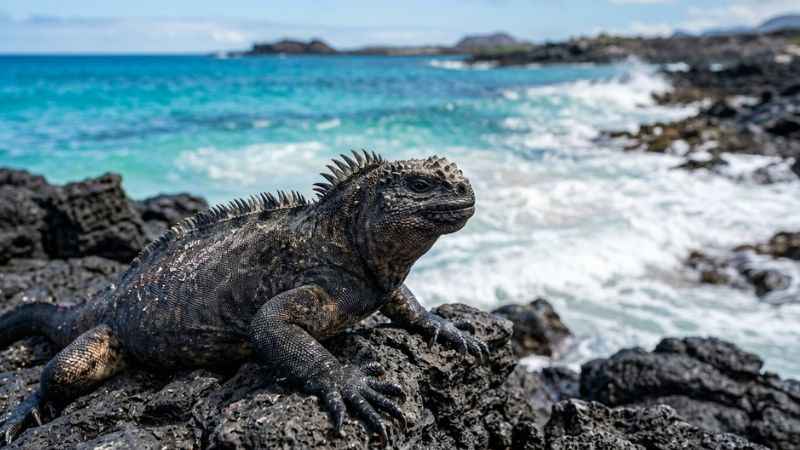
Independent island-hopping is possible on public speedboats between Santa Cruz, San Cristóbal, and Isabela, but multi-day cruises reach remote western islands. Budget at least 5 to 7 days here to account for travel days and multiple excursion sites.
Quito and the Andean Highlands: Volcanoes, Colonial Cities, and Equator Lines
Quito’s Historic Center
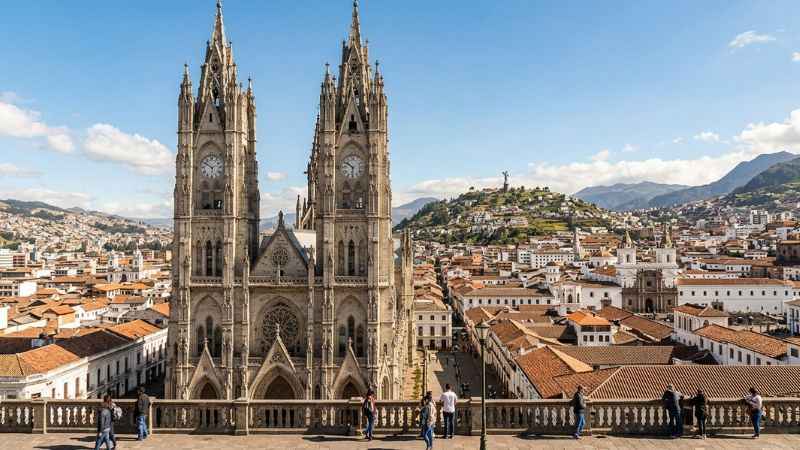
Quito holds one of the largest and best-preserved historic centers in South America. Spanish colonial architecture fills the old town, featuring stone plazas and ornate gold-leaf churches.
The Basílica del Voto Nacional features steep gothic towers you can climb for panoramic city views. Iglesia de la Compañía de Jesús showcases an interior covered entirely in intricate gold artwork. Spend an afternoon walking down La Ronda street to browse local artisan workshops and sample sweet empanadas. Plan for 1 to 2 days here, keeping your valuables secure in crowded plazas.
Mitad del Mundo and Intiñan Museum
The Mitad del Mundo monument marks the middle of the Earth just north of Quito. The nearby Intiñan Museum offers interactive science demonstrations on the equator line, such as balancing eggs on nails. You can combine this half-day trip with a stop at the rim of the massive Pululahua volcanic crater.
Cotopaxi National Park
Cotopaxi is one of the world’s highest active volcanoes, capped by a permanent glacier. Day trips from Quito let you hike up to the José Rivas refuge at 15,700 feet or mountain bike down the volcanic slopes. Arrive early in the morning for the clearest views before afternoon clouds roll in.
Quilotoa Crater Lake
Quilotoa is a collapsed volcanic caldera filled with striking turquoise water. You can hike the steep 4 to 5-hour trail along the entire crater rim or simply enjoy the viewpoint from the upper village. Overnight stays in the tiny village of Quilotoa let you experience authentic highland hospitality.
Otavalo Market and Cuicocha Lake
Otavalo hosts the largest indigenous artisan market in Ecuador every Saturday. Stalls overflow with hand-woven blankets, silver jewelry, and traditional clothing. Pair this market visit with a boat ride around the peaceful crater lake at nearby Cuicocha.
Avenue of the Volcanoes Road Trip
The Avenue of the Volcanoes is a scenic highway stretching south from Quito between two parallel mountain chains. Driving this route lets you stop at Cotopaxi, Quilotoa, and the massive Chimborazo wildlife reserve over 2 to 3 days.
Baños: Ecuador’s Adventure Capital
Baños de Agua Santa sits in a lush green valley at the base of the active Tungurahua volcano. Mineral-rich volcanic hot springs line the town edges, offering a relaxing soak after a day of high-energy activities.
- Casa del Árbol: Ride the famous swing hanging over the edge of a steep canyon with views of the volcano.
- Pailón del Diablo: Hike down wet stone steps to stand directly behind a thundering 260-foot waterfall.
- Ruta de las Cascadas: Rent a mountain bike and pedal down the paved highway past a dozen rushing waterfalls.
- Extreme Sports: Book whitewater rafting trips down the Pastaza River, try canyoning down rocky cliffs, or go zip-lining above deep river gorges.
Plan for 2 to 3 days in Baños. Buses run regularly from Quito in about 3.5 hours, making travel straightforward for independent backpackers.
Mindo Cloud Forest: Birdwatching and Chocolate
Mindo sits in a cool cloud forest ecosystem just two hours west of Quito. The moist mountain air creates an ideal habitat for hundreds of colorful bird species, including toucans, tanagers, and tiny hummingbirds.
Local guides lead early morning birdwatching walks through misty forest trails. You can visit butterfly greenhouses, ride the open-air tarabita cable car across the forest canopy, and tour small organic chocolate farms to taste bean-to-bar treats. Mindo makes an easy day trip or a 2-night nature escape from the capital.
The Amazon Rainforest: Jungle Lodges and Wildlife
Ecuador’s Amazon basin offers some of the most accessible and biodiverse jungle experiences in South America. Deep forest reserves teem with howler monkeys, macaws, river dolphins, and caimans.
Travelers choose between three main Amazon regions based on time and budget:
- Cuyabeno Wildlife Reserve: Reached via motorized canoe down winding blackwater rivers, offering high chances of spotting monkeys, anacondas, and river dolphins on mid-range budgets.
- Yasuní National Park: Deeper in the rainforest, delivering pristine biodiversity and remote eco-lodges for dedicated wildlife enthusiasts.
- Tena / Napo Region: Easiest to reach from the Andes, great for short jungle stays and whitewater river trips.
Plan for a minimum of 3 days to experience the jungle properly. Most lodges include guided night walks, canoe trips, and visits to indigenous communities.
Cuenca and Southern Ecuador: Colonial Charm and Archaeology
Cuenca is a relaxed southern city known for its cobblestone streets, domed cathedrals, and artisan pottery workshops. El Cajas National Park sits just an hour outside the city, featuring high-altitude glacial lakes and rugged hiking trails through paramo grasslands. History lovers can travel further south to explore Ingapirca, the largest known Inca archaeological site in Ecuador. Give this region 2 to 3 days for a slower cultural pace.
Pacific Coast: Beaches, Surfing, and Whale Watching
Ecuador’s coast blends lively beach towns with quiet nature reserves. Montañita draws surfers and backpackers with steady waves and lively nightlife. Ayampe offers a quieter alternative with yoga classes and eco-lodges. Machalilla National Park protects pristine stretches of sand like Los Frailes beach. From June to September, humpback whales migrate past the coast, making local boat tours popular.
How to Prioritize: Building Your Itinerary Based on Interests
| Your Main Interest | Start With | Add If You Have Time | Skip If Short on Time |
| Wildlife | Galápagos (5-7 days) | Amazon (3-4 days) | Coastal beaches |
| Volcanoes & Hiking | Cotopaxi + Quilotoa (2-3 days) | Chimborazo, El Cajas | Amazon |
| Adventure | Baños (2-3 days) | Mindo zip-lining | Cuenca |
| Colonial Cities | Quito (2 days) + Cuenca (2 days) | Otavalo market | Galápagos |
| Birdwatching | Mindo (1-2 days) | Amazon lodge | Baños |
Common Mistakes to Avoid
- Trying to see every single region in a single week leads to burnout and missed flights.
- Underestimating winding mountain roads makes travel times between cities longer than expected.
- Skipping an acclimatization day in Quito leaves many travelers feeling dizzy from the 9,350-foot altitude.
- Forgetting that the $200 Galápagos National Park entrance fee must be paid in physical cash upon arrival at the airport.
- Hailing unverified street taxis instead of using hotel staff or ride-hailing apps.
FAQ: Things to Do in Ecuador
How far does $1 go in Ecuador?
Ecuador uses the US dollar, and everyday living costs run lower than in North America. A basic lunch at a local market costs about $3.50, a mid-range dinner for two runs around $35, and public bus rides cost $0.35. Budget travelers manage on $35 to $50 daily before accommodation, while mid-range visitors spend $75 to $120.
Do I need a visa for Ecuador?
Citizens of the US, Canada, the UK, EU, Australia, and New Zealand do not need a tourist visa for stays up to 90 days. Citizens from dozens of countries must apply for a visa in advance. Always check official entry rules for your specific passport before booking.
What vaccinations do I need for Ecuador?
No vaccinations are legally required for entry from most standard destinations. However, a yellow fever vaccination is recommended if you plan to visit Amazon provinces or arrive from a country with transmission risk. Hepatitis A and typhoid shots are also smart preventive choices.
Can you drink tap water in Ecuador?
Tap water is treated and generally safe in major cities like Quito and Cuenca. Bottled or filtered water is strongly recommended in the Amazon, coastal villages, and rural areas. Most hotels and tour lodges provide clean drinking water stations for refillable bottles.
What currency is used in Ecuador?
Ecuador uses the US dollar as its official legal tender. Credit cards work well in upscale city hotels and restaurants, but small shops, local markets, and rural transport require cash. Carry extra paper currency for the cash-only Galápagos park fee.
Do they speak English in Ecuador?
Spanish is the official language spoken across the country. English is common in major hotels, high-end tour companies, and Galápagos visitor centers. In rural towns and local markets, knowing basic Spanish phrases makes navigation much easier.
Is the Galápagos worth the cost?
The Galápagos offers wildlife encounters you cannot experience anywhere else on Earth, making it worth the expense for animal lovers. Because national park fees, flights, and boat tours add up quickly, budget backpackers may prefer focusing on the Andes and Amazon.
Next Step: Pick your top travel priority from the matrix above, choose your trip length, and start booking your international flights into Quito today.
You May Also Like:
Things to Do in Bogotá: The Complete 2026 Travel Guide
Things to Do in Uruguay (2026): Best Places, Itineraries, Costs & Tips