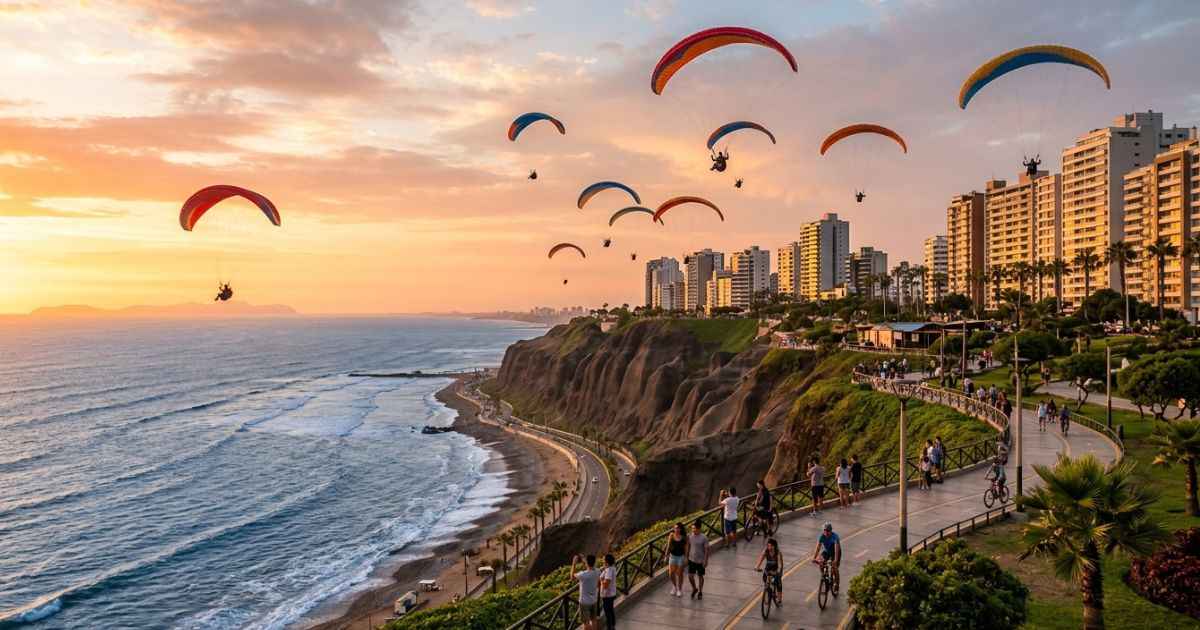
Lima is much more than a quick stopover on your way to ancient mountain ruins. South America’s gastronomic capital offers world-class restaurants, coastal clifftop parks, and five hundred years of layered history. Travelers looking for the best things to do in lima peru who skip this coastal desert city miss out on a vibrant cultural destination that deserves two to four days of exploration.
How Many Days Do You Need in Lima?
Trip length changes what you can experience in the city.
- 1 day: Tour the Historic Center and explore the clifftop parks in Miraflores.
- 2 days: Add the bohemian neighborhood of Barranco, one major museum, and evening water fountains.
- 3 days: Take a cooking class or food tour, visit a second museum, and walk deeper into local neighborhoods.
- 4 plus days: Book a day trip to ancient ruins, swim with sea lions, or explore nearby desert oases.
Best Neighborhoods in Lima for Tourists
Choosing where to spend your time depends on your travel style.
| Neighborhood | Best For | Safety | Walkability | Vibe | Price Range |
| Miraflores | First-timers, families | Very safe | Excellent | Tourist-friendly, polished | Moderate to high |
| Barranco | Nightlife, culture | Safe | Good | Bohemian, artsy | Moderate to high |
| Historic Center | Day visits only | Moderate | Good | Historic, bustling | Budget to moderate |
| San Isidro | Business, luxury | Very safe | Moderate | Upscale, quiet | High to luxury |
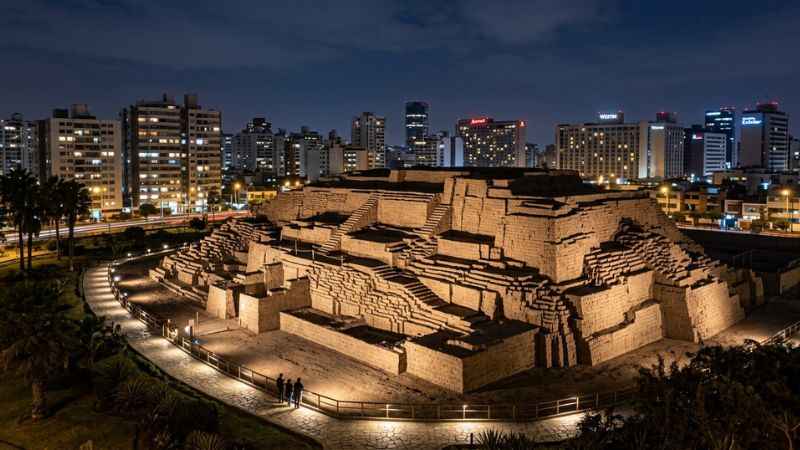
Miraflores is the default choice for most first-time visitors. This neighborhood sits right on the Pacific Ocean and offers reliable safety, high-end hotels, and walkable streets. Key sights include the extensive coastal boardwalk called the Malecón de Miraflores, the mosaic benches of Parque del Amor, and the pre-Inca ruin of Huaca Pucllana right in the middle of town.
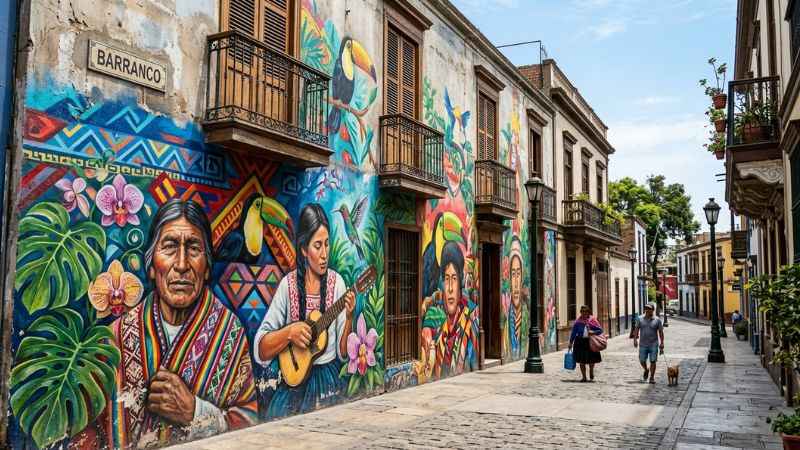
Barranco offers an alternative for travelers who want a creative atmosphere. This bohemian district features colorful street art, independent art galleries, historic colonial homes, and craft cocktail bars. Visitors walk across the romantic Bridge of Sighs and down the Bajada de los Baños path toward the ocean.
Historic Center (Centro Histórico) is a UNESCO World Heritage Site filled with grand Spanish architecture. Plaza Mayor, the Lima Cathedral, and the Government Palace sit in this busy zone. This area is less safe after dark, so stay in Miraflores or Barranco and visit the historic center during daylight hours.
San Isidro serves as the city financial and upscale residential district. It features quiet green spaces like El Olivar park and high-end residential streets. Business travelers and luxury seekers prefer this calm neighborhood.
Top 15 Things to Do in Lima
Historic and Cultural Attractions
1. Explore the Historic Center (Centro Histórico)
This UNESCO World Heritage Site preserves grand colonial architecture. Plaza Mayor serves as the main square, flanked by the Lima Cathedral and the Government Palace. Walking tours provide the best context and safety while exploring. Entrance to the cathedral costs approximately 20 soles (~$5-6 USD), while guided walking tours range from $25 to $40. Allow two to three hours for a visit.
2. Visit the San Francisco Monastery and Catacombs
This seventeenth-century monastery features striking baroque architecture and an underground burial site containing thousands of human remains. Human bones line decorative patterns inside the stone vaults. Entrance costs 30-46 soles (~$8-13 USD). Plan for one hour to ninety minutes, and skip this site if you feel uncomfortable around historical human remains.
3. Tour Huaca Pucllana
This pre-Inca adobe pyramid dates back to five hundred AD and stands surrounded by modern city buildings. The site includes an archaeological museum and an on-site restaurant overlooking the ruins. Evening tours offer dramatic floodlit views of the ancient bricks. Entrance costs approximately $6-10 USD for foreign adults, and guided tours run $25 to $40.
4. Discover Museo Larco
Housed in an eighteenth-century mansion in the Pueblo Libre district, this museum displays an extensive collection of pre-Columbian art. Beautiful gardens and a quiet courtyard cafe complete the property. Admission costs approximately 50 soles (~$12-15 USD) and includes a helpful audio guide. Spend two to three hours exploring the galleries.
5. Watch the Magic Water Circuit (Circuito Mágico del Agua)
Thirteen illuminated fountains make up this massive public park complex. Nightly shows feature synchronized displays of colorful lights, classical music, and water streams. Admission is included in most tour packages; verify current schedules before visiting as times vary by season. Arrive thirty minutes before showtime on weekend evenings.
Coastal and Scenic Experiences
6. Walk the Malecón de Miraflores
This extensive clifftop boardwalk overlooks the Pacific Ocean. Paragliders launch from the cliffs while surfers catch waves below. Parque del Amor features colorful mosaic walls inspired by Antoni Gaudí. The walk is entirely free and takes one to two hours. Sunset offers the best lighting for ocean views.
7. Visit Parque Kennedy
This busy park sits at the heart of Miraflores and is famous for the dozens of friendly cats that live among the trees. Street performers, local artists, and food carts fill the walkways in the evening. Visitors can sample local street snacks like anticuchos from nearby vendors. The park is free to enter and takes less than an hour to walk through.
8. Explore Barranco Street Art and Bridge of Sighs
The Puente de los Suspiros is a historic wooden bridge tied to local romantic legends. Vibrant murals cover the walls throughout the neighborhood streets. The Bajada de los Baños trail leads from the bridge down toward the Pacific shore. Give yourself two to three hours to wander the blocks and visit local galleries.
9. Shop and Dine at Larcomar
This unique shopping mall is built directly into the ocean-facing cliffs of Miraflores. It features outdoor terraces, international brands, and restaurants with panoramic sea views. Visiting the mall costs nothing, though dining expenses vary. Plan for one to three hours around sunset.
Food and Culinary Experiences
10. Take a Peruvian Cooking Class
Cooking classes teach visitors how to mix a pisco sour and balance citrus flavors for fresh ceviche. Most sessions begin with a morning trip to a neighborhood market to select fresh ingredients. Classes typically cost between $50 and $80 per person and run for three to four hours.
11. Join a Lima Food Tour
Guided walking tours introduce travelers to local fruits, street foods, and traditional neighborhood dishes. Guides share the history of Peruvian cuisine while stopping at family-owned eateries. These tours cost $40 to $80 per person and last about four hours. Wear comfortable shoes and come hungry.
12. Eat Ceviche at a Top Restaurant
Ceviche features raw fish cured in fresh lime juice, red onions, sweet potato, and giant corn kernels. Casual spots like La Mar serve incredible plates for $25 to $40, while world-renowned tasting menus at Central cost over $400 or Maido cost 550-750 soles (~$150-200 USD) without beverage pairing and require months of advance booking. Lunchtime is the best hour for seafood because the catch is freshest.
Museums and Art
13. Visit MALI (Museo de Arte de Lima)
Located inside Parque de la Exposición, this museum showcases Peruvian art from pre-Columbian times to the modern era. The grand exhibition hall handles smaller crowds than the Larco Museum. Admission costs PEN 30 (~$8-9 USD), and a thorough visit takes two to three hours.
14. Explore MATE (Mario Testino Museum)
This photography museum in Barranco celebrates the work of Peru’s most famous fashion photographer. Rotating contemporary exhibitions fill a restored nineteenth-century mansion. Ticket prices vary; confirm the current rate on arrival, and a standard visit takes roughly one hour.
15. Take a Day Trip from Lima
Travelers can easily escape the city for ancient ruins, wildlife islands, or desert dunes. Pachacamac offers ancient temples just thirty minutes away. Palomino Island boat tours let travelers swim wild with sea lions. Day trips range from $25 for nearby archaeology to $120 for island excursions.
Lima Food Scene: What to Eat and Where
Must-Try Peruvian Dishes
- Ceviche: Raw fish cured in lime juice, served with sweet potato and corn.
- Lomo Saltado: A sizzling beef stir-fry with soy sauce, onions, tomatoes, and fries.
- Ají de Gallina: Shredded chicken cooked in a creamy, mildly spicy yellow pepper sauce.
- Anticuchos: Grilled beef heart skewers seasoned with garlic and vinegar.
- Causa: A chilled layered potato dish stuffed with tuna or chicken.
- Pisco Sour: Peru’s national cocktail made from pisco brandy, lime juice, and egg white foam.
Restaurant Recommendations by Budget
- High-End (Reservations Essential): Central offers an altitude-based tasting menu costing 1,630 PEN (~$415 USD) for food only and requires booking up to six months ahead. Maido serves Japanese-Peruvian Nikkei dishes for 550-750 soles (~$150-200 USD) without drinks. Isolina dishes out giant portions of traditional comfort food for $40 to $60.
- Mid-Range ($15 to $40): La Mar serves exceptional daytime ceviche with no reservations accepted, so arrive early. El Mercado focuses on creative seafood dishes in a bright market setting. Pescados Capitales and La Picantería offer reliable local flavors in Miraflores.
- Budget-Friendly ($5 to $15): Local market stalls at Surquillo Market serve multiple fresh plates for a few dollars. Neighborhood lunch spots offer a daily menu special known as a menú del día. Barrio Chino serves Peruvian-Chinese Chifa dishes in large portions.
Food Tours Worth Booking
Neighborhood food walks feature multiple tastings. Surquillo Market cooking classes combine market shopping with hands-on kitchen time, with classes ranging from $50 to $80 USD. Evening street food tours highlight local night carts for roughly $50. Book these experiences early in your trip so guides can recommend neighborhood restaurants for the rest of your stay.
Best Day Trips from Lima
- Pachacamac Archaeological Site: This ancient administrative and religious center sits thirty minutes south of the city. Visitors explore the Temple of the Sun and the site museum. Tours cost $25 to $40 for a half-day outing.
- Palomino Islands: Morning boat tours depart from Callao port to marine islands home to thousands of sea lions and Humboldt penguins. Travelers can swim in the open water near the animals. Excursions cost $80 to $120 per person and take about four hours.
- Huacachina Oasis and Ballestas Islands: Huacachina is a natural desert lagoon surrounded by massive sand dunes where travelers ride dune buggies and try sandboarding. Ballestas Islands are rocky coastal formations teeming with seabirds. Combined full-day tours cost $100 to $140 and require an early morning start.
- Paracas National Reserve: This protected coastal desert area features dramatic red sand beaches meeting the blue Pacific Ocean. Most travelers combine Paracas with a morning boat trip to the nearby Ballestas Islands. Day trips cost $70 to $100 including transport.
Is Lima Safe? Essential Safety Tips
Lima is generally safe for tourists who stick to well-traveled neighborhoods like Miraflores, Barranco, and San Isidro, though basic street smarts are required.
- Do: Stay in recognized tourist districts, use Uber or official hotel taxis, keep valuable electronics hidden from view, walk on well-lit main streets after dark, and use hotel room safes.
- Don’t: Walk alone at night, visit unrecommended districts like Callao or La Victoria without a local guide, accept open food from strangers, or hail unmarked street taxis flagged down from the curb.
- Transportation Safety: Uber and registered ride apps provide the safest way to navigate the city. Airport Express Lima runs secure shuttle buses from the airport directly to Miraflores for about $8.
- Emergency Numbers: Dial 105 for police assistance, or call tourist police at (01) 433-1938.
Practical Planning Information
- When to Visit: December through April brings summer sunshine and warm daytime temperatures. May through November brings a heavy coastal cloud cover known as garúa, though it rarely rains.
- Getting Around: Rideshare apps cost $3 to $8 for most crosstown trips within tourist zones. Walking works well inside Miraflores and Barranco during the day.
- Budget Expectations: Budget travelers spend $40 to $60 daily using hostels and street food. Mid-range travelers spend $80 to $150 daily for standard hotels and casual restaurants. Luxury travel runs $250 or more per day.
- Language and Communication: Spanish is the local language, though hotel staff and restaurant workers speak English in tourist zones. Buying a local SIM card at the airport costs around $20 for data access.
Suggested Lima Itineraries
- 1 Day: Spend the morning exploring the Historic Center and Plaza Mayor. Grab a midday ceviche lunch in Miraflores before touring Huaca Pucllana. Finish the evening watching the light show at the Magic Water Circuit.
- 2 Days: Dedicate day one to the Historic Center, Museo Larco, and the evening water fountains. Spend day two walking the Malecón in Miraflores, exploring street art in Barranco, and dining near the Bridge of Sighs.
- 3 Days: Combine downtown history with a food tour on day one. Spend day two exploring museums and taking a cooking class. Use day third for a day trip to Pachacamac or a boat trip to swim with sea lions.
Frequently Asked Questions
Is Lima, Peru worth visiting?
Yes. Lima offers world-class restaurants, historic colonial architecture, excellent museums, and a dramatic ocean coastline. Plan at least two to three days to experience the city properly.
What is Lima best known for?
Lima is famous for exceptional cuisine including ceviche and pisco sour, pre-Columbian archaeological ruins, Spanish colonial buildings, and clifftop neighborhoods like Miraflores.
How many days do you need in Lima?
Two days cover the main highlights, while three days allow enough time to explore neighborhoods and the food scene without rushing.
Is Lima safe for tourists?
Yes, if you stay in tourist zones like Miraflores and Barranco. Avoid isolated areas at night, use ride apps instead of street taxis, and watch your belongings.
What is the best area to stay in Lima?
Miraflores offers the highest safety, most hotel options, and easy ocean views. Barranco suits travelers looking for nightlife, while San Isidro provides an upscale residential quiet zone.
Are there free things to do in Lima?
Walking the clifftop Malecón, exploring street art in Barranco, visiting Parque Kennedy, and viewing the plazas in the historic center cost nothing.
What food should I try in Lima?
Ceviche is an absolute must-try. Other local staples include lomo saltado, anticuchos, and the national pisco sour cocktail.
Can you drink tap water in Lima?
No. Drink bottled or purified water only, and skip ice made from tap water at street stalls.
Do I need to speak Spanish in Lima?
Not necessarily. English is spoken in hotels, restaurants, and tourist areas, though learning basic Spanish words helps.
What’s the best way to get from Lima airport to Miraflores?
Uber is the easiest and safest method for around $25 to $35, while the Airport Express bus offers a secure budget option for about $8.
Book that Peruvian cooking class now, reserve your spot at Central if you love fine dining, and make sure your Peru itinerary gives Lima the time it deserves.
You May Also Like:
Things to Do in Rio de Janeiro: The 2026 Zone-by-Zone Guide (3-7 Day Itineraries)
The Ultimate Guide to Things to Do in Ecuador: How to Choose Without Trying to See Everything