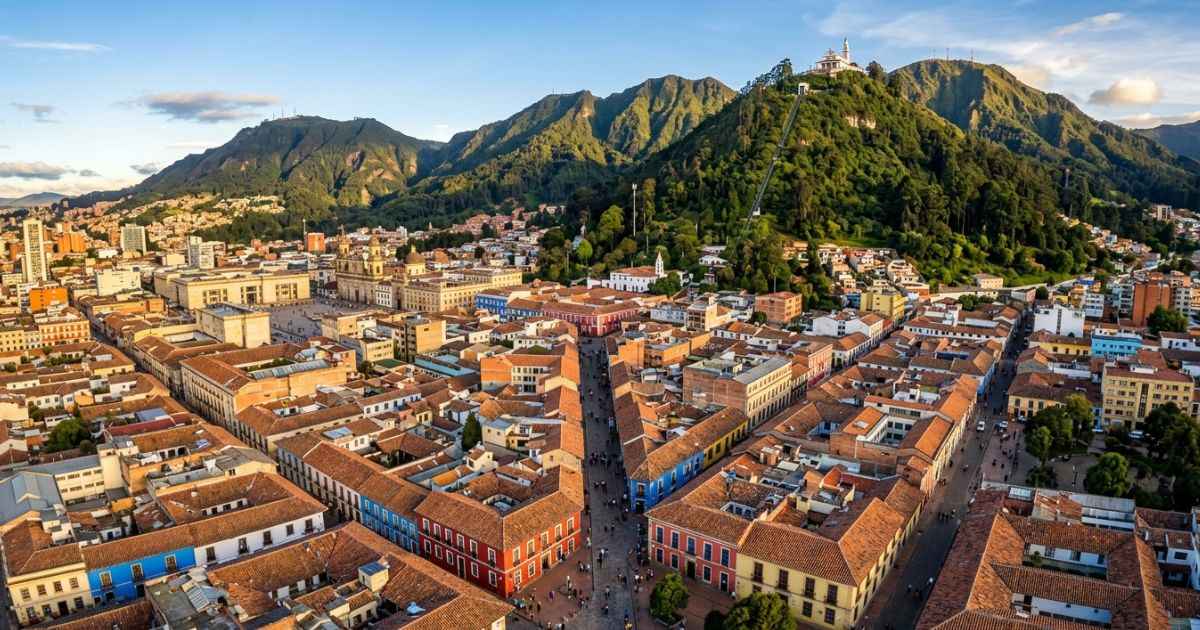
Looking for the best things to do in bogota? Perched high in the Andes mountains at 2,640 meters, this vibrant capital blends colonial history with modern street art, world-class museums, and a booming culinary scene. Whether you have two days or a full week, this guide covers everything you need to know for an unforgettable trip.
Why Visit Bogotá? What Makes It Worth Your Time
Bogotá is the cultural heart of Colombia, offering deep history, incredible food, and stunning mountain views without the overwhelming heat of the coast. It is a city of sharp contrasts where ancient gold artifacts sit just blocks away from cutting-edge modern art galleries and bustling street markets.
Top 10 Things to Do in Bogotá (Must-See Attractions)
1. Museo del Oro (Gold Museum)
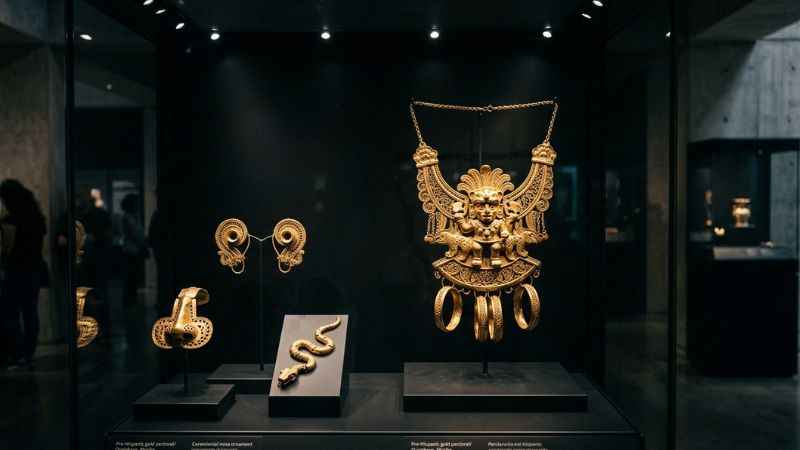
The Museo del Oro holds the world’s largest pre-Hispanic gold collection with over 34,000 golden pieces. Visitors can see the famous Muisca Raft, which inspired the legend of El Dorado. Admission is free for everyone on Sundays. On other days, general admission is COP $10,000 (approximately $2.50-3 USD) for most visitors, with free entry for children under 12 and adults over 62. The museum is closed on Mondays. Open Tuesday-Saturday 9am-7pm, Sundays 10am-5pm. Arrive early in the morning to beat the tour groups.
2. Cerro de Monserrate
Cerro de Monserrate is a towering mountain peak rising 3,152 meters above the city with a historic church at the summit. A cable car and funicular railway take visitors to the top for sweeping panoramic views of the entire valley. Round-trip tickets cost approximately COP $35,000 (about $9-11 USD) for basic entry, with guided tour packages ranging from $16-26 USD. Arrive by three in the afternoon to see the views before afternoon clouds roll in.
3. La Candelaria (Historic Old Town)
La Candelaria is the historic center of the city filled with colonial architecture, cobblestone streets, and colorful murals. Key stops include Plaza de Bolívar and Chorro de Quevedo, which is the site where the city was founded. Walking these streets is free, and self-guided or paid street art tours are widely available. Always take an official ride-share app when visiting after dark.
4. Museo Botero
The Museo Botero features more than one hundred works by Fernando Botero, Colombia’s most famous artist known for his exaggerated, voluminous figures. The museum is located right in La Candelaria and is free to enter every day it is open (closed on Tuesdays). It makes an easy pairing with a morning visit to the Gold Museum.
5. Plaza de Bolívar
Plaza de Bolívar serves as the civic heart of the capital and is surrounded by major government and religious buildings like the primary Cathedral and the Capitol. Visitors can watch the changing of the guard at the nearby Palacio de Nariño on specific days. The plaza is always open to the public at no cost.
6. Paloquemao Market
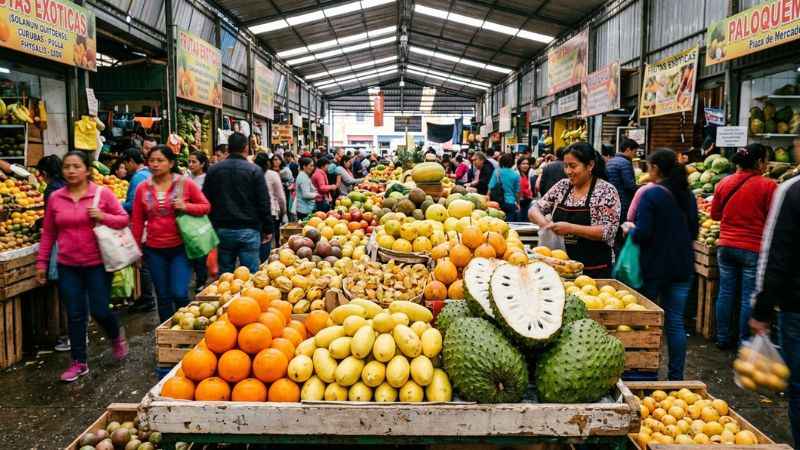
Paloquemao Market is a massive indoor trading hub where locals buy fresh produce, meat, and flowers. Visitors can sample exotic Colombian fruits like lulo, curuba, and guanábana for just a few dollars. The best time to visit is in the morning between seven and eleven when the market is most active.
7. Ciclovía (Sunday Car-Free Streets)
Ciclovía closes over 120 kilometers of city streets to cars every Sunday morning so people can bike, walk, and skate safely. Locals gather to exercise, listen to street music, and buy snacks from mobile vendors. This community event is completely free and runs from seven in the morning until two in the afternoon.
8. Usaquén Flea Market
Usaquén Flea Market transforms a charming northern colonial square into a bustling Sunday market filled with handmade crafts, antiques, and local street food. Admission is entirely free, though you will want cash on hand for food and souvenirs. Visit around nine in the morning to shop before the afternoon heat and crowds peak.
9. Jardín Botánico de Bogotá
The Jardín Botánico de Bogotá spans 19 hectares and showcases diverse Andean plants alongside a massive climate-controlled Tropicario glass dome. General admission costs COP $16,000 for Colombian nationals (approximately $5 USD) and COP $38,000 for foreign visitors (approximately $12 USD), which includes access to the Tropicario. The garden is closed on Mondays. It provides a quiet escape from the busy city streets for nature lovers and photographers.
10. Street Art in La Candelaria & Chapinero
Bogotá features some of the best urban muralism and street art in all of South America. You can explore the art for free by walking along Carrera 2 in La Candelaria or Calle 67 in Chapinero. Guided graffiti tours cost around thirty dollars and offer deep context about local artists and political history.
Best Neighborhoods to Explore in Bogotá
| Neighborhood | Safety Rating | Best For | Key Attractions |
| La Candelaria | Moderate Day / Low Night | History buffs and first-timers | Gold Museum, Botero Museum, Plaza de Bolívar |
| Chapinero | Good Day / Good Night | Local nightlife and food lovers | Carrera 7 bars, specialty coffee shops |
| Zona Rosa / Zona T | Very Good Day / Very Good Night | Upscale shopping and dining | Andino Mall, rooftop bars, fine dining |
| Usaquén | Very Good Day / Very Good Night | Quiet walks and weekend markets | Sunday flea market, colonial plaza |
| Parque 93 | Very Good Day / Very Good Night | Families and green spaces | Parque de la 93, Juan Valdez flagship |
| Zona G | Very Good Day / Very Good Night | Culinary travelers and fine dining | El Chato, Leo, top gourmet restaurants |
Best Day Trips from Bogotá
| Day Trip | Distance | Travel Time | Cost (USD) | Best For | Overnight Needed? |
| Zipaquirá Salt Cathedral | 50 km | 1-1.5 hrs | $38-70+ | Unique underground church | No |
| Laguna de Guatavita | 80 km | 2 hrs | $72-116+ | Muisca history and nature | No |
| Nemocón Salt Mine | 60 km | 1.5 hrs | $40-60 | Less crowded salt mine | No |
| Villa de Leyva | Approximately 160-165 km | 3-4 hrs | $60-80 | Colonial architecture | Yes |
| La Chorrera Waterfall | 40 km | 1 hr + hike | $40-60 | Hiking Colombia’s tallest waterfall | No |
Zipaquirá Salt Cathedral (Top Pick)
The Zipaquirá Salt Cathedral is an underground Catholic church carved directly inside the tunnels of an active salt mine. It is widely considered one of the most unique architectural sights in South America and makes an easy half-day trip. Entry for international visitors is COP 125,000 (approximately $32-40 USD). Organized tours from Bogotá range from $38-70+ USD depending on inclusions. Weekday mornings offer the quietest experience away from weekend crowds.
Laguna de Guatavita
Laguna de Guatavita is a deep green crater lake high in the mountains that holds deep spiritual importance for the indigenous Muisca people. It is the birthplace of the legendary El Dorado ritual where tribal leaders covered themselves in gold dust. Organized tours range from $72-116+ USD per person. Note that lagoon entrance fees may not be included in all tour prices.
Villa de Leyva (Requires Overnight)
Villa de Leyva is a remarkably preserved colonial town featuring one of the largest cobblestone town squares in South America. Because the drive takes three to four hours each way, staying overnight is essential to avoid a rushed, exhausting day. Visitors come here for photography, historic white-washed buildings, and nearby natural swimming pools.
La Chorrera Waterfall
La Chorrera is Colombia’s tallest tiered waterfall, plunging 590 meters down a lush mountain wall. Reaching the falls requires a moderate two to three-hour round-trip hike through the Andean cloud forest. Most travelers book a guided tour from the city that includes transport, gear, and an expert trail guide.
Chingaza National Natural Park
Chingaza National Natural Park protects a rare high-altitude páramo ecosystem known for its striking frailejón plants and wild Andean bears. Because the park is remote and protected, independent entry is restricted, requiring visitors to book an authorized guided tour in advance. It is ideal for serious hikers looking for raw, untouched wilderness.
What to Eat in Bogotá: Food & Dining Guide
Must-Try Colombian Dishes
- Ajiaco: A hearty chicken and potato soup flavored with local herbs, served with corn, avocado, and cream on the side.
- Arepas: Thick corn cakes grilled and stuffed with fresh cheese, shredded meat, or eggs.
- Empanadas: Crispy fried corn turnovers stuffed with seasoned meat and potatoes.
- Chocolate Santafereño: Rich hot chocolate served with a slice of fresh cheese dropped right into the mug to melt, accompanied by sweet bread.
- Exotic Fruits: Fresh tropical fruits like lulo, curuba, and guanábana purchased fresh at local markets.
Restaurant Recommendations by Budget
- Budget ($5-15 USD): La Puerta Falsa for traditional ajiaco, Mercado Paloquemao fruit stalls, and Empanadas La Gorda for quick snacks.
- Mid-range ($15-40 USD): Andrés DC in Zona Rosa for wild decor and steaks, El Cielo in Chapinero, and Salvo Patria in La Candelaria.
- Fine dining ($50-100+ USD): El Chato in Chapinero (ranked #1 in Latin America’s 50 Best 2025) and Leo in Zona G.
Food Tours & Cooking Classes
- Bogotá Food Experience: A combined cultural and culinary walking tour through the historic streets of La Candelaria.
- Eatable Stories: Specialized fruit and coffee tastings paired with interactive cooking classes.
- Graffiti and Food Tour: A popular experience that pairs urban street art walks with traditional street food tastings.
Bogotá Safety Guide: What Tourists Need to Know in 2026
General Safety Principles
- Never hail regular taxis off the street due to robbery risks; always use verified apps like Uber, Cabify, or Didi.
- Keep smartphones, cameras, and expensive jewelry tucked away out of sight while walking on public streets.
- Withdraw cash only from ATMs located securely inside bank branches or shopping malls during daylight hours.
- Carry minimal cash and leave your passport and extra bank cards locked inside your hotel room safe.
- If you are ever confronted by a thief, do not resist; valuables can be replaced, but your safety cannot.
Altitude Acclimatization (Critical for Safety)
Bogotá sits at an elevation of 2,640 meters, meaning low oxygen levels can catch unprepared travelers off guard with altitude sickness.
- Rest during your first 24 to 48 hours in the city and avoid heavy physical exercise.
- Drink significantly more water than usual since high altitudes accelerate dehydration.
- Skip alcohol entirely on your first night to help your body adjust smoothly.
- Eat lighter meals during your first two days to prevent stomach discomfort.
- Watch for symptoms like headaches, dizziness, and nausea, and descend to lower elevations if symptoms become severe.
Common Scams to Avoid
- Unlicensed street taxis: Always use ride-sharing applications or have your hotel book official transport.
- Distraction theft: Ignore strangers who accidentally spill substances on your clothes while an accomplice steals your bag.
- Fake police officers: Always demand official identification and insist on walking to a nearby police station if stopped.
Free Things to Do in Bogotá
- Museo Botero: Enjoy free entry to view famous Colombian art every day it is open (closed on Tuesdays).
- Museo del Oro: Explore the massive pre-historic gold collection entirely for free every Sunday.
- Museo Nacional: Visit Colombia’s oldest museum for free on the final Sunday of each month.
- Ciclovía: Join thousands of locals cycling and walking down car-free city avenues every Sunday morning.
- Paloquemao Market: Walk through the vibrant indoor market stalls at no charge.
- Usaquén Flea Market: Stroll through the charming colonial artisan stalls every Sunday morning.
- Plaza de Bolívar: Stand in the historic civic square at any hour of the day for free.
- Street art walks: Wander through La Candelaria and Chapinero to admire independent murals.
How Many Days Do You Need in Bogotá?
2 Days (Minimum)
- Day 1: Explore La Candelaria (Gold Museum, Botero Museum, Plaza de Bolívar) and take the cable car up Monserrate at sunset.
- Day 2: Visit Paloquemao Market in the morning and take a half-day trip to the Zipaquirá Salt Cathedral in the afternoon.
3 Days (Ideal)
- Day 1: Walk through La Candelaria, tour the gold and art museums, and enjoy sunset views from Monserrate.
- Day 2: Take a full-day guided trip to the Zipaquirá Salt Cathedral and Laguna de Guatavita.
- Day 3: Explore the Usaquén flea market if visiting on Sunday, join a street art tour, and experience the Zona Rosa nightlife.
4-5 Days (Comprehensive)
- Add an overnight stay in Villa de Leyva, extra neighborhood exploration in Chapinero and Parque 93, dedicated food tours, and secondary museums like the National Museum.
Getting Around Bogotá: Transport Guide
From Airport (BOG) to City
- Ride-sharing apps (Uber, Cabify, Didi): Costs roughly fifteen to twenty-five dollars and takes 45 to 60 minutes depending on traffic.
- Official airport taxi: Costs about twenty-five to thirty-five dollars when booked at the official counters inside the arrivals terminal.
- Hotel transfer: The most secure option for tired travelers, usually costing thirty to forty dollars.
Within the City
- Ride-sharing apps: The safest and most convenient way to navigate the city, with most urban rides costing between three and eight dollars.
- TransMilenio: The city’s rapid bus system costs about one dollar per ride, though it gets extremely crowded and can confuse first-time visitors.
- Walking: Safe during daylight hours in recommended neighborhoods, but avoid walking after dark.
Best Time to Visit Bogotá
Bogotá maintains a cool, spring-like climate year-round with temperatures hovering between 15 and 20 degrees Celsius due to its mountain altitude.
- Best months: December through March and July through August offer the driest weather for outdoor exploring.
- Festival de Verano: Held in July and August, featuring free sports tournaments and massive concerts across the city.
- Orígenes Festival: Takes place in August, celebrating traditional indigenous music and cultural heritage.
- Christmas lights: Early December brings stunning citywide holiday light displays, especially around Día de las Velitas.
- Avoid: The peak rainy months of April, May, October, and November if you plan to do heavy hiking or day trips.
FAQ: Things to Do in Bogotá
Is Bogotá safe for tourists in 2026?
Yes, provided you take sensible precautions. Always use ride-sharing apps instead of street taxis, keep your valuables hidden, and stick to well-policed neighborhoods like Chapinero, Zona Rosa, and Usaquén. Most visitors enjoy their trip without any safety incidents by staying alert.
What are the top 3 things to do in Bogotá?
The top three attractions are the Museo del Oro for its massive gold collection, Cerro de Monserrate for mountain views, and La Candelaria for historic architecture, street art, and local plazas.
How many days do I need in Bogotá?
Two days cover the absolute highlights, but three days is the ideal amount of time to see the major museums, visit Monserrate, and take a half-day trip to the Zipaquirá Salt Cathedral.
What day trips from Bogotá are worth it?
The Zipaquirá Salt Cathedral is the top pick for a half-day trip, while Laguna de Guatavita and Villa de Leyva offer great historical and architectural experiences if you have more time.
Are museums in Bogotá free?
Yes, select museums offer free admission days. The Museo Botero is free every day it is open (closed on Tuesdays). The Gold Museum is free on Sundays, and the National Museum is free on the final Sunday of each month.
What neighborhood should I stay in?
First-time visitors should choose La Candelaria for historic proximity or Chapinero for a local vibe and great transport links. Travelers seeking upscale nightlife prefer Zona Rosa or Zona T.
Is 4 days in Bogotá too much?
No, four days is not too much. The city offers enough world-class museums, diverse culinary spots, and nearby day trips to keep travelers happily busy for nearly a full week.
What food should I try in Bogotá?
You must try ajiaco soup, local corn arepas, crispy meat empanadas, chocolate santafereño with cheese, and fresh exotic fruit juices from Paloquemao Market.
How do I get from Bogotá airport to the city?
The safest methods are booking an official airport taxi at the indoor terminal counter or requesting an Uber using your phone once you exit the terminal.
What is the altitude in Bogotá and will it affect me?
Bogotá sits at 2,640 meters high, which can cause mild altitude sickness like headaches or fatigue. Drink extra water, rest during your first day, and avoid heavy alcohol consumption on your first night.
Final Tips for Visiting Bogotá
- Download offline Google Maps before you arrive to ensure you can navigate without active data.
- Install ride-sharing applications on your phone before landing at the airport.
- Notify your bank of international travel plans to prevent your cards from getting blocked.
- Learn a few basic Spanish phrases since English is not universally spoken outside major hotels.
- Carry small bills and coins because many smaller shops and street vendors cannot break large banknotes.
Book your ride-sharing app and download offline maps before stepping out to explore your first museum.
You May Also Like:
Things to Do in Uruguay (2026): Best Places, Itineraries, Costs & Tips
Things to Do in Cartagena, Colombia: The Complete 2026 Guide