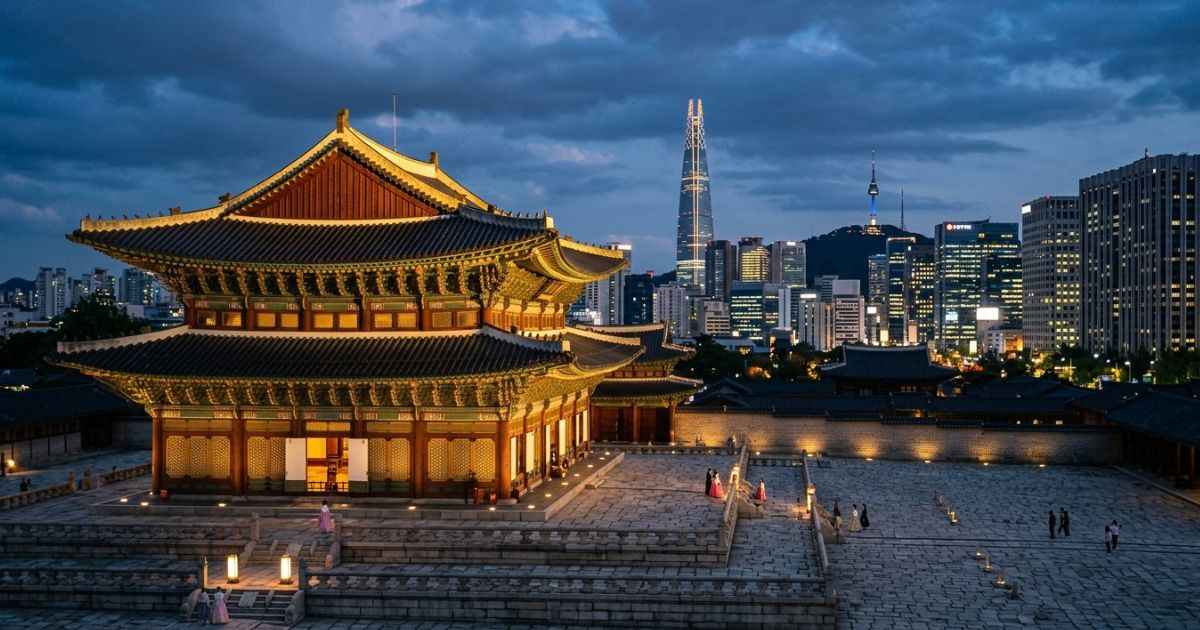
The top things to do in Seoul include exploring royal palaces, wandering hanok villages, eating at Gwangjang Market, hiking Namsan for tower views, and picnicking by the Han River. Planning a trip here requires up-to-date knowledge because palace entry fees, ticket windows, and night tour rules change frequently. This guide cuts through outdated travel blogs to give you real 2026 prices, correct closing days, and honest tips on what is actually worth your time.
Must-Do Seoul Experiences (The Non-Negotiables)
The absolute must-do attractions in Seoul combine royal history, bustling street food, and modern green spaces. If you only have a few days, focus on these five core spots.
- Gyeongbokgung Palace: This massive royal palace sits at the heart of the city and features the royal guard changing ceremony. Wear a traditional Korean hanok dress to enter for free, provided the outfit meets official traditional coverage standards (fusion or excessive exposure may be rejected).
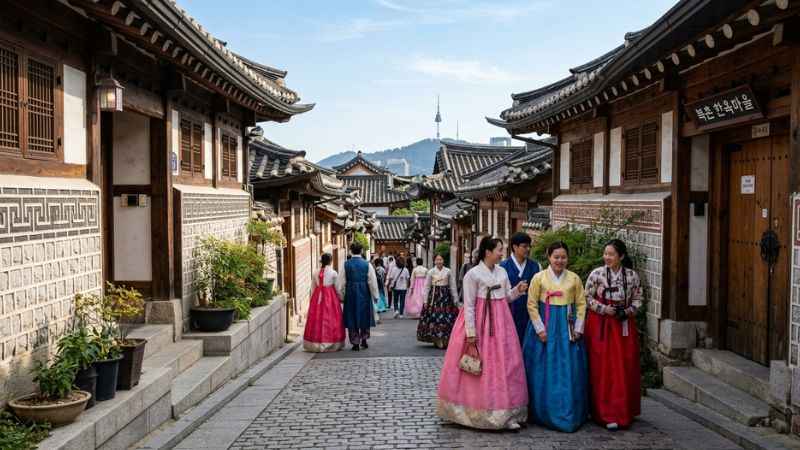
- Bukchon Hanok Village: Hundreds of preserved traditional homes create a historic neighborhood. Arrive before 10 AM to avoid crowds and respect the residents who live there.
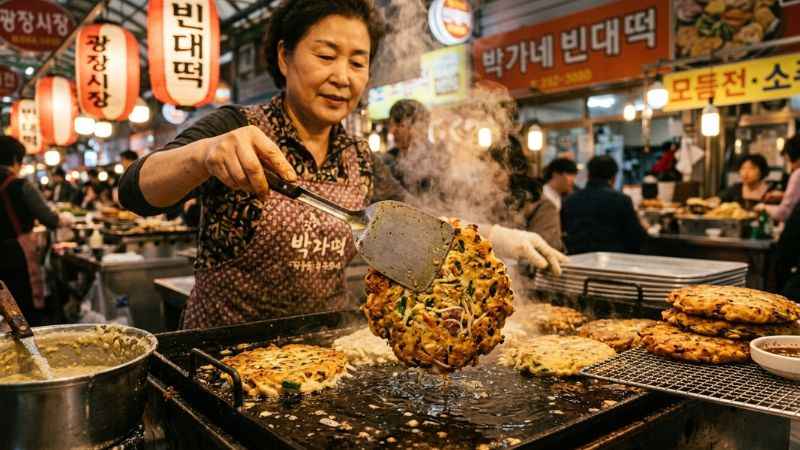
- Gwangjang Market: Opened in 1905, this indoor market is the best place to try mung bean pancakes and spicy rice cakes. Note that the general market closes on Sundays, but the food alley remains open daily until 23:00.
- Namsan + N Seoul Tower: Hike up Namsan mountain or take the cable car to reach the iconic tower. Free viewpoints exist on Namsan mountain trails and the plaza below, while the tower observatory requires a paid ticket.
- Han River Parks: Locals gather here to order fried chicken and beer directly to designated delivery zones. Visit Yeouido Park for evening water fountain shows.
| Attraction | Best Time | Cost | Pro Tip |
| Gyeongbokgung Palace | 10:00 AM | ₩3,000 | Closed on Tuesdays. Watch the guard changing ceremony at 10:00 AM, 2:00 PM, or 4:00 PM. |
| Bukchon Hanok Village | 8:30 AM | Free | Keep your voice down because people actually live in these houses. |
| Gwangjang Market | 12:00 PM | Variable | Bring cash for food vendors and note that the food alley is open daily. |
| N Seoul Tower | Sunset | Free (Tower is paid) | Walk the wooden trails up the mountain to enjoy free viewpoints instead of paying for the tower observatory. |
| Han River Parks | Late Afternoon | Free | Use the Baedaljon delivery zone signs to guide your food delivery driver. |
Seoul’s Royal Palaces: Tickets, Hours & 2026 Changes
Seoul features five grand palaces built during the Joseon Dynasty. General admission costs ₩3,000 for Gyeongbokgung and Changdeokgung, and ₩1,000 for Changgyeonggung and Deoksugung, but fees are scheduled to rise in January 2027. You can save money by purchasing a ₩6,000 combined ticket that covers four major palaces plus Jongmyo Shrine with a six-month validity.
Each palace closes on a different weekday so the city can handle maintenance safely. Gyeongbokgung closes on Tuesdays, while Changdeokgung, Changgyeonggung, and Deoksugung close on Mondays. Checking these schedules before you build your itinerary prevents wasted trips.
Seoul Palaces 2026: Prices, Hours, Closed Days
- Gyeongbokgung Palace: 9:00 AM to 6:00 PM (Closed Tuesdays). Admission is ₩3,000.
- Changdeokgung Palace: 9:00 AM to 5:30 PM (Closed Mondays). Admission is ₩3,000.
- Deoksugung Palace: Seasonal hours (typically 9:00 AM to 5:30/6:00 PM, with extended hours to 8:30/9:00 PM only during specific periods; Closed Mondays). Admission is ₩1,000.
- Changgyeonggung Palace: Seasonal hours (typically 9:00 AM to 5:30 PM; Closed Mondays). Admission is ₩1,000.
Visiting the famous Secret Garden inside Changdeokgung requires a separate timed ticket.
How to Book Changdeokgung Secret Garden (2026)
- Open the official Royal Palaces and Tombs Center website to book your visit.
- Select your time slot when booking opens.
- Pay the ₩5,000 Huwon fee on top of your ₩3,000 palace ticket for a total of ₩8,000.
- Arrive at the Secret Garden entrance gate ten minutes before your scheduled slot.
Night tours run during specific autumn windows, such as Gyeongbokgung night openings from September 2 to October 24 (Wed–Sun), and Changdeokgung Moonlight Tours from September 10 to October 17 (with foreigner-exclusive sessions limited to September 20, 27 and October 4, 11). Finally, all palaces offer free entry on every Wednesday (Culture Day) starting April 2026. Visitors wearing a hanok dress also enter for free every day, provided the outfit meets official traditional coverage standards.
Best Seoul Neighborhoods: Where to Go for What
Seoul is a collection of distinct districts, each with its own personality. Choosing the right neighborhood to explore depends on whether you want shopping, nightlife, or quiet tea houses.
Seoul Neighborhoods Matrix
- Myeongdong: Best for first-timers and makeup shopping. The vibe is busy and commercial. Stay here if you want easy subway access and airport bus convenience.
- Hongdae: Best for indie music, youth culture, and street busking. The vibe is loud and energetic. Stay here if you want cheap eats and late-night clubs.
- Insadong: Best for traditional crafts, art galleries, and teahouses. The vibe is cultural and relaxed. Stay here if you want to be close to the main palaces.
- Ikseon-dong: Best for trendy hanok cafés and photo spots. The vibe is narrow alleys and tight crowds. Stay here if you love boutique coffee shops.
- Seongsu-dong: Known as Seoul’s Brooklyn. Best for industrial design spaces and fashion pop-ups. The vibe is creative and modern. Stay here if you love design and coffee culture.
- Gangnam: Best for modern architecture and upscale shopping. The vibe is sleek and wealthy. Stay here if you want high-end dining and business hotels.
Seoul Street Food & Markets: Gwangjang, Namdaemun, Myeongdong
Korean street food is an essential part of any trip. Gwangjang Market is famous for its crowded central arcade where vendors fry bindaetteok mung bean pancakes. Namdaemun Market features wholesale sections that operate overnight, while retail shops, food alleys, and the underground shopping center have varied hours and close on certain Sundays.
Myeongdong street food stalls line the main shopping drag every evening. While convenient for tourists, prices here run higher than traditional neighborhood markets. If you want a fun lunch experience, visit Tongin Market where you buy old-style brass coins to fill a lunchbox with small bites from various stalls. Always check price boards before ordering, and note that Sunday schedules affect many traditional market vendors.
Views & Modern Landmarks: N Tower, DDP, Starfield Library
Modern architecture stands side-by-side with ancient history across Seoul. N Seoul Tower offers panoramic views from the top of Namsan mountain, with mountain trails and plazas remaining free to access while the tower observatory requires a paid ticket.
Dongdaemun Design Plaza, designed by architect Zaha Hadid, features a sweeping metallic exterior that is free to walk around and photograph. Inside COEX Mall, the Starfield Library draws book lovers with its towering wooden bookshelves and open-concept reading space. Skip overpriced private rooftop bars because public viewpoints like Namsan and the Han River provide better sights for free.
Day Trips from Seoul: DMZ, Suwon, Islands
When you want to escape the city center, several historic and cultural sites sit just a short train or bus ride away.
- DMZ Tour: Book a guided tour through platforms like Klook or Creatrip to visit the Demilitarized Zone near North Korea. Always bring your physical passport.
- Suwon Hwaseong Fortress: Take a one-hour subway ride south to walk along a complete 18th-century fortress wall recognized by UNESCO.
- Incheon Islands: Head west to Yeongjong Island or Muuido Island to walk along tidal mudflats and coastal beaches.
Avoid booking day trips through hotel concierge desks because they often add heavy markups. Booking online directly gives you better rates and clear schedules.
What to Skip in Seoul (Local Honesty Section)
Travel time is precious, so you should skip commercial tourist traps that drain your budget without offering authentic experiences. Skip standalone teddy bear museums and overpriced K-star roads that feature little more than painted walls.
Do not pay for expensive rooftop bars when public mountain lookouts are free. Avoid cramming both Lotte World and Everland theme parks into a short trip because they take a full day each and sit on opposite sides of the city. Finally, skip expensive guided tours to K-pop agency lobbies where you cannot see any artists. Browse the indie album shops in Hongdae or Myeongdong instead.
Practical Seoul Tips: Transport, Cards, Apps
Getting around Seoul is simple if you download the right digital tools before you arrive. Buy a Tmoney transit card at any convenience store and load it with cash to ride subways, buses, and pay for standard taxis.
Google Maps does not provide accurate walking directions or public transit routes in South Korea due to local security laws. Download Naver Map or KakaoMap instead for precise navigation. Download the Papago app for translation help, and rely on free public Wi-Fi available at airports, palaces, and most coffee shops.
Frequently Asked Questions
What should you not miss in Seoul?
Do not miss Gyeongbokgung Palace, eating street food at Gwangjang Market, walking through Bukchon Hanok Village, and watching the sunset from Namsan mountain. These spots capture the core identity of the city.
Do I need to book Gyeongbokgung tickets in advance?
No, you can buy general admission tickets at the palace gate on the day of your visit. Booking online is only necessary for special night tours or the Changdeokgung Secret Garden.
How do I visit Changdeokgung Secret Garden?
You must book a separate timed-entry ticket online through the official palace website in advance. Slots are limited, so they can sell out quickly upon release.
What are the best street food markets in Seoul?
Gwangjang Market is the top pick for traditional meals like mung bean pancakes. Namdaemun Market and Myeongdong street stalls are also great for quick snacks on the go.
Is the DMZ tour worth it?
Yes, visiting the Demilitarized Zone offers a powerful look into the history of the Korean Peninsula. You must book a registered tour group in advance and carry your passport.
What is the best time of year to visit Seoul?
Spring from April to May brings mild weather and cherry blossoms, while autumn from September to November offers crisp air and bright fall foliage. Both seasons beat the summer monsoon rains and freezing winter snow.
Are Seoul palaces free with hanbok?
Yes, visiting any royal palace is completely free if you wear a traditional Korean hanok dress. Ensure your outfit covers both upper and lower traditional layers to meet palace entry standards.
Where is the best area to stay in Seoul?
Myeongdong is best for first-timers who want central shopping and airport bus access. Hongdae works best for nightlife seekers and budget travelers who want youthful energy.
Is English widely spoken in Seoul?
English is common in major hotels, tourist attractions, and subway stations. Smaller neighborhood restaurants may rely on picture menus and translation apps.
Is $1000 enough for 2 weeks in Korea?
A $1000 budget is tight for two weeks if you include accommodation, but very manageable if you stay in hostels, eat local street food, and use public transit. Saving room for extra expenses makes travel less stressful.
You May Also Like:
Best Things to Do in South Korea: Cities, Culture, Food and Nature
Best Things to Do in Tokyo: 25 Experiences for First-Time Visitors