South Korea is a dynamic country where ancient royal palaces stand side by side with neon-lit skyscrapers, quiet mountain trails, and lively coastal beaches. Choosing what to do can feel overwhelming, but this guide helps you find the things to do in korea that match your exact interests, available days, and travel style.
Whether you want to try street food in Seoul, relax on Jeju Island, or explore historic temples, planning ahead makes all the difference.
The Best Things to Do in Korea at a Glance
If you need a quick overview of top experiences, use this table to plan your trip based on your time and travel goals.
| Experience | Ideal Visitor | Time Required | Booking Need |
| Explore a royal palace | History fans | Half day | None (Buy on site) |
| Wear a hanbok | First-timers | 2 to 4 hours | Optional |
| Eat at a traditional market | Food lovers | 2 to 3 hours | None |
| Visit a jjimjilbang | Culture seekers | 3 hours | None |
| Explore Busan’s coast | Beach lovers | 1 to 2 days | Train in advance |
| Hike a mountain trail | Nature fans | Full day | None |
| See Gyeongju heritage | History fans | 1 to 2 days | None |
| Visit Jeju Island | Nature lovers | 3 to 4 days | Car rental early |
| Sing in a noraebang | Night owl | 1 to 2 hours | None |
| Take a day trip | Explorers | Full day | Varies by tour |
Things to Do in Seoul for First-Time Visitors
Seoul is the massive, high-tech capital of South Korea. It mixes ultra-modern skyscrapers with centuries-old temples.
See Seoul’s Royal History
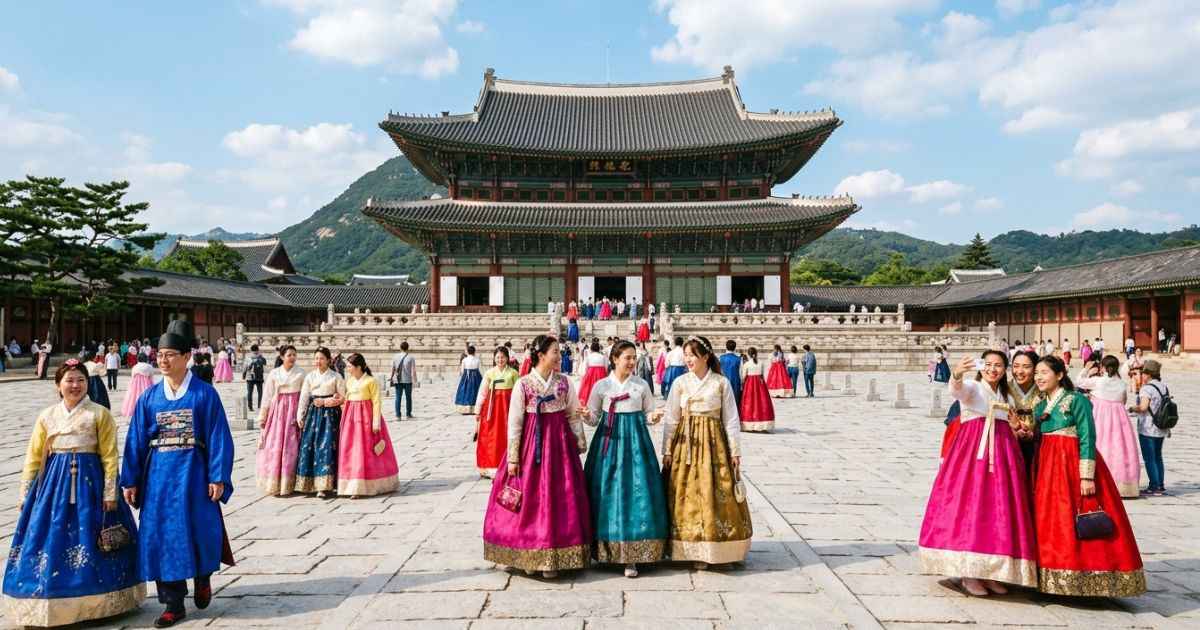
South Korea’s royal history centers around magnificent palaces built during the Joseon Dynasty. Gyeongbokgung is Seoul’s largest royal palace and one of its best-known historic attractions, featuring wide courtyards and grand throne halls. Changdeokgung is known for Huwon, its landscaped Rear Garden. Entry may require a separate ticket, guided tour or reservation, so check the official palace website before visiting. If you only have time for one, pick Gyeongbokgung, and make sure to catch the royal guard changing ceremony at the main gate. The Royal Guard Changing Ceremony is commonly scheduled twice daily, at 10:00 and 14:00, but confirm the current schedule because ceremonies may be cancelled or changed. Visitors wearing an eligible hanbok can receive free admission to Seoul’s four main palaces: Gyeongbokgung, Deoksugung, Changgyeonggung and Changdeokgung. The complete outfit must meet the official requirements; simply renting or partially wearing hanbok is not sufficient.
Walk Traditional Neighborhoods
Bukchon Hanok Village is a historic Seoul neighborhood known for traditional hanok houses winding up a hillside. Insadong is famous for antique shops, traditional tea houses, and art galleries. Ikseondong offers a trendier vibe with narrow alleys filled with small cafés and bakeries inside restored homes. Because people still live in these neighborhoods, keep your voice down and respect private property signs.
Eat, Shop, and Explore After Dark
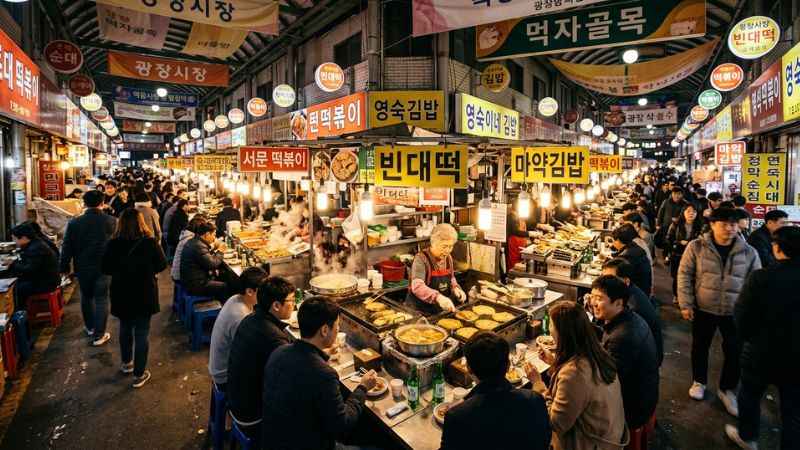
Seoul comes alive after the sun goes down with bustling markets and neon districts. Gwangjang Market is one of Seoul’s best-known places for traditional market food like mung bean pancakes and spicy rice cakes. Myeongdong is one of Seoul’s most popular areas for cosmetics shopping and street food stalls. Hongdae attracts a younger crowd with indie music, buskers, and lively nightlife.
The Best Things to Do in Busan
Busan is South Korea’s major southeastern port city, famous for its sweeping ocean views, sandy beaches, and fresh seafood.
| Busan Quick Guide | Details & Highlights |
| Haeundae Beach | Busan’s best-known urban beach and is popular during the designated beach season; check current swimming-area and operating information before going. |
| Gwangalli Beach | Best for night views and bridge lights. |
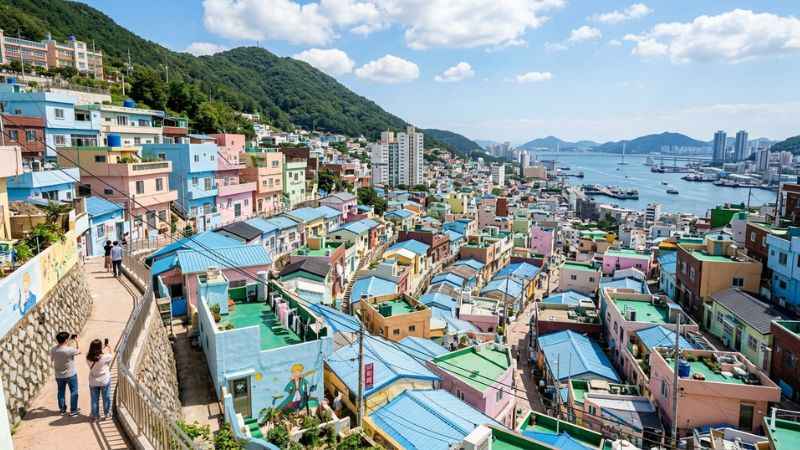
| Gamcheon Culture Village | Best for colorful art and photos. |
Visit Markets and Seafood Districts
Jagalchi Market is one of Korea’s largest and best-known seafood markets. Many vendors sell live and dried seafood, and some market restaurants prepare seafood purchased from vendors. Confirm the current purchasing and dining process on arrival. Gukje Market is known for a broad range of goods, while Bupyeong Kkangtong Market is particularly associated with food stalls and nighttime market activity. When ordering seafood, point to what you want and ask for prices clearly before sitting down.
The Best Things to Do on Jeju Island
Jeju Island is a volcanic island off South Korea’s southern coast. It offers stunning natural wonders, varying seasonal conditions, and unique local culture.
Hike, Walk, or View Volcanic Landscapes
Hallasan is a volcanic mountain and the highest peak in South Korea; tourism sources commonly describe it as a dormant volcano. Jeju has hundreds of volcanic cones known locally as oreums. Their trails range from easy walks to more demanding climbs. The Jeju Olle Trail is a network of walking routes around the island. Individual courses pass through combinations of coast, villages, farmland and forest, so choose a route based on scenery, distance and difficulty.
History Beyond Seoul: Gyeongju, Suwon, and Jeonju
Stepping outside the capital reveals centuries of rich history and architecture.
- Gyeongju: Often called a museum without walls, this ancient city was the capital of the Silla Kingdom. Visit central Gyeongju’s royal tombs and historic sites, then travel separately to Bulguksa Temple, located outside the central city area.
- Suwon Hwaseong Fortress: Suwon Hwaseong is in Suwon, Gyeonggi-do, south of central Seoul and accessible by public transport, featuring long walls that you can walk along for great city views.
- Jeonju Hanok Village: Jeonju Hanok Village contains around 700 traditional hanok buildings; some sources give a range of approximately 700–800, and the Hanok Village is a popular place to try it.
Nature and Outdoor Activities in Korea
South Korea is a mountainous country with extensive hiking areas and national parks.
Choose the Right National Park
Seoraksan National Park features sharp granite peaks and colorful autumn foliage. Bukhansan National Park spans areas of Seoul and neighboring Gyeonggi Province, making it accessible from the capital, offering a quick escape into nature with steep hiking trails. Naejangsan National Park is well known as an autumn foliage destination.
Korean Food and Everyday Experiences
Trying local food and daily customs is one of the best parts of any trip to Korea.
Foods to Try
- Korean Barbecue: Grilled pork belly or beef cooked right at your table.
- Bibimbap: A warm bowl of rice mixed with vegetables, meat, and chili paste.
- Kimchi: Kimchi is a broad family of fermented vegetable dishes, commonly served as a side dish in Korean meals. Napa-cabbage kimchi is one of the best-known varieties.
- Tteokbokki: Chewy rice cakes cooked in a sweet and spicy red sauce.
Experience Local Leisure Culture
A jjimjilbang is a Korean bathhouse and sauna complex that may include hot baths, themed heated rooms, relaxation areas and overnight facilities. Amenities vary by establishment. A noraebang is a private karaoke room where groups rent space by the hour to sing popular songs. Both are popular leisure experiences in Korea.
Best Day Trips from Seoul
| Day Trip | Best For | Approximate Commitment | Main Trade-Off |
| Suwon | History and architecture | Full day | Less traditional village feel |
| DMZ Area | Modern history | Full day | DMZ access is site-specific and may require an approved tour, advance booking, identification and compliance with security restrictions. Availability can change, so verify requirements with the current official operator or tourism authority. |
| Nami Island | Scenic photographs | Full day | Nami Island is a popular day-trip destination and may be busy during weekends, holidays and peak foliage periods. |
| Gangneung | Coast and cafés | Gangneung can work as a long day trip or overnight stay from Seoul; check current rail or bus schedules and allow for local travel within Gangneung. | Longer travel time |
Which Korea Itinerary Fits Your Trip?
- Five Days: Stay in Seoul and take one easy day trip to Suwon or Nami Island.
- Seven Days: A seven-day trip can combine Seoul and Busan, with KTX being one common intercity option; check current schedules and reserve seats when appropriate.
- Ten to Fourteen Days: Ten to fourteen days can accommodate Seoul, Gyeongju, Busan and Jeju for travelers comfortable with several transfers; a slower trip may be better with fewer bases.
Practical Tips Before Booking
- Transport: T-money cards are generally available and rechargeable at participating convenience stores nationwide, including chains such as GS25, CU and 7-Eleven; availability can vary by location. T-money can be used on participating public transport, including subways and buses, and at affiliated merchants displaying the relevant logo.
- Navigation: Naver Map and Kakao Map are useful options for Korean walking and transit information. Install at least one local map app and compare routes with current official transport information.
- Cash and Cards: International cards are widely accepted in many Korean businesses, but acceptance is not universal. Carry a backup payment method and some Korean won for markets, small vendors and transport-related situations.
- Official Resources: Check the official VISITKOREA website for up-to-date travel notices and festival schedules.
Common Korea Travel Mistakes
- Do not overpack your schedule: Moving hotels every single night will exhaust you quickly.
- Do not rely on Google Maps: Use local apps for transit routing.
- Do not ignore local etiquette: Keep your voice down on public transit and respect residential areas.
- Do not skip weather backups: Always have indoor activities planned in case of sudden rain.
FAQ: Things to Do in Korea
What are the best things to do in South Korea?
Top experiences include exploring Seoul’s royal palaces, tasting street food at traditional markets, hiking scenic mountain trails, and relaxing on the beaches of Busan and Jeju Island.
How many days do you need in Korea?
Seven days gives you enough time to see Seoul and Busan, while ten to fourteen days allows you to add Gyeongju and Jeju Island without rushing.
What should first-time visitors do in Korea?
First-time visitors should tour Gyeongbokgung Palace, wear a hanbok, take a KTX high-speed train between major cities, if it fits your route, and explore local food markets.
Is Seoul or Busan better?
Seoul offers massive city energy, deep history, and endless shopping, while Busan provides a relaxed coastal atmosphere with great beaches and seafood.
What are unique things to do in Korea?
Unique activities include staying overnight in a traditional hanok, visiting a jjimjilbang bathhouse, and a DMZ-area tour can be a distinctive history-focused experience, subject to current security rules, tour availability and access restrictions.
What are the best free things to do?
You can walk along the Cheonggyecheon stream, hike Bukhansan National Park, explore traditional neighborhoods, and visit public parks without spending money. These places generally have no standard admission fee, although transport, food, rentals, special programs and some nearby attractions cost extra.
Update Note and Sources
Consult VISITKOREA, Visit Seoul, and official transport authorities before finalizing your plans.
You May Also Like:
Things to Do in Taiwan: Experiences, Places, and Itinerary Ideas
Best Things to Do in Tokyo: 25 Experiences for First-Time Visitors