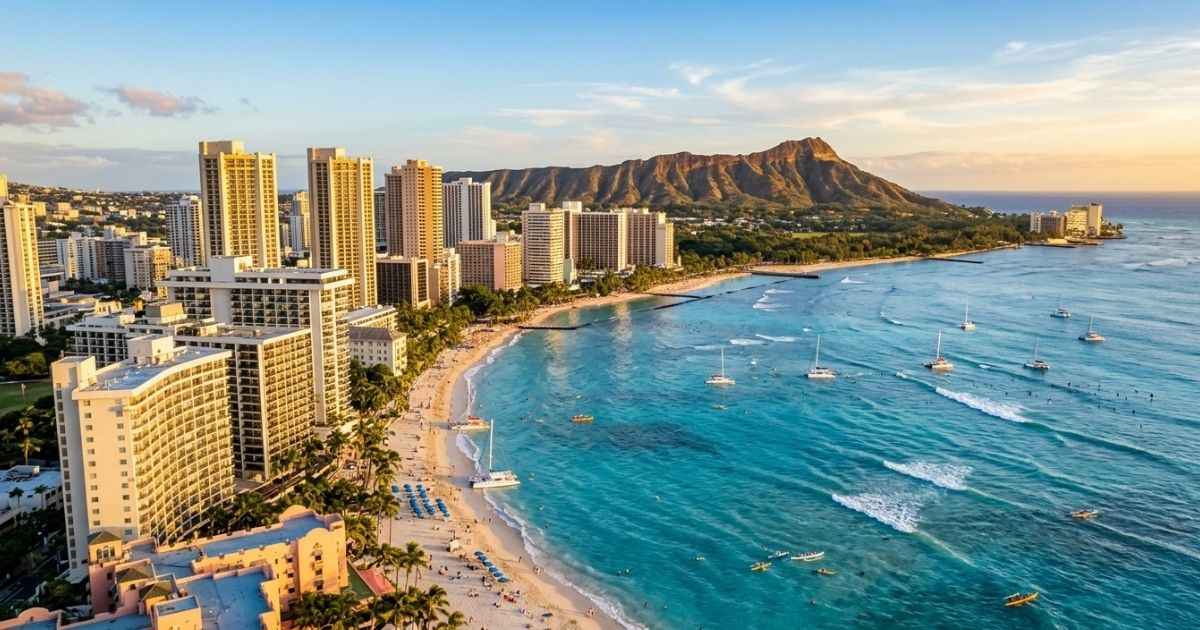
The best things to do on Oʻahu range from swimming in the turquoise waters of Waikīkī Beach to hiking the historic trails of Diamond Head. Planning a trip to Hawaii requires smart geographic grouping and advance reservations for key sites like Pearl Harbor and Hanauma Bay. This guide helps you build a realistic itinerary based on your travel style, budget, and the time of year you visit.
The 10 Oʻahu Experiences First-Time Visitors Should Prioritize
The best things to do on Oʻahu are rooted in iconic landscapes, historic landmarks, and rich local traditions that define the island.
- Spend time on Waikīkī Beach for classic swimming and historic surf culture.
- Hike Diamond Head for panoramic views of Honolulu.
- Visit the Pearl Harbor National Memorial and the USS Arizona Memorial.
- Snorkel the protected waters of Hanauma Bay Nature Preserve.
- Explore the dramatic valley landscapes at Kualoa Ranch.
- Drive the North Shore to see legendary surf breaks and food trucks.
- Relax on the powdery white sand of Lanikai Beach in Kailua.
- Discover Hawaiian history at ʻIolani Palace and the Bishop Museum.
- Take a beginner surf lesson in the warm waters off Waikīkī.
- Watch the golden sunset from the deck of a catamaran sailboat.
Spend Time in Waikīkī
Waikīkī Beach serves as the energetic heart of Honolulu and the starting point for most first-time visitors. The calm, man-made shoreline offers safe swimming conditions and easy access to surf schools. You can walk along Kalakaua Avenue for dining, shopping, and street performances.
Hike Diamond Head
Diamond Head is a volcanic tuff cone rising above the Pacific Ocean near the edge of Waikīkī. A 1.6-mile round-trip trail leads hikers up steep staircases and through a historic military tunnel to a viewing platform. Nonresident visitors must secure a timed entry pass in advance through the Hawaiʻi State Parks reservation portal.
Visit Pearl Harbor
The Pearl Harbor National Memorial preserves the site of the December 7, 1941 attack that brought the United States into World War II. Visitors can explore free museum exhibits and walk through the outdoor display areas. The boat program to the sunken USS Arizona Memorial requires a timed ticket booked ahead on Recreation.gov.
Snorkel Hanauma Bay
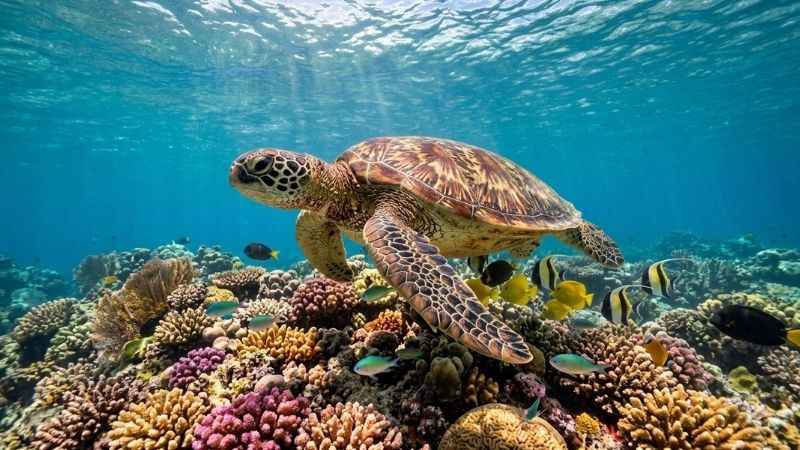
Hanauma Bay Nature Preserve sits inside a volcanic crater filled with clear water and vibrant coral reefs. The protected marine ecosystem hosts hundreds of species of colorful reef fish and green sea turtles. Access is managed through a strict reservation system, and the bay closes to the public on Mondays and Tuesdays.
Explore Kualoa Ranch
Kualoa Ranch is a private nature reserve nestled against the steep green cliffs of Oʻahu’s Windward Coast. The scenic valley has served as the filming location for dozens of Hollywood movies and television shows. Guided tours include ATV rides, movie site bus tours, and ziplining adventures.
Build a North Shore Day
The North Shore of Oʻahu is famous for its relaxed surf towns like Haleʻiwa and legendary winter waves at Banzai Pipeline and Sunset Beach. Visitors can sample fresh garlic shrimp from local food trucks and watch professional surfers tackle massive swells during the winter months.
Choose Kailua or Lanikai for a Beach Day
The Windward Coast features some of the most scenic beaches in the Hawaiian Islands. Lanikai Beach offers calm, turquoise water and fine white sand framed by the twin Mokulua Islands. Parking is limited in the residential neighborhood, so visitors should plan for early arrival or street parking restrictions.
Explore Honolulu History
ʻIolani Palace in downtown Honolulu is the only official royal palace on United States soil. Visitors can tour the restored throne rooms and learn about the Hawaiian monarchy. The Bishop Museum nearby houses the largest collection of Hawaiian cultural artifacts and natural history exhibits.
Take a Surf Lesson
Waikīkī is one of the best places in the world to learn how to surf due to its long, gentle, rolling waves. Local instructors provide board rentals and push beginners into small waves right off the shore. Outrigger canoe rides offer another classic Hawaiian water experience for groups and families.
Watch the Sunset from the Water
Catamaran sails depart daily from the shores of Waikīkī to give visitors a clear view of the coastline at dusk. Sailing past Diamond Head as the sun dips below the horizon offers a memorable perspective of the island. These tours typically last one to two hours and include local beverages.
| Experience | Ideal Traveler | Time Required | Book Ahead? | Car Needed? | Cost Band |
| Waikīkī Beach | First-timers, swimmers | 2–4 hours | No | No | Free |
| Diamond Head | Active visitors, hikers | 1.5–2 hours | Yes | Optional | Low |
| Pearl Harbor | History enthusiasts | 3–5 hours | Yes | Optional | Free ($1 ticket fee) |
| Hanauma Bay | Snorkelers, families | Half day | Yes | Yes | Low |
| Kualoa Ranch | Movie fans, adventurers | Half day | Yes | Yes | Premium |
| North Shore | Surf fans, road trippers | Full day | No | Yes | Moderate |
Choose the Best Oʻahu Activities for Your Trip Style
| Traveler Type | Best-Fit Experiences | What to Avoid / Reconsider |
| First-timers | Waikīkī, Diamond Head, Pearl Harbor, Windward Coast | Trying to drive around the entire island in one day |
| Families | Calm beach lagoons, Honolulu Zoo, Kualoa Ranch | Dangerous winter surf beaches on the North Shore |
| Couples | Catamaran sails, scenic drives, upscale dining | Overpacking every single day with scheduled tours |
| Active travelers | Ridge hikes, surf lessons, snorkeling coves | Treating ocean conditions as completely predictable |
| Budget travelers | Public beach parks, scenic lookouts, self-guided walks | Booking multiple expensive guided excursions |
| No-car visitors | Waikīkī walks, city history tours, guided boat trips | North Shore day trips without organized transportation |
Best Things to Do on Oʻahu with Kids
Oʻahu is the most family-friendly Hawaiian island due to its calm beach waters, accessible infrastructure, and diverse attractions. The protected lagoons at Ko Olina offer gentle swimming areas for toddlers. The Honolulu Zoo and Waikīkī Aquarium sit right next to the park spaces in Waikīkī for easy afternoon visits.
Romantic Things to Do on Oʻahu for Couples
Couples visiting the island can enjoy scenic coastal drives along the East Oʻahu shoreline and sunset dinners in Waikīkī. A private outrigger canoe ride or a quiet morning walk along the quieter stretches of Waimānalo Beach offers a peaceful escape. The botanical gardens provide lush, shaded pathways away from the resort crowds.
Free and Low-Cost Things to Do on Oʻahu
Travelers on a budget can enjoy world-class public beaches, scenic lookouts, and historic walking tours without spending money. The Nuʻuanu Pali Lookout provides sweeping views of the Windward Coast for a small parking fee. Walking through Chinatown and viewing public art in Kakaʻako costs nothing and reveals local culture.
Unique Things to Do on Oʻahu Beyond the Standard List
Visitors looking to escape standard tourist stops can explore the shaded trails of the Byodo-In Temple replica nestled in the Koʻolau mountains. Local farmers markets in Haleʻiwa and Kapiʻolani Community College offer regional produce and snacks. Exploring the tide pools along the southern coast provides a look at native marine life.
Best Oʻahu Activities Without a Rental Car
Visitors staying in Waikīkī can easily fill several days without renting a car by using public buses, rideshares, and walking paths. The Honolulu transit system provides direct routes to Diamond Head, downtown historic sites, and Ala Moana Center. Guided tour operators also offer round-trip transportation from Waikīkī hotels to attractions like Pearl Harbor and the North Shore.
Best Things to Do on Oʻahu by Region
Grouping your daily activities by geographic region prevents long hours stuck in cross-island traffic.
Waikīkī and Honolulu
Honolulu combines urban convenience with tropical beachfront access. Visitors can spend mornings swimming at Ala Moana Beach Park and afternoons exploring the street art in Kakaʻako. Historic sites in downtown Honolulu, including ʻIolani Palace and the Hawaii State Capitol, sit close to Chinatown dining spots.
South and East Oʻahu
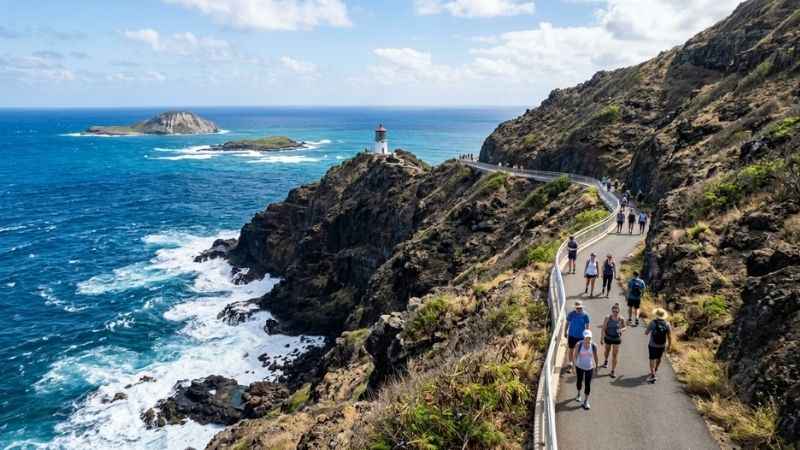
The southeastern coastline features dramatic volcanic lookouts and sheltered swimming coves. The Makapuʻu Point Lighthouse Trail offers a paved, family-friendly walk above deep blue waters where whales can sometimes be seen in winter. The Halona Blowhole lookout gives visitors a look at volcanic rock formations forcing pressurized ocean water into the air.
Windward Coast
The Windward Coast is characterized by jagged green mountains and lush rainforest valleys. Hoʻomaluhia Botanical Garden provides miles of walking paths surrounded by native plants and a scenic fishing lake. The coastal route connects Kailua town with quiet beach parks and local dining spots.
North Shore
The North Shore delivers a distinct rural atmosphere centered around surf culture and agriculture. Haleʻiwa town features historic wooden storefronts, local art galleries, and famous shave ice stands. Visitors can explore Waimea Valley to see botanical gardens and a swimmable waterfall at the trail’s end.
Central and West Oʻahu
Central Oʻahu features agricultural fields, historic plantation towns, and the Dole Plantation visitor center. The western coast of the island houses the Ko Olina resort area and its four man-made ocean lagoons. These western beaches provide calm water for families and clear views of the evening sunset.
| Region | Best For | Recommended Time | Transport Note |
| Waikīkī & Honolulu | Dining, shopping, beaches | 2–3 days | Highly walkable / bus-friendly |
| South & East | Lookouts, coastal hikes | 1 full day | Rental car or tour recommended |
| Windward Coast | Scenic valleys, quiet beaches | 1 full day | Rental car recommended |
| North Shore | Surf culture, shrimp trucks | 1 full day | Rental car necessary |
| Central & West | Calm lagoons, agriculture | 1 day or afternoon | Rental car necessary |
Oʻahu Beaches and Snorkeling: Pick by Conditions, Not Popularity
Oʻahu’s ocean conditions change dramatically based on the coast and the season. Choosing the right beach requires matching your swimming skill level with current water safety reports.
| Beach / Area | Best For | Typical Skill Level | Best Season / Conditions | Facilities | Car Needed? |
| Waikīkī Beach | Swimming, surf lessons | Beginner | Year-round calm | Restrooms, showers | No |
| Lanikai Beach | Swimming, scenery | Intermediate | Summer calm | None (street parking) | Yes |
| Hanauma Bay | Snorkeling, fish viewing | Beginner | Wed–Sun (calm water) | Restrooms, rentals | Yes |
| Waimea Bay | Summer swim / Winter surf | Confident / Expert | Summer (swim) / Winter (surf) | Restrooms, showers | Yes |
| Shark’s Cove | Rocky reef snorkeling | Intermediate | Summer months only | Restrooms nearby | Yes |
| Ala Moana | Families, calm paddling | Beginner | Year-round calm | Restrooms, picnic tables | Optional |
Hanauma Bay
Hanauma Bay requires advance reservations and an orientation video before entry to protect the fragile marine ecosystem. The protected bay provides a safe environment for first-time snorkelers to view coral reef fish. Visitors must check official schedules since the nature preserve closes to the public on Mondays and Tuesdays.
Shark’s Cove and North Shore Snorkeling
Shark’s Cove on the North Shore features tide pools and lava rock formations filled with marine life during the calm summer months. During the winter, large ocean swells make swimming in this area extremely dangerous. Snorkelers must monitor local surf reports and avoid entering the water when high waves break over the reef shelf.
Turtle Canyon and Guided Turtle Snorkeling
Turtle Canyon is an offshore reef area near Waikīkī where green sea turtles congregate to have algae cleaned from their shells by reef fish. Boat tours depart daily from Kewalo Basin Harbor to take visitors out to view the turtles. Wildlife viewing guidelines require keeping a respectful distance and avoiding any physical contact with the animals.
Ocean-Safety Checklist
- Check lifeguard station boards daily for high surf, wind, and strong current warnings.
- Never turn your back on the open ocean when walking along rocky coastal ledges.
- Avoid entering unfamiliar water alone or during periods of high surf.
- Treat winter North Shore water conditions as hazardous for casual swimming.
- Maintain a distance of at least ten feet from resting sea turtles and at least fifty feet from Hawaiian monk seals.
- Apply only reef-safe sunscreen to protect marine life from harmful chemical ingredients.
Oʻahu Hikes, Lookouts, and Rainforest Experiences
Oʻahu offers diverse hiking trails ranging from paved coastal paths to muddy rainforest tracks.
Diamond Head
The Diamond Head trail climbs 560 feet from the crater floor to the summit lookout. The path includes paved walkways, uneven stone steps, and a dimly lit historic military tunnel. Visitors should start early in the morning to avoid midday heat and direct sun exposure.
Makapuʻu Point Lighthouse Trail
The Makapuʻu Point trail is a fully paved two-mile round-trip walk along the southeastern tip of the island. The gradual incline leads to sweeping ocean views and a historic red-roofed lighthouse perched on the cliffs below. The trail offers little shade, so sunscreen and water are essential.
Mānoa Falls
The Mānoa Falls trail leads hikers 1.6 miles round-trip through a dense bamboo forest and ginger groves to a 150-foot waterfall. The path can become very muddy and slick after tropical rain showers. Sturdy footwear with good traction is recommended for all hikers on this trail.
Kāʻena Point
Kāʻena Point is a remote coastal wilderness area where the rugged northwestern tip of the island meets the sea. The unpaved walking trail follows old railroad tracks past tide pools and nesting seabird sanctuaries. The hot, exposed route requires plenty of drinking water and sun protection.
Hoʻomaluhia Botanical Garden
Hoʻomaluhia Botanical Garden offers paved, gentle walking paths around a large lake set against towering mountain cliffs. The garden is free to enter and provides a peaceful alternative to strenuous mountain hikes. Visitors can drive through the scenic entrance and stop at designated parking areas to explore specific plant collections from around the world.
| Trail Name | Distance | Difficulty | Shade Level | Reservation Needed? |
| Diamond Head | 1.6 miles | Moderate | Low | Yes (Nonresidents) |
| Makapuʻu Point | 2.0 miles | Easy | None | No |
| Mānoa Falls | 1.6 miles | Moderate | High | No |
| Kāʻena Point | 5.0 miles | Moderate | None | No |
| Hoʻomaluhia Garden | Varies | Easy | High | No |
Hawaiian History, Culture, and Food Experiences Worth Making Time For
Pearl Harbor History
A respectful visit to Pearl Harbor involves exploring both the free museum galleries and the memorial programs. Visitors must pass through security screening and follow baggage storage rules at the visitor center. Securing advance tickets for the USS Arizona Memorial ensures entry to the program without long standby waits.
Native Hawaiian History in Honolulu
Honolulu preserves the deep cultural heritage of the Hawaiian kingdom through restored historic sites and museums. ʻIolani Palace displays the opulent lifestyle and political history of the island’s royal rulers. The Bishop Museum serves as the premier institution for preserving Polynesian artifacts, oral histories, and scientific collections.
How to Choose a Luau Thoughtfully
A traditional Hawaiian luau combines a music and dance performance with a buffet dinner featuring island dishes. Different venues focus on different aspects, ranging from large entertainment spectacles to intimate cultural storytelling experiences. Booking one to two weeks in advance during peak travel seasons is necessary to secure preferred seating.
Where to Experience Oʻahu Food
Oʻahu’s culinary scene blends traditional island flavors with global culinary influences. Haleʻiwa on the North Shore is famous for roadside trucks serving garlic shrimp plates. Local neighborhood spots in Honolulu serve fresh poke bowls, sweet malasadas, and refreshing shave ice.
What to Book Before You Arrive on Oʻahu
| Activity | Why Book Ahead | Typical Lead Time | Official Source |
| Diamond Head | Timed nonresident entry capacity | Up to 30 days ahead | Hawaiʻi State Parks |
| USS Arizona Memorial | Timed program capacity limits | 56 days (or 1 day prior) | Recreation.gov |
| Hanauma Bay | Controlled daily visitor caps | 48 hours ahead | City & County of Honolulu |
| Kualoa Ranch Tours | High demand during peak seasons | Weeks ahead | Official operator site |
| Popular Luaus | Limited seating and transport slots | 1–2 weeks ahead | Official operator site |
The Smartest Order to Book an Oʻahu Trip
- Fix your travel dates and secure your hotel or vacation rental.
- Reserve capacity-controlled experiences like Diamond Head and Pearl Harbor immediately.
- Book your rental car dates based on your regional itinerary plans.
- Schedule one paid anchor activity or tour per full day.
- Keep flexible days open for beach exploration and weather adjustments.
How Many Days Do You Need on Oʻahu?
If You Have 3 Days on Oʻahu
A three-day trip requires focusing strictly on the highlights without trying to see the entire island. Spend Day 1 exploring Waikīkī and hiking Diamond Head. Dedicate Day 2 to Pearl Harbor and downtown Honolulu history. Spend Day 3 on a road trip to the North Shore.
If You Have 5 Days on Oʻahu
Five days allows you to expand your itinerary beyond the main city center. Follow the three-day plan, then add a Windward Coast day on Day 4 to explore Lanikai Beach and Kualoa Ranch. Dedicate Day 5 to snorkeling at Hanauma Bay and driving the scenic southeastern coastline.
If You Have 7 Days on Oʻahu
Seven days provides an ideal, relaxed pace for a first-time visitor. Follow the five-day plan, then use Day 6 for a cultural immersion experience such as the Polynesian Cultural Center or Bishop Museum. Reserve Day 7 as a flexible rest day to revisit your favorite beach or explore western Oʻahu.
Common Oʻahu Planning Mistakes—and Better Alternatives
- Trying to drive the whole island in one day: Oʻahu has heavy traffic and winding roads; grouping activities by region is much more efficient.
- Skipping reservation checks: Showing up to Diamond Head or Hanauma Bay without a pre-booked pass will lead to being turned away at the gate.
- Treating every beach as safe for swimming: Winter surf on the North Shore creates dangerous rip currents; check local reports before entering the water.
- Overpaying for every tour: Mix free beach days and self-guided hikes with one or two paid excursions for a balanced budget.
- Chasing wildlife too closely: Always maintain a legal and respectful distance from resting sea turtles and monk seals.
Frequently Asked Questions About Things to Do on Oʻahu
What should you not miss on Oʻahu?
First-time visitors should not miss the historic USS Arizona Memorial at Pearl Harbor, the scenic views from Diamond Head, and the relaxed surf towns along the North Shore. These iconic sites capture the historical and natural core of the island.
How many days are enough for Oʻahu?
Five to seven days is the ideal amount of time for a first visit to Oʻahu. This duration allows you to explore multiple regions, enjoy beach downtime, and accommodate weather shifts without feeling rushed.
Do you need a rental car on Oʻahu?
You need a rental car if you plan to explore the North Shore, Windward Coast, or Ko Olina lagoons. However, if you stay in Waikīkī and focus on city dining, Diamond Head, and Pearl Harbor, you can rely on public transit and rideshares.
What must be booked in advance on Oʻahu?
Nonresident visitors must book advance timed entry passes for Diamond Head, Hanauma Bay, and the USS Arizona Memorial at Pearl Harbor. Popular outdoor excursions like Kualoa Ranch tours and evening luaus also require booking ahead.
What are the best free things to do on Oʻahu?
Enjoying world-class public beaches like Waikīkī and Kailua, walking the historic Honolulu downtown district, watching North Shore surf breaks, and hiking scenic routes like the Makapuʻu Lighthouse Trail are entirely free.
What are the best Oʻahu activities for families?
Families enjoy the calm, protected swimming lagoons at Ko Olina, the interactive exhibits at the Honolulu Zoo, and the gentle waves along Waikīkī Beach. These areas offer easy facilities, restrooms, and accessible parking.
Is Oʻahu better in summer or winter?
Summer offers calm water and excellent snorkeling conditions across all coasts, including the North Shore. Winter brings massive surf to the northern beaches and cooler evening temperatures, making it ideal for whale watching.
What is the best beach on Oʻahu for swimming?
Waikīkī Beach and Ala Moana Beach Park provide the safest year-round swimming conditions due to offshore reef protection. On the Windward Coast, Kailua Beach offers calm water and broad sandy shores.
Can beginners snorkel on Oʻahu?
Beginners can safely snorkel in protected environments like Hanauma Bay and Turtle Canyon. These calm areas feature clear water and abundant reef fish without strong open-ocean currents.
What can you do on Oʻahu when it rains?
Rainy days are ideal for visiting indoor cultural sites like ʻIolani Palace, the Bishop Museum, or exploring the large collection of shops at Ala Moana Center. Rain showers on Oʻahu are often brief and pass quickly.
You May Also Like:
25 Best Things to Do in St. George, Utah: A Practical Guide for Every Trip
Things to Do in Waikiki: The Complete 2026 Guide