Yellowstone National Park spans over two million acres across Wyoming, Montana, and Idaho. Planning a trip here can feel overwhelming because the park is massive and packed with diverse wonders. Things to do in Yellowstone range from watching erupting geysers to spotting wolves in wide-open valleys. This guide helps you navigate the park, set realistic time budgets, and prioritize what matters most.
Top 5 Must-See Things in Yellowstone (For First-Timers)
Top 5 Attractions Overview
- Old Faithful and Upper Geyser Basin: 1 to 2 hours
- Grand Prismatic Spring: 45 minutes to 1.5 hours
- Grand Canyon of the Yellowstone: 2 to 3 hours
- Lamar or Hayden Valley: 2 to 4 hours
- Mammoth Hot Springs: 1 to 2 hours
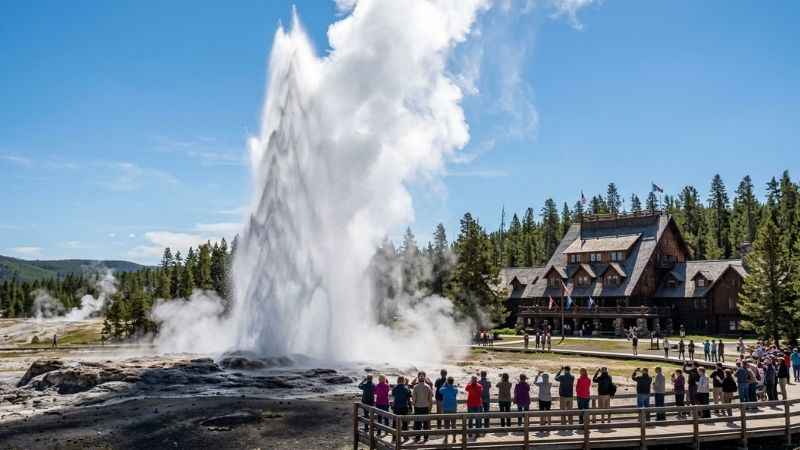
Old Faithful and the Upper Geyser Basin anchor every first-time itinerary. This area features the highest concentration of active geysers in the world. Arrive 20 to 30 minutes before the predicted eruption window to secure a good spot on the wooden boardwalks.
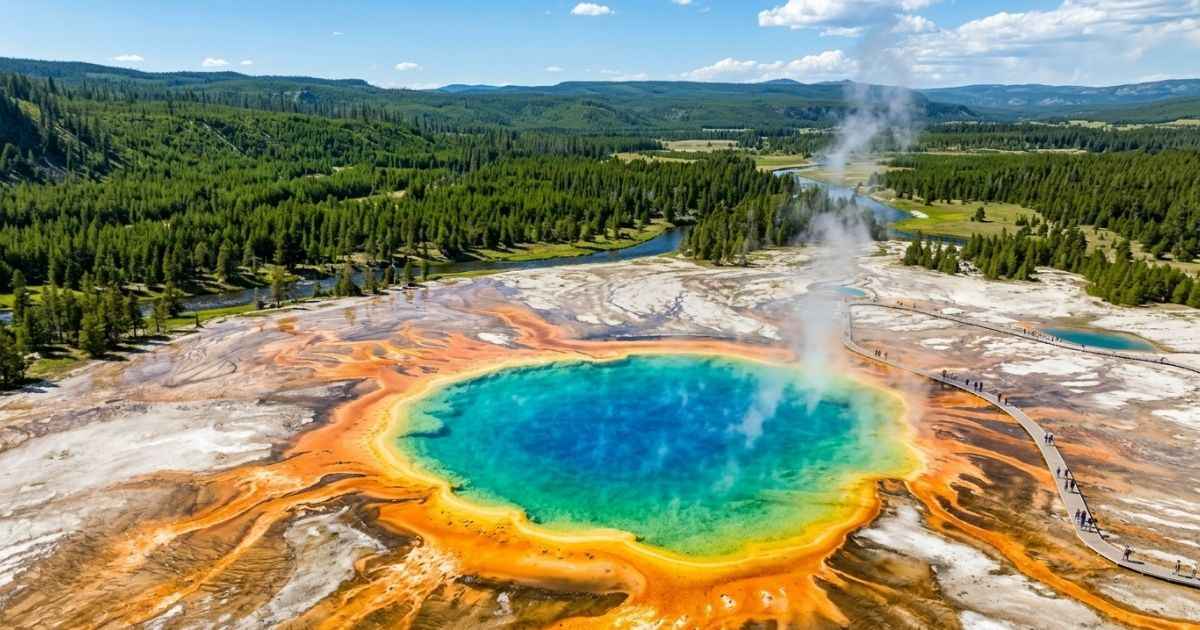
Grand Prismatic Spring displays brilliant bands of blue, green, and orange. You can view it up close from the boardwalk or hike up to the nearby overlook trail for a stunning aerial view.
The Grand Canyon of the Yellowstone showcases a massive yellow-hued chasm carved by the Yellowstone River. Artist Point offers the classic postcard view of the Lower Falls plunging 308 feet into the canyon below.
Lamar Valley and Hayden Valley serve as the best places to watch wildlife. Lamar Valley sits in the northern section and draws visitors hoping to spot bison, elk, and wild wolves at dawn or dusk.
Mammoth Hot Springs features travertine terraces formed by hot water cooling and depositing limestone over hundreds of years. The formations change shape constantly as water shifts across the hillside.
How Many Days Do You Need in Yellowstone?
Deciding how long to stay depends on your travel goals and how much driving you want to do each day. The park roads form a giant figure-eight loop called the Grand Loop Road.
| Trip Duration | Recommended Focus | Best For |
| 1 Day | Old Faithful, Grand Prismatic, Canyon | Road trippers with strict schedules |
| 3 Days | Geysers, Canyon, Lake, Wildlife Valleys, Mammoth | First-time visitors wanting a balanced view |
| 5+ Days | Backcountry trails, deep valley explorations, quiet basins | Photographers, hikers, and nature lovers |
1 Day in Yellowstone
One day requires using a single park entrance, such as the West Entrance, to minimize long drive times. Focus entirely on the lower loop to see Old Faithful, Grand Prismatic Spring, and the Grand Canyon of the Yellowstone. Expect heavy traffic and limited time for stops.
3 Days in Yellowstone
Three days offers the ideal minimum time to see the park without rushing. Spend Day 1 exploring the geyser basins and Old Faithful. Dedicate Day 2 to the Grand Canyon of the Yellowstone and Yellowstone Lake. Use Day 3 to drive north toward Mammoth Hot Springs and search for wildlife in Lamar Valley.
5+ Days in Yellowstone
Five days or more allows you to slow down and explore remote areas. You can hike up Mount Washburn, track wolves in Lamar Valley for hours, and visit lesser-known geothermal spots like Norris Geyser Basin.
Yellowstone Activities by Category
Geothermal Features
Old Faithful erupts roughly every 90 minutes, shooting boiling water up to 180 feet into the air. Check the official National Park Service prediction boards or app before you go. Norris Geyser Basin stands out as the hottest and most volatile thermal area in the park. Biscuit Basin and West Thumb Geyser Basin offer shorter, quieter walks away from the biggest crowds.
Wildlife Watching
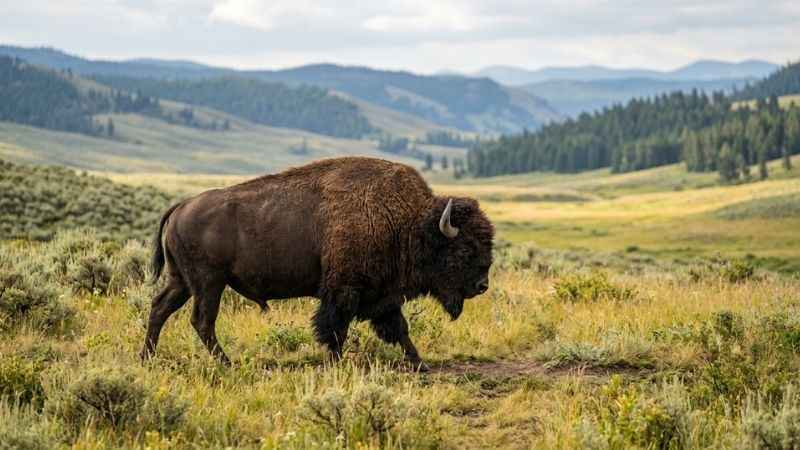
Lamar Valley earns the nickname “America’s Serengeti” because large herds of bison and pronghorn roam freely here. Hayden Valley provides easier roadside access to massive bison herds and the occasional grizzly bear. Early morning and late evening hours offer the highest chance of seeing active animals.
Hiking Trails
Short walks like the Upper Geyser Basin boardwalk provide easy access for all visitors. Moderate hikes like the Fairy Falls trail lead you to the Grand Prismatic Overlook. Strenuous climbs like Bunsen Peak reward hikers with panoramic views of the surrounding mountains and valleys.
Scenic Drives and Viewpoints
Driving the 140-mile Grand Loop Road connects every major region of the park. The Blacktail Plateau Drive takes you on a quiet, six-mile dirt road where elk frequently graze. Artist Point and Lake Butte Overlook deliver some of the best landscape photography angles without requiring a strenuous hike.
Water Activities
Yellowstone Lake allows boating and kayaking during the summer months. Anglers can fish for native cutthroat trout in the lake and rivers with a valid park fishing permit. Whitewater rafting takes place on rivers just outside the park boundaries.
Ranger Programs and Visitor Centers
The Old Faithful Visitor Center provides detailed exhibits on geothermal science and live eruption schedules. Canyon Visitor Center focuses on the volcanic history that created the massive caldera. Evening ranger talks at park campgrounds offer fun educational programs for families.
Guided Tours and Special Experiences
Winter visitors can book guided snowcoach tours to travel across snow-covered park roads. Local experts lead specialized wolf-tracking excursions in Lamar Valley during early mornings. Horseback riding outfitters operate just outside the gateway towns.
Yellowstone Safety: What You Must Know Before You Go
Wildlife Safety Rules
Federal law requires visitors to stay at least 25 yards away from bison, elk, and deer. You must maintain a distance of at least 100 yards from bears and wolves. If an animal approaches you, back away slowly without running. Always carry EPA-approved bear spray and know how to use it before hitting the trails. Recent visitor incidents highlight the danger of approaching wild animals too closely for photos.
Geothermal Safety
Ground crust around thermal features is thin, fragile, and sits directly above scalding water. Stay strictly on designated boardwalks and paths at all times. Never touch hot springs, mudpots, or runoff streams. Supervise children closely to prevent accidental burns or worse injuries.
Weather and Altitude
Park elevations range from 6,000 to 11,000 feet above sea level. Drink plenty of water to prevent altitude sickness and sun-related exhaustion. Weather changes rapidly, and afternoon thunderstorms bring sudden drops in temperature. Pack layers, rain gear, and sunscreen for every outing.
Planning Your Trip: Fees, Lodging, and Timing
Entrance Fees and Passes
A standard vehicle entrance pass costs $35 and covers entry for seven consecutive days. A $100 non-resident surcharge applies to international visitors aged 16 and older. The America the Beautiful annual pass costs $80 for residents and $250 for non-residents. This annual pass pays for itself if you plan to visit three or more national parks within a single year.
Where to Stay: Lodging and Camping
In-park lodges like the historic Old Faithful Inn book up six to twelve months in advance. Yellowstone National Park Lodges manages these properties inside park boundaries. The park features eleven developed campgrounds (with some closed in 2026), with six operated by the NPS reservable through recreation.gov and five operated by the concessioner booked separately. Gateway towns like West Yellowstone, Gardiner, and Cody offer additional hotels, restaurants, and rental options.
Best Time to Visit
May through October provides full road access and open facilities for summer travelers. July brings the bison mating season, known as the rut, which creates high wildlife activity. Winter brings heavy snow and road closures, limiting travel to snowcoaches and guided vehicles. September offers smaller crowds, cooler weather, and vibrant autumn colors.
Common Mistakes to Avoid in Yellowstone
- Underestimating drive times between attractions because distances look short on maps
- Failing to book lodging, rental cars, and campsites six to twelve months early
- Ignoring geyser prediction times and wasting hours waiting at empty vents
- Breaking federal wildlife distance rules to snap a closer photograph
- Stepping off wooden boardwalks near boiling thermal pools
- Visiting in spring or late autumn without checking daily road opening status
FAQ: Quick Answers to Your Yellowstone Questions
Does Old Faithful smell?
Yes, Old Faithful and other geothermal areas emit a distinct sulfur or rotten-egg smell. This occurs naturally due to gases escaping from deep underground volcanic activity.
Can you drink the water in Yellowstone?
No, untreated natural water in the park contains harmful bacteria, parasites, and minerals. Bring your own drinking water or refill reusable bottles at visitor centers.
Are there showers in Yellowstone campgrounds?
Some larger campgrounds and lodging areas feature public shower facilities for registered guests. Most primitive campgrounds do not offer showers, so plan accordingly.
Is Yellowstone worth it?
Yes, Yellowstone stands out as a world-class destination unlike anywhere else on Earth. It offers a rare combination of active supervolcano features, abundant wildlife, and dramatic canyons.
Can you see wolves in Yellowstone?
Yes, Lamar Valley serves as the premier location for spotting wild wolves. Bring binoculars or a spotting scope and look out near dawn or dusk.
What is the $100 fee for Yellowstone?
The $100 fee represents a non-resident surcharge applied to international visitors aged 16 and older. It helps fund park maintenance and conservation projects.
Next Action
Check the official National Park Service website right now to review current road closures and book your campground or lodge reservations early.
You May Also like:
The Ultimate Guide to the Best Things to Do in Kona, Hawaii
Things to Do in Waikiki: The Complete 2026 Guide