Planning a trip to the land of fire and ice starts with knowing the absolute best things to do in Iceland. This local-approved guide covers iconic bucket-list sights, realistic itineraries from 3 to 10 days, 2026 spa and tour costs, and vital safety rules.
Here are the top things to do in Iceland for first-time visitors:
- Tour the Golden Circle to see geysers, massive waterfalls, and tectonic plates.
- Walk behind Seljalandsfoss and stand near the black sand beaches of the South Coast.
- Watch floating icebergs drift out to sea at Jökulsárlón Glacier Lagoon.
- Soak in geothermal waters at the Blue Lagoon or Sky Lagoon.
- Hunt for the Northern Lights in winter or enjoy the endless daylight of the summer midnight sun.
- Book a guided glacier hike or explore a natural ice cave.
The best time to visit depends entirely on your goals. Summer brings 24 hours of daylight and open Highland roads, while September through March offers prime darkness for hunting the Northern Lights.
The Must-Do Experiences in Iceland (and Why They’re Worth It)
Golden Circle in a Day (Þingvellir, Geysir, Gullfoss)
The Golden Circle is a ~230–250 km loop from Reykjavík that packs Iceland’s most famous natural wonders into a single day. You should visit Þingvellir National Park first, where you can walk in a deep valley directly between the North American and Eurasian tectonic plates. Next, head to the Haukadalur geothermal valley to watch Strokkur erupts reliably about every 4–10 minutes, shooting boiling water high into the air. Finish your loop at Gullfoss, a massive two-tiered waterfall that plunges into a rugged canyon. Entering these sites is free, but expect parking fees at Þingvellir and the Geysir area (≈1,000 ISK), while Gullfoss parking remains free.
South Coast Waterfalls and Black Sand Beaches
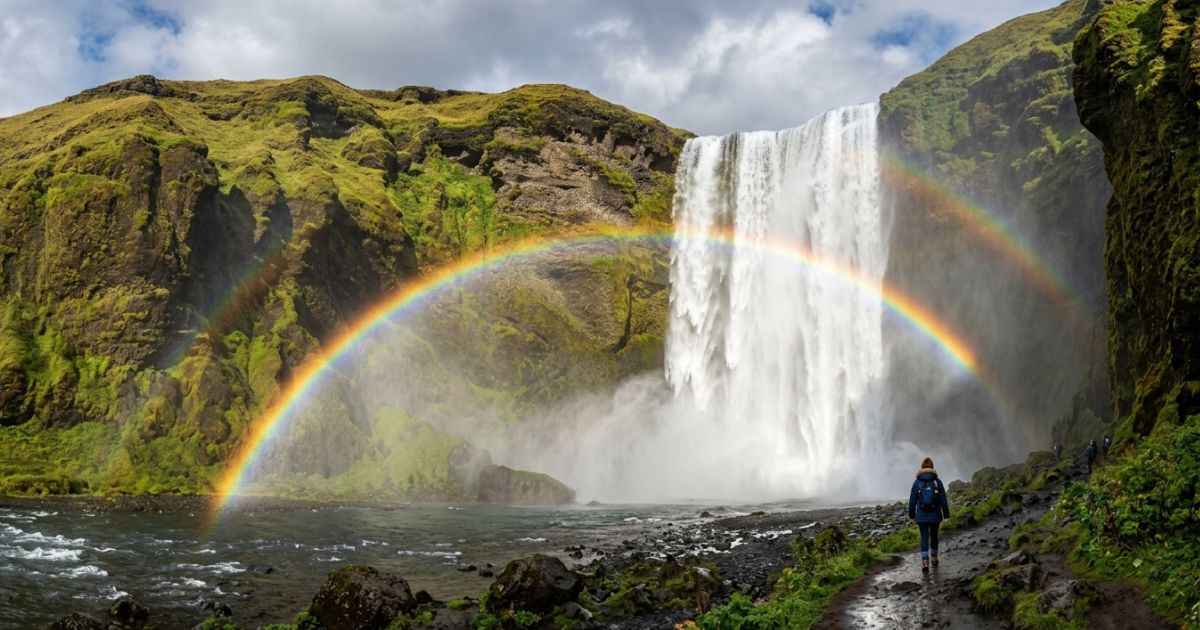
Driving east along Route 1 leads you to the dramatic South Coast, where towering green cliffs meet jet-black shorelines. Stop at Seljalandsfoss to walk on a muddy path right behind the roaring sheet of water. A short drive down the road brings you to Skógafoss, a sixty-meter-tall waterfall where you can climb a steep staircase to see the view from the top. Further along, Reynisfjara beach features towering basalt columns and dangerous sneaker waves that require you to stay far away from the surf. End your day in the charming seaside village of Vík to grab a hot bowl of lamb soup.
Jökulsárlón Glacier Lagoon and Diamond Beach
Further down the southeastern coast sits Jökulsárlón, a deep glacial lagoon filled with giant icebergs breaking off from Breiðamerkurjökull glacier. Seals often swim between the floating blue and white ice blocks as they slowly make their way toward the ocean. Across the two-lane highway, Diamond Beach catches these same ice blocks as they wash ashore on the black sand, creating sparkling contrast for photos. Visiting this area requires a long drive, making it best suited for trips lasting four days or longer.
Geothermal Spas: Blue Lagoon vs Sky Lagoon (2026 Prices)
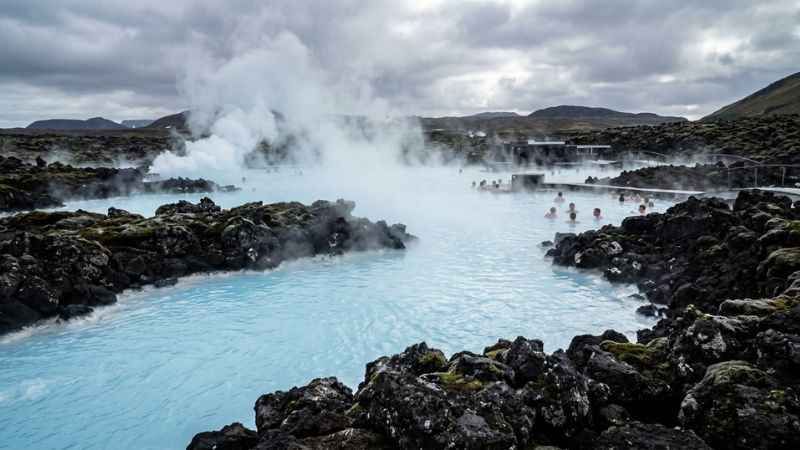
Soaking in warm mineral water is an essential Icelandic tradition. Choosing the right facility depends on your budget, travel route, and preferred vibe.
| Spa Feature | Blue Lagoon | Sky Lagoon |
| Starting Price (2026) | Blue Lagoon Comfort tickets start from 11,990 ISK, but typical 2026 prices often run ~13,500–14,990 ISK depending on time slot | Sky Lagoon Pure pass from 6,990 ISK; Sér pass from 9,990 ISK (some 2026 listings show Saman Pass from ~12,990–13,990 ISK) |
| Location | Near Keflavík Airport / Grindavík | Kópavogur (Minutes from Reykjavík) |
| Signature Perk | Milky-blue silica water in a lava field | Oceanfront infinity edge with a 7-step ritual |
| Best For | Airport arrival or departure stops | A relaxing evening close to the city center |
Northern Lights and Midnight Sun: What’s Possible When
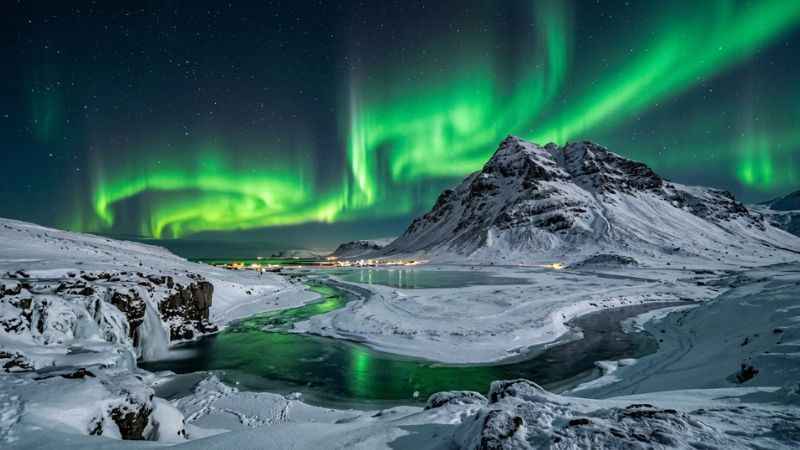
Iceland offers two entirely different sky experiences depending on the season you choose. The Northern Lights, or aurora borealis, dance across the night sky only during the dark months between September and March. October, February, and March often offer the best balance of stable weather and long hours of darkness. During June and July, the country experiences the midnight sun, meaning the sun barely sets and daylight lasts for nearly twenty-four hours straight. You cannot see the Northern Lights during the summer because the night sky never gets truly dark.
Glacier Hikes, Ice Caves, and Volcanic Experiences
Stepping onto ancient blue ice or walking inside a glowing blue ice cave requires booking a certified tour with experienced local guides. Glacier walks depart regularly from Skaftafell, while natural ice caves inside Vatnajökull glacier are typically accessible from November through March. These guided excursions provide all necessary safety gear like helmets, harnesses, and crampons. Always book these popular activities weeks in advance during peak travel seasons to secure your spot.
Iceland Itineraries by Trip Length (3, 5, 7, 10+ Days)
Choose Your Route Checklist
To pick the right itinerary for your vacation, match your available days, season, and travel style:
- 3 Days: Short break focused entirely on Reykjavík, the Golden Circle, and the nearby South Coast.
- 5 Days: Extended trip allowing you to choose between a deep dive into the South Coast down to the glacier lagoon or a loop around Snæfellsnes Peninsula.
- 7 Days: A partial Ring Road adventure covering the South Coast, East Fjords, and Lake Mývatn in the north.
- 10 to 14 Days: A full Ring Road road trip, plus the rugged interior Highlands if you visit during summer.
3 Days in Iceland (Reykjavík + Golden Circle + South Coast Highlights)
Three days is short, but careful planning lets you experience the absolute highlights without rushing.
- Day 1: Arrive at Keflavík Airport, grab a hot dog in Reykjavík, explore the colorful streets, and visit Hallgrímskirkja church. Spend the night in the capital.
- Day 2: Drive the Golden Circle route. Visit Þingvellir, watch Geysir erupt, and admire Gullfoss before driving south to sleep near Selfoss.
- Day 3: Explore Seljalandsfoss and Skógafoss waterfalls, walk carefully near Reynisfjara beach, and head back to the airport for your evening flight home. Skip the distant glacier lagoon on this short trip.
5 Days in Iceland (Add Jökulsárlón or Snæfellsnes)
Five days gives you enough breathing room to venture further away from the capital city. If you choose the South Coast route, drive all the way to Jökulsárlón Glacier Lagoon on day three, spending nights in Hella, Vík, and Höfn before returning. If you prefer less driving, spend your extra days exploring the dramatic mountains, black churches, and coastal cliffs of the Snæfellsnes Peninsula instead.
7 Days in Iceland (Ring Road Taster or South + North)
A seven-day trip lets you tackle a large portion of Route 1, the famous ring road circling the island. Drive along the South Coast, wind through the dramatic cliffs of the East Fjords, and spend a couple of days exploring the geothermal wonderland around Lake Mývatn and the northern city of Akureyri. Plan your driving hours carefully so you spend less time behind the wheel and more time exploring.
10–14 Days (Full Ring Road + Highlands if Summer)
Ten to fourteen days unlocks the ultimate Icelandic road trip experience. You can drive the complete Ring Road at a relaxed pace, adding stops in the remote Westfjords or venturing into the interior Highlands on rough F-roads. Note that F-roads require a four-wheel-drive vehicle and are strictly closed during winter and spring due to dangerous snow and mud conditions.
Best Time to Visit Iceland (By Season, Month, and Goal)
Summer (June–August): Midnight Sun, Highlands, Puffins
Summer brings mild weather, vibrant green landscapes, and millions of nesting puffins along the coastal cliffs. Road conditions are at their best, and the endless daylight allows you to sightsee late into the evening without crowds. The main downsides are higher prices for car rentals and hotels, plus busier tourist parking lots at major attractions.
Aurora Season (September–March): Northern Lights, Winter Landscapes
Winter transforms Iceland into a snowy wonderland complete with frozen waterfalls and blue ice caves. This period gives you long nights to chase the aurora borealis across dark rural skies. However, severe snowstorms and high winds can cause sudden road closures, requiring flexible travel plans.
Shoulder Months for Budget and Balance
April, May, and September serve as wonderful shoulder months with fewer tourists and moderate prices. September offers lingering autumn colors and the start of the Northern Lights season. Late spring brings melting snow, blooming wildflowers, and returning migratory birds.
| Month | Average Temp | Daylight Hours | Best For |
| February | -1°C to 3°C | 7 to 10 hours | Northern Lights, ice caves, winter scenery |
| May | 3°C to 10°C | 16 to 20 hours | Budget travel, fewer crowds, mild weather |
| July | 10°C to 15°C | 20 to 22 hours | Highlands, puffins, midnight sun road trips |
| October | 2°C to 7°C | 8 to 11 hours | Autumn colors, early aurora hunting, lower prices |
Costs, Budget Tips, and Free Things to Do in Iceland
What Things Actually Cost in 2026 (Spas, Tours, Fuel, Food)
Iceland is notoriously expensive, so understanding real prices helps prevent budget shocks. A casual meal or fast-casual burger costs around 2,500 to 4,000 ISK, while sit-down dinner mains typically 3,500–6,500 ISK; with a drink or in tourist areas, 5,000–8,000 ISK+ per person. Gasoline averages ~224 ISK/L in August 2026 (range ~190–233 ISK/L), making rental car fuel a major trip expense. Geothermal spa entries range from ~6,990 ISK (Sky Lagoon Pure) to ~14,990+ ISK (Blue Lagoon Comfort and up), with premium tiers much higher, and on-site glacier hikes ~8,000–13,000 ISK; full-day tours from Reykjavík ~20,000–32,000 ISK.
Free and Low-Cost Highlights (Waterfalls, Beaches, Hikes, City Walks)
You do not need a massive budget to enjoy Iceland because nature’s best sights are entirely free to enter. Entrance is free, but expect parking fees (~1,000 ISK) at Skógafoss and Seljalandsfoss in 2026, alongside free-to-enter natural wonders like Gullfoss and Reynisfjara beach. Wandering around Reykjavík, walking along the waterfront to the Sun Voyager sculpture, and hiking city parks require zero admission fees.
Smart Budget Moves (Groceries, Passes, Timing, Booking Windows)
Save money on food by buying breakfast and lunch items at discount grocery stores like Bonus or Krónan instead of eating out. Book your rental car and geothermal spa tickets months in advance to secure lower baseline rates before peak pricing kicks in. Drink tap water instead of buying bottled water, as Iceland has some of the cleanest drinking water in the world straight from the faucet.
Iceland Travel Mistakes to Avoid (and How to Plan Like a Pro)
Route and Timing Mistakes (Overstuffing Days, Ignoring Wind/Road Closures)
Many travelers underestimate how long it takes to drive between attractions due to winding roads, single-lane bridges, and sudden weather changes. Always check official road conditions on road.is and safety updates on safetravel.is before heading out each morning. Respect local wind warnings, especially near the ocean and coastal cliffs where powerful gusts can rip car doors right off their hinges.
Gear and Packing Mistakes (No Waterproof Layers, Wrong Footwear)
Arriving without proper rain gear is a recipe for a miserable vacation. The weather changes rapidly from bright sunshine to pouring rain and heavy wind in a matter of minutes. Always wear sturdy, broken-in hiking boots rather than casual sneakers to protect your ankles on uneven volcanic rocks.
Booking and Expectation Mistakes (Spas, Tours, Aurora Guarantees)
Never assume you can walk up and buy tickets to popular geothermal spas or ice cave tours on the day of your visit. These attractions sell out weeks ahead during peak tourist months. Remember that the Northern Lights are a natural weather phenomenon and are never guaranteed to appear, even if you visit during prime winter months.
What to Pack for Iceland (Seasonal Checklists)
The Layering Rule and Non-Negotiables
Dressing in layers keeps your body temperature comfortable despite erratic weather. Your base layer should be moisture-wicking merino wool or synthetic fabric, followed by a fleece or wool mid-layer for warmth. Finish with a 100-percent waterproof and windproof outer shell jacket and pants. Always pack a comfortable swimsuit for geothermal pools and a universal plug adapter for charging your electronics.
Winter Add-Ons (Microspikes, Headlamp, Warmers)
Winter travel requires packing small metal ice cleats or microspikes that slip over your boots to prevent slipping on icy sidewalks and parking lots. Bring a small headlamp with extra batteries for navigating dark winter mornings, plus chemical hand warmers for cold outdoor excursions. Thermal underwear and thick woolen socks are non-negotiable for staying warm.
Summer Add-Ons (Sleep Mask, Sunscreen, Bug Repellent for Mývatn)
Summer visitors need a comfortable eye mask to block out the bright midnight sun while trying to sleep in hotel rooms. Pack reliable sunscreen and polarized sunglasses because the glare off glacial ice and wet volcanic sand is surprisingly intense. Bring insect repellent with DEET if you plan to visit Lake Mývatn, where clouds of tiny midges can swarm during calm summer days.
Iceland with Kids and Families (Top Activities and Tips)
Iceland is a safe and friendly destination for family road trips, provided you keep daily driving distances reasonable. Kids love exploring the steaming mud pools at Haukadalur, walking behind Seljalandsfoss waterfall, and spotting puffins along the southern cliffs during summer. Easy geothermal pools like the Secret Lagoon or local municipal swimming pools offer warm water with fewer crowds than the larger commercial spas. Always explain safety rules clearly near cold water, cliffs, and black sand beaches before letting children explore.
FAQ: Things to Do in Iceland
What should I not miss in Iceland?
First-time visitors should not miss the Golden Circle, the waterfalls and black sand beaches of the South Coast, and a soak in a geothermal spa. These classic sights showcase the diverse volcanic landscapes that make the country famous.
What are the top 10 things to do in Iceland?
The top ten experiences include touring the Golden Circle, walking behind Seljalandsfoss, visiting Skógafoss, exploring Reynisfjara beach, seeing Jökulsárlón Glacier Lagoon, soaking in the Blue Lagoon or Sky Lagoon, hunting for Northern Lights, hiking a glacier, whale watching, and exploring Reykjavík.
Is 3 days enough time in Iceland?
Three days is enough time to experience a taste of the country by combining Reykjavík, the Golden Circle, and the South Coast. However, it requires a fast-paced schedule and leaves no time for exploring the remote northern regions or the Ring Road.
How many days in Iceland do I need?
Five to seven days is the ideal trip length for most travelers because it allows you to explore the South Coast deeply or tackle a large portion of the Ring Road. Trips lasting ten days or longer are best for a complete, unhurried island loop.
What is the best time to visit Iceland?
June through August is the best time for warm weather, open highland roads, and midnight sun sightseeing. September through March is best for snowy winter landscapes and hunting the Northern Lights.
When is the best time to see the Northern Lights in Iceland?
The best months to see the Northern Lights are October, February, and March because they combine long hours of darkness with stable winter weather. You cannot see the auroras during summer due to continuous daylight.
How much does the Blue Lagoon cost in 2026?
Starting prices for standard admission to the Blue Lagoon begin around 11,990 ISK, with typical 2026 prices running ~13,500–14,990 ISK depending on the time slot. Reserving your entry weeks ahead is essential.
What are common Iceland travel mistakes to avoid?
Common mistakes include overstuffing daily itineraries, ignoring weather and road closure alerts, wearing non-waterproof clothing, and failing to pre-book popular geothermal spas and tours.
What should I pack for Iceland?
Essential packing items include waterproof jacket and pants, sturdy hiking boots, thermal base layers, a swimsuit, and a universal power adapter. Season-specific items like microspikes for winter or a sleep mask for summer are also crucial.
Are there free things to do in Iceland?
Yes, many of Iceland’s most stunning natural attractions are completely free to visit. Major waterfalls, black sand beaches, national park walking trails, and city strolls cost nothing in admission fees.
Next Action: Check current weather forecasts and road conditions on safetravel.is right now to start mapping out your daily route safely.
You May Also Like:
Things to do in Lisbon: A Practical Guide for First-Time Visitors
Things to Do in Branson: The 2026 Local’s Guide to Shows, Lakes & Hidden Gems