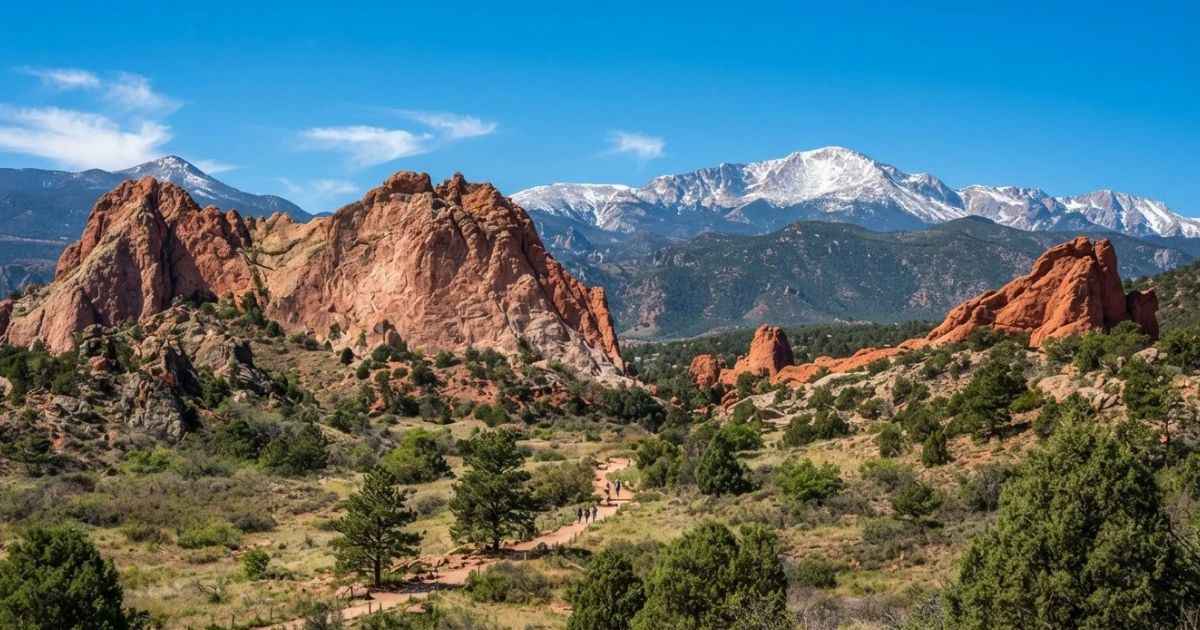
Looking for the best things to do in Colorado? You are in the right spot. Colorado brings together high mountain peaks, red-rock parks, deep canyons, historic towns, and bright blue skies. You can hike alpine trails, soak in hot springs, ride historic trains, and explore major city museums all in one state.
The best trip depends on where you go, the time of year, and your travel style. Mountain passes close for winter snow, and popular parks need advance reservations. Before you head out, check official sites like COtrip for road updates and Recreation.gov for park permits.
The Best Things to Do in Colorado at a Glance
If you want a quick list of top spots, start with this table. It breaks down the main regions, ideal visit times, and who will enjoy each stop most.
| Experience | Best for | Region | Typical time |
|---|---|---|---|
| Rocky Mountain National Park | Alpine lakes, mountain views, and wildlife | Northern Colorado | Full day or longer |
| Garden of the Gods | Easy walking on paved paths and red rocks | Colorado Springs | Half day |
| Red Rocks Amphitheatre | Outdoor concerts and famous red-rock views | Near Denver | Half day or evening |
| Mesa Verde National Park | Ancient cliff dwellings and history | Southwest Colorado | Full day or longer |
| Great Sand Dunes | Sand sledding and dark night skies | Southern Colorado | Full day or overnight |
| Scenic Train Rides | Families, couples, and non-hikers | Multiple regions | Half or full day |
| Natural Hot Springs | Soaking and muscle relaxation | Central and Western Mountains | Half day or overnight |
| Denver Museums and Food | Art, science, local food, and city walks | Front Range | One or more days |
Choose Colorado Experiences by Region
Colorado is a large state. Driving across it takes hours, especially over steep mountain roads. Picking one or two regions keeps you from spending your whole vacation in the car.
Denver and the Front Range
Denver sits at the foot of the Rocky Mountains. It offers big-city fun, walkable neighborhoods, and easy access to outdoor spots.
- Denver Art Museum: Known for its huge collection of Indigenous art and modern design.
- Denver Museum of Nature & Science: Features space exhibits, giant dinosaur bones, and wild animal displays.
- Denver Botanic Gardens: A quiet spot in the city with plants from all around the world.
- Union Station: A restored train station with restaurants, shops, hotel rooms, and transportation services.
- Red Rocks Park: A short drive west of the city. You can walk the trail steps during the day or see a concert at night.
- Boulder: Sit near the base of the Flatirons for easy trail walks, shopping on Pearl Street, and local dining.
Colorado Springs and Pikes Peak
Located south of Denver, this area blends giant rock formations with historic landmarks.
- Garden of the Gods: Entry to Garden of the Gods Park is free for visitors. Several paved paths make some areas easier to explore, though conditions vary by route.
- Pikes Peak: Ride the COG Railway or drive the highway to reach the 14,115-foot summit.
- Manitou Springs: A historic town known for natural mineral springs, local art, and arcades.
- Cheyenne Mountain Zoo: A zoo built on a mountainside where you can hand-feed giraffes.
- U.S. Olympic & Paralympic Museum: Interactive sports exhibits that highlight team USA athletes.
- Royal Gorge Bridge & Park: A suspension bridge hanging 956 feet above the Arkansas River.
Northern Colorado and Rocky Mountain National Park
This region holds classic high-country landscapes, thick forests, and clear mountain lakes.
- Estes Park: The east gateway town to the national park, filled with shops and grazing elk.
- Rocky Mountain National Park: Home to high peaks, alpine lakes, and miles of hiking trails.
- Trail Ridge Road: A high road reaching over 12,000 feet with views above the tree line, subject to seasonal weather closures.
- Grand Lake: Set right on Colorado’s largest natural lake on the western side of the park.
- Fort Collins: A college town north of Denver with historic brick streets, local shops, and bike paths.
Central Mountain Towns
These historic mining areas are now famous for winter skiing and summer mountain biking.
- Breckenridge: Famous for its historic main street, ski resort, and wooden troll sculpture.
- Vail: Vail has an alpine-style pedestrian village beside a large ski area.
- Aspen: Known for luxury shopping, local art, and the iconic Maroon Bells peaks. Access to Maroon Bells may require a reservation or shuttle during busy periods.
- Winter Park & Leadville: Winter Park offers great skiing, while Leadville is widely described as the highest incorporated city in the United States.
- Crested Butte: Known for colorful summer wildflowers, hiking trails, and fall foliage.
Southwest Colorado
Tucked away in the San Juan Mountains, this region holds steep peaks, historic mining sites, and ancient ruins.
- Durango & Silverton Railroad: A historic train that runs along steep canyon walls.
- Ouray: Known for nearby waterfalls and natural hot springs.
- Telluride: A canyon town surrounded by cliffs, linked by a free public gondola ride that operates during set seasonal dates.
- Mesa Verde National Park: Preserves ancient stone homes built into cliff sides hundreds of years ago.
Western and Southern Colorado
This area mixes high desert canyons with giant sand dunes and deep river gorges.
- Grand Junction & Colorado National Monument: Sheer red canyons and high stone spires line this desert park.
- Black Canyon of the Gunnison: Steep rock walls drop straight down to the Gunnison River.
- Great Sand Dunes: The tallest sand dunes in North America, set right against snow-capped peaks.
Regional Combination Guide
Use this simple guide to see which regions fit best into your travel schedule.
| Trip Length | Recommended Region Focus | Example Itinerary |
|---|---|---|
| 3 Days | One Region | Denver, Red Rocks, and a day trip to Garden of the Gods. |
| 5 Days | Two Nearby Regions | Fly into Denver, visit Rocky Mountain National Park, and finish in Breckenridge. |
| 7 Days | Full Regional Loop | Fly into Montrose, visit Telluride, Ouray, Durango, and Mesa Verde. |
Colorado’s National Parks and Major Landscapes
Colorado has four national parks, and each offers a completely different landscape.
                  ┌─────────────────────────────────────────┐
                  │      COLORADO'S NATIONAL PARKS          │
                  └────────────────────┬────────────────────┘
                                       │
      ┌────────────────┬───────────────┴───────────────┬────────────────┐
      ▼                ▼                               ▼                ▼
┌───────────┐    ┌───────────┐                   ┌───────────┐    ┌───────────┐
│   ROCKY   │    │   MESA    │                   │   GREAT   │    │   BLACK   │
│ MOUNTAIN  │    │   VERDE   │                   │SAND DUNES │    │  CANYON   │
├───────────┤    ├───────────┤                   ├───────────┤    ├───────────┤
│ High Peaks│    │ Cliff     │                   │ Giant     │    │ Deep      │
│ & Alpine  │    │ Dwellings │                   │ Dunes &   │    │ Rock      │
│ Lakes     │    │ & History │                   │ Stargazing│    │ Gorges    │
└───────────┘    └───────────┘                   └───────────┘    └───────────┘
Rocky Mountain National Park
This park covers 415 square miles and features over 300 miles of hiking trails. You can drive past high fields, walk around Bear Lake, or spot elk in Horseshoe Park.
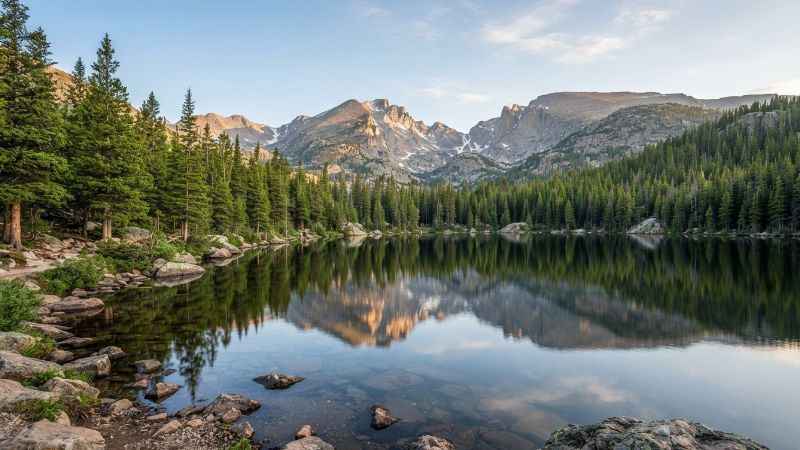
During some periods, Rocky Mountain National Park requires timed-entry reservations for specific hours and areas. Check the current National Park Service rules before visiting. Check the National Park Service website for road status and snow updates.
Mesa Verde National Park
Located in southwest Colorado, Mesa Verde protects ancestral Puebloan cliff dwellings built into canyon walls mainly between the late 1100s and late 1200s.
You can drive along the mesa tops to view the ruins from lookouts. To go down inside sites like Cliff Palace, you must book a ranger-led tour ticket ahead of time.
Great Sand Dunes National Park and Preserve
This park holds giant sand hills at the base of the Sangre de Cristo Mountains. Visitors can rent or buy sandboards and sand sleds from private shops outside the park. The National Park Service does not rent this equipment.
In late spring, snowmelt creates Medano Creek at the base of the dunes, making a popular splash area for families. The park stays open 24 hours a day with no timed-entry permits needed.
Black Canyon of the Gunnison
Black Canyon features steep cliff faces dropping down toward the river. The canyon is so narrow and deep that some parts remain in deep shadow for much of the day.
The South Rim has a paved road with several easy viewing stops. The North Rim is reached by an unpaved road and has several canyon overlooks. Check seasonal road conditions before going.
Outdoor Activities in Colorado Beyond Hiking
Hiking is huge in Colorado, but you can enjoy the outdoors in many other ways.
Skiing, Snowboarding, and Winter Sports
Colorado holds world-known ski resorts like Vail, Breckenridge, Aspen Snowmass, Steamboat, and Winter Park. If you do not ski, you can still enjoy the snow. Try cross-country skiing, guided snowshoe tours, or ice skating on frozen mountain lakes.
Rafting, Paddling, and Fishing
Spring snowmelt can increase waterfall and river flow across Colorado, though exact rafting dates and water conditions vary by location and year. Beginner groups can float calmer stretches of the Colorado River, while thrill-seekers tackle white water on the Arkansas or Animas rivers. Mountain reservoirs like Dillon Reservoir offer paddleboard and kayak rentals.
Mountain Biking and Cycling
From paved paths to steep dirt tracks, cycling is popular across the state. The Glenwood Canyon Recreation Trail provides miles of paved riding along the river. For mountain biking, towns like Fruita and Crested Butte feature miles of marked dirt trails.
Wildlife Viewing and Photography
Colorado is home to Rocky Mountain bighorn sheep, elk, moose, mule deer, and marmots. Look for elk in Estes Park or watch for moose near Grand Lake. Always keep a safe distance from wildlife, use a zoom lens for photos, and never offer food to wild animals.
Scenic Drives and Historic Train Rides
If you want amazing mountain views without strenuous walking, scenic roads and historic trains are great options.
Best Scenic Drives
Many of Colorado’s 26 designated Scenic and Historic Byways can be driven, subject to road conditions and seasonal closures.
- Trail Ridge Road: Highway inside Rocky Mountain National Park reaching 12,183 feet in elevation. Closed in winter.
- San Juan Skyway & Million Dollar Highway: The San Juan Skyway loop includes the Million Dollar Highway stretch connecting Silverton and Ouray over steep mountain cliffs.
- Mount Blue Sky Scenic Byway: Highest paved road in North America, taking you above 14,000 feet. Certain entry periods and vehicle visits require timed reservations.
- Rim Rock Drive: A 23-mile road through red canyons inside Colorado National Monument.
Check COtrip for road construction, seasonal closures, and weather delays before driving mountain passes.
Best Historic Train Rides
Historic trains let you travel through remote river canyons that cars cannot reach.
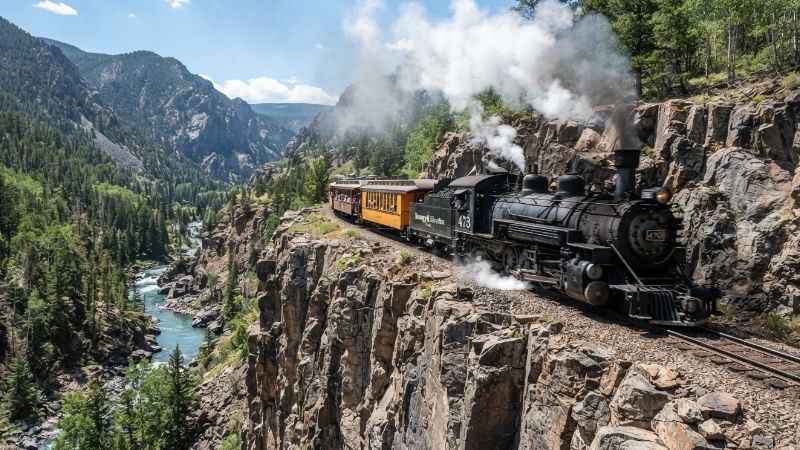
- Durango & Silverton Railroad: Durango departure; mountain scenery and historic train travel. Check official operator schedules for current departure times and trip durations.
- Royal Gorge Route Railroad: Cañon City departure; deep canyon views and family dining. Check official operator schedules for current departure times and trip durations.
- Cumbres & Toltec Railroad: Antonito departure; high-altitude plains and mountain passes. Check official operator schedules for current departure times and trip durations.
- Georgetown Loop Railroad: Georgetown departure; short family trips near Denver. Check official operator schedules for current departure times and trip durations.
Hot Springs and Relaxing Colorado Experiences
Natural hot springs offer a great way to relax after outdoor activities.
- Glenwood Hot Springs Resort: Home to a massive mineral hot springs pool.
- Strawberry Park Hot Springs: Stone pools tucked away in a forest near Steamboat Springs.
- Ouray Hot Springs: Developed pool facilities with mountain views on all sides.
- Pagosa Springs: Deep geothermal springs set along the San Juan River.
Colorado’s Cities, Culture, Food, and History
Colorado’s culture mixes old western history, Indigenous heritage, and modern art.
                  ┌─────────────────────────────────────────┐
                  │       CULTURE, HISTORY & FOOD           │
                  └────────────────────┬────────────────────┘
                                       │
      ┌────────────────┬───────────────┴───────────────┬────────────────┐
      ▼                ▼                               ▼                ▼
┌───────────┐    ┌───────────┐                   ┌───────────┐    ┌───────────┐
│   URBAN   │    │  MINING   │                   │ INDIGENOUS│    │  LOCAL    │
│   ARTS    │    │ HERITAGE  │                   │ FLAVORS   │    │  FLAVORS  │
├───────────┤    ├───────────┤                   ├───────────┤    ├───────────┤
│ Museums,  │    │ Historic  │                   │ Mesa Verde│    │ Regional  │
│ Galleries,│    │ Towns,    │                   │ & Sand    │    │ Dishes,   │
│ Performing│    │ Old Mines,│                   │ Creek     │    │ Green     │
│ Arts      │    │ Railways  │                   │ Sites     │    │ Chile     │
└───────────┘    └───────────┘                   └───────────┘    └───────────┘
Museums and Art
Denver’s Golden Triangle district holds the Denver Art Museum and the History Colorado Center. Down in Colorado Springs, the U.S. Olympic & Paralympic Museum uses high-tech displays to honor American athletes.
Historic Mining Towns
In the 1800s, prospectors rushed to Colorado searching for gold and silver. Today, towns like Leadville, Georgetown, Silverton, and Cripple Creek keep that history alive with preserved brick buildings, historic hotels, and underground mine tours.
Indigenous and Regional History
Long before miners arrived, Ute, Cheyenne, Arapaho, and Ancestral Puebloan peoples lived on these lands. You can learn about native history at Mesa Verde National Park, Ute Mountain Ute Tribal Park, and local history museums across the state.
Food, Breweries, and Local Flavors
Colorado food culture features green chile and fresh Palisade peaches. Denver and Fort Collins have many craft breweries, while the Grand Valley near Palisade is known for local orchards and wineries.
Best Things to Do in Colorado by Season
Colorado changes completely from season to season. Pick the time of year that matches your favorite activities.
       SPRING                     SUMMER                      FALL                      WINTER
 ┌─────────────────┐        ┌─────────────────┐        ┌─────────────────┐        ┌─────────────────┐
 │ Rain & Snowmelt │        │ Warm Days &     │        │ Gold Aspens &   │        │ Powder Snow &   │
 │ Waterfall Hikes │ ─────► │ Alpine Hikes    │ ─────► │ Cool Air        │ ─────► │ Ski Resorts     │
 │ White Rafting   │        │ Wildflowers     │        │ Scenic Drives   │        │ Hot Springs     │
 └─────────────────┘        └─────────────────┘        └─────────────────┘        └─────────────────┘
- Spring (March to May): Snow melts at lower elevations, filling waterfalls and increasing river flow, though rafting dates vary. Some high trails can remain snowy into June or later.
- Summer (June to August): Summer often brings more open roads, wildflowers, camping, and outdoor events. Storms can build quickly in the afternoon, especially at high elevations.
- Fall (September to October): Aspens often turn gold from September into October, with timing varying by location. Cooler temperatures often make fall popular for hiking and scenic drives.
- Winter (November to February): Snow supports winter sports in many mountain towns, usually from late fall into spring. Perfect for skiing, snowshoeing, and soaking in warm hot springs.
Best Colorado Activities for Different Travelers
Families with Children
Popular family options include the Cheyenne Mountain Zoo in Colorado Springs, sand sledding at Great Sand Dunes with rented gear from nearby shops, and riding historic train routes. In Denver, both the Children’s Museum and the Museum of Nature & Science offer hands-on or interactive experiences; check their current schedules for visiting exhibits.
Couples
For a romantic trip, try a hot springs resort in Pagosa Springs, a fall-color drive over McClure Pass, or a sunset dinner in Telluride. Great Sand Dunes is open at night and offers dark-sky stargazing.
Non-Hikers
You do not need to hike to see Colorado’s beauty. Drive Trail Ridge Road, ride the Pikes Peak COG Railway, explore historic mining streets, or enjoy a scenic train ride through river canyons.
Budget Travelers
Entry to Garden of the Gods Park is free. You can drive many of Colorado’s scenic byways (subject to road conditions and closures), tour city parks like Red Rocks during non-concert hours, and pack picnic lunches to keep travel costs down.
How to Plan a Colorado Trip Without Overpacking the Itinerary
Trying to cross the whole state in a few days leads to long hours behind the wheel. Use these sample planning guidelines to build a simple, realistic trip.
- Choose one geographic base: Focus on one area, such as Denver and the Front Range or southwest Colorado.
- Match trip length to scope: Plan 3 days for a single city or park. Visiting several parks usually needs a longer regional road trip, often a week or more.
- Build around drive times: Mountain drives can take much longer than the same distance on flat highways.
- Plan for altitude: High elevation can cause headaches and fatigue. Visitors should acclimatize gradually. If altitude sickness symptoms appear, stop climbing. Move to a lower elevation if symptoms worsen.
- Use a pre-trip checklist: Verify road conditions on COtrip, confirm reservation passes on Recreation.gov, and pack extra warm clothing layers.
Common Colorado Travel Mistakes to Avoid
- Underestimating the altitude: Heading straight to a high mountain peak on your first day can cause altitude sickness.
- Ignoring afternoon weather: High-country storms often build during the afternoon. Start exposed hikes early in the morning.
- Skipping reservation rules: Some entry periods and vehicle visits require reservations. Check current rules for each site before traveling.
- Approaching wild animals: Stay back from big animals like elk, moose, and bighorn sheep.
- Assuming summer means warm weather: High mountain tops can stay cold, windy, or snowy even in July. Always carry a warm light jacket.
Frequently Asked Questions About Things to Do in Colorado
What are the top things to do in Colorado?
The top things to do include exploring Rocky Mountain National Park, walking among the red rocks at Garden of the Gods, seeing a show at Red Rocks Amphitheatre, and visiting historic mountain towns like Breckenridge or Telluride.
What is a top attraction in Colorado?
Rocky Mountain National Park is famous for its high mountain scenery, alpine lakes, and abundant wildlife.
How many days in Colorado is enough?
Trip length depends on your plans. Four to five days works well for exploring one main city base and a nearby mountain region, while visiting several national parks across the state usually needs a longer regional road trip of a week or more.
What is the best time to visit Colorado?
July and August are popular for hiking and summer events, with variable mountain weather. September and early October often bring fall color depending on location, while December through March is often a popular ski period subject to snow and resort operations.
What are the best things to do in Colorado in winter?
Winter highlights include skiing or snowboarding at mountain resorts, soaking in natural hot springs, and snowshoeing quiet alpine trails.
What are the best things to do in Colorado with kids?
Great family stops include feeding giraffes at the Cheyenne Mountain Zoo, sliding down sand hills at Great Sand Dunes, riding historic trains, and exploring interactive museums in Denver.
What are some unique things to do in Colorado?
Unique activities include sledding down North America’s tallest sand dunes, camping under dark skies at designated campgrounds, walking through ancient cliff dwellings at Mesa Verde, and riding the Durango & Silverton Narrow Gauge Railroad through the San Juan Mountains.
Is Colorado good for people who do not ski?
Yes, Colorado offers plenty for non-skiers. You can soak in natural hot springs, go on scenic drives, ride historic trains, explore art museums, shop in historic mining towns, and enjoy local mountain dining.
You May Also Like:
Wilmington NC Things to Do: The Complete Guide
Things to Do in Weston, MO: The Complete Local Guide