
Budapest is a stunning city divided by the mighty Danube River, blending grand historic palaces with a fun, modern energy. If you are looking for the best things to do in Budapest, you will find a mix of healing thermal waters, wild ruin bars, and rich culture that makes every day an adventure.
Essential Sights: The Must-See Attractions
Budapest splits into two distinct sides: hilly Buda and flat Pest. Walking across the bridges connects these two unique halves of the Hungarian capital.
Budapest sits atop one of the world’s largest active thermal water cave systems, with over 5.8 km of mapped underwater passages in the Molnár János Cave alone, and a total karst system exceeding 53 km, meaning warm healing water flows naturally right underneath your feet.
Here are the top landmarks you cannot miss on your first visit:
- The Hungarian Parliament Building: This massive Gothic Revival masterpiece sits right on the edge of the river and shines like gold at night.
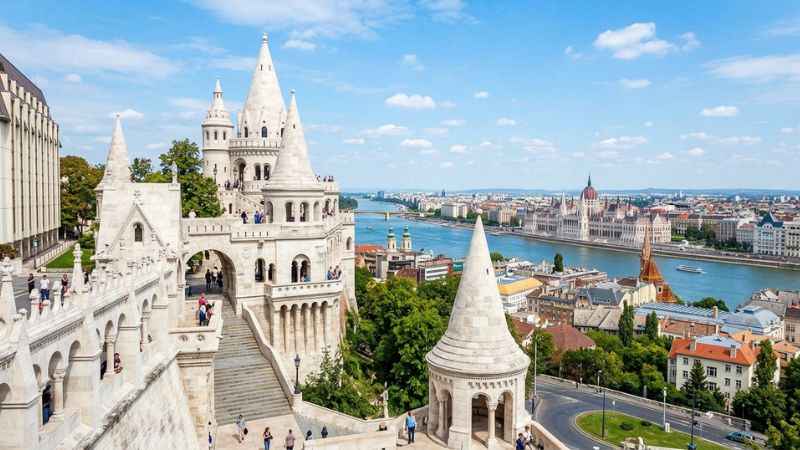
- Fisherman’s Bastion: Perched high on the Buda side, these white fairy-tale towers offer the best panoramic views of the city.
- St. Stephen’s Basilica: Climb or take the elevator to the top dome for a sweeping 360-degree view of the Pest skyline.
- Chain Bridge: Walk across the very first permanent stone bridge that permanently united Buda and Pest in 1849.
Your Perfect 3-Day Budapest Itinerary
Planning your time efficiently helps you see the best highlights without feeling exhausted. This structured 3-day schedule balances iconic sights, relaxation, and local culture.
| Day | Focus Area | Morning Activity | Afternoon Activity | Evening Activity |
| Day 1 | Historic Pest | Tour the Hungarian Parliament Building. | Stroll down Andrássy Avenue to Heroes’ Square. | Dinner in the vibrant Jewish Quarter. |
| Day 2 | Buda Castle & Baths | Explore Buda Castle and Fisherman’s Bastion. | Soak in the warm waters of Gellért Baths. | Sunset walk across the Chain Bridge. |
| Day 3 | Parks & Views | Relax on green Margaret Island. | Visit St. Stephen’s Basilica dome view. | Drinks at an eclectic ruin bar. |
Dive Into the Thermal Bath Culture
Taking a soak in a historic thermal bath is a centuries-old tradition in Hungary. The mineral-rich waters come from natural underground springs to relax your muscles and warm you up.
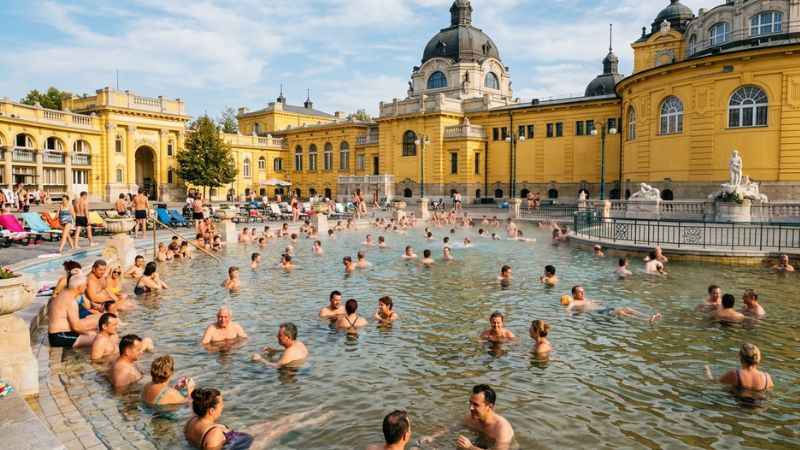
- Széchenyi Baths: Massive yellow neo-baroque outdoor pools on the Pest side where locals play chess in the warm water.
- Gellért Baths: A gorgeous Art Nouveau facility featuring stunning mosaic tiles, stained glass windows, and historic indoor architecture.
- Rudas Baths: An authentic 16th-century Turkish dome pool paired with modern rooftop hot tubs overlooking the river.
For a truly unique twist, look into a thermal beer spa where you soak in wooden tubs filled with bath-infused hop, malt, and brewer’s yeast while pouring yourself fresh beer from a tap.
Authentic Hungarian Food Guide
Traditional Hungarian dishes are hearty, flavorful, and deeply comforting. Knowing what to eat and where to find it makes your culinary journey unforgettable.
- Goulash (Gulyás): A rich, slow-cooked meat and vegetable soup spiced with authentic Hungarian paprika. Try it at Hungarikum Bisztró near Parliament.
- Lángos: Deep-fried flatbread topped traditionally with garlic butter, sour cream, and grated cheese. Grab one fresh at the Great Market Hall.
- Chimney Cake (Kürtőskalács): Sweet, spit-roasted sweet dough coated in sugar, cinnamon, or crushed walnuts, baked fresh over hot coals on the street.
Explore the Vibrant Ruin Bars
When the sun goes down, the Jewish Quarter comes alive with the famous ruin bar scene. These watering holes sit inside abandoned buildings, empty lots, and old factories left vacant after World War II.
- Szimpla Kert: The pioneer of the movement, filled with mismatched vintage furniture, old cars converted into seating booths, and quirky art installations.
- Instant-Fogasház: A massive maze of interconnected rooms and courtyards, offering different music genres across multiple dance floors under one roof.
Always watch your drink, keep your wallet secure in crowded areas, and agree on drink prices before you order to avoid common tourist scams.
Best Time to Visit Budapest
Choosing when to visit changes the entire feel of your trip. Each season brings unique weather, crowds, and local events.
- Spring (March to May): Mild weather and blooming flowers make this the best time for comfortable walking tours and sightseeing without massive summer crowds.
- Summer (June to August): Vibrant outdoor concerts, lively rooftop bars, and long daylight hours, though temperatures get quite hot and tourist numbers peak.
- Winter (November to December): Magical holiday energy featuring world-famous Christmas markets, warm winter street food, and cozy thermal baths in the cold air.
Hidden Gems Off the Tourist Trail
Once you check off the major sights, dive deeper into local neighborhoods and lesser-known corners.
- Pál-völgy Caves: Explore Hungary’s longest dry cave system (~31 km) with a guided walking tour just a short bus ride from the city center.
- The Children’s Railway: Take a scenic train ride through the Buda Hills entirely run by children under adult supervision, a fun tradition dating back to communist times.
- Wekerletelep: Wander through a peaceful, garden-suburb neighborhood built in the early 20th century, famous for its unique Transylvanian folk-style architecture.
Budget Tips and Practical Advice
Planning ahead helps you save money and avoid long lines at busy attractions.
- Currency: Hungary uses the Forint (HUF), not the Euro. Avoid high-fee Euronet ATMs on the street and use card payments whenever possible.
- Transport: The city has an easy metro and tram network. Grab a multi-day transit pass for unlimited rides.
- Free Walks: Strolling across the bridges, walking through Margaret Island, and exploring the Castle District courtyards cost nothing at all.
Frequently Asked Questions
How many days do I need in Budapest?
Three to four days is the ideal amount of time to see the main highlights, relax in a thermal bath, and explore the nightlife without rushing.
Are the thermal baths clean?
Yes, all public thermal baths follow strict health and safety standards. Pool water is continuously filtered and refreshed with fresh mineral water throughout the day, with full drainage and refills on a regular schedule.
Is Budapest safe for tourists?
Budapest is generally very safe for solo travelers, families, and couples day and night. Just use standard big-city common sense regarding pickpockets in crowded tourist zones.
What should I eat in Budapest?
Make sure to try traditional goulash soup, savory lángos (fried dough topped with garlic, sour cream, and cheese), and sweet chimney cake for dessert.
Take the next step right now: Check your calendar, pick your travel dates, and book your tickets for the Hungarian Parliament Building and thermal baths in advance to lock in your preferred time slots.
You May Also Like:
Things to Do in St. Thomas: The Complete 2026 Guide to Beaches, Tours & Hidden Gems
Things to Do in Gatlinburg: Best Attractions, Free Activities, and Itineraries