
The best things to do in Uruguay span six main experiences: Montevideo food and culture, Colonia history, Punta del Este glamour, Rocha wild coast, Tannat wine country, and the gaucho interior. Planning a trip here means moving past basic top lists to match your interests with real transport realities, seasonal openings, and 2026 travel costs. This guide breaks down every region, itinerary length, and practical tip you need to build your ideal South American journey.
Best Things to Do in Uruguay by Region
Uruguay is small, but its regions offer totally different vibes. Choosing where to go depends on whether you want city energy, old-world history, or wild nature.
Montevideo & the Río de la Plata
Uruguay’s capital blends old European-style buildings with a relaxed beach culture along the world’s longest continuous sidewalk.
- Walk the Rambla: Stroll, bike, or watch the sunset along the massive coastal walkway that connects every neighborhood to the river.
- Explore Ciudad Vieja: Wander through the historic old town to see Teatro Solís, Plaza Independencia, and colorful street art.
- Eat at Mercado del Puerto: Feast on traditional meat cooked over wood coals at this bustling indoor market filled with grill smoke and local energy.
- Culture Add-ons: Catch a live candombe drum performance on the street or visit local museums to learn about tango and national history.
| Montevideo Must-Dos | Time Needed | 2026 Cost Range |
| Rambla Sunset Walk | 1 to 2 hours | Free |
| Ciudad Vieja Walking Tour | Half day | Free to $25 guided |
| Mercado del Puerto Lunch | 2 hours | $20 to $45 per person |
| Teatro Solís Tour | 1 hour | $5 to $10 |
Colonia del Sacramento & the Southwest
Sitting right across the water from Buenos Aires, this quiet colonial town feels frozen in time.
- Barrio Histórico: Walk down quiet stone streets lit by old lanterns and climb the historic lighthouse for views over the river.
- Carmelo Wineries: Take a short trip north to taste Tannat wine at boutique vineyards surrounded by peaceful rivers and orchards.
- Ferry Logistics: Most travelers arrive via the Buquebus or Colonia Express ferries from Buenos Aires, which take about 1 hour 15 minutes for the fast boat.
Tip: Colonia is best enjoyed as a one-to-two-night stop to slow down and enjoy the quiet pace before heading to the louder beach towns.
Punta del Este, José Ignacio & the Southern Coast
This stretch of coastline is South America’s most famous playground for summer luxury and beach parties.
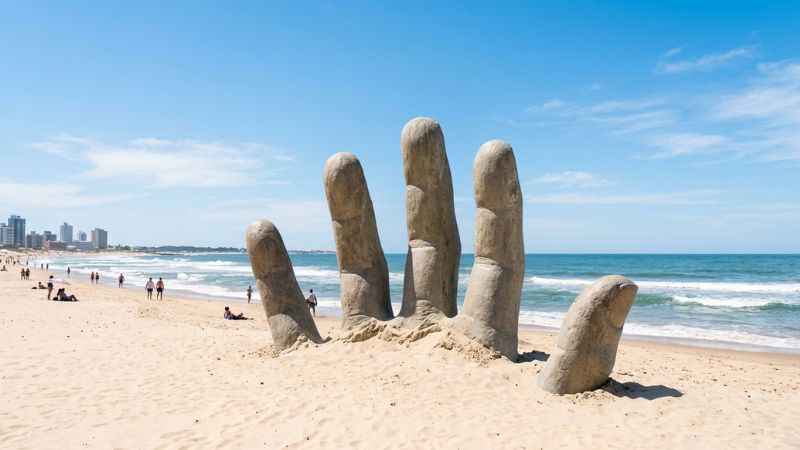
- La Mano (Los Dedos): Snap a photo of the famous giant fingers sculpture rising out of the sand at Playa Brava, then swim in the calmer waters of Playa Mansa.
- Casapueblo Sunset: Visit the white cliffside home and art museum of artist Carlos Páez Vilaró in Punta Ballena to watch the sun drop into the ocean.
- José Ignacio: Explore this nearby upscale fishing village known for barefoot luxury, boutique beach clubs, and the iconic white lighthouse.
Seasonality Note: This entire coast peaks between December and February. If you visit between June and August, many hotels and restaurants close down completely.
Rocha & the Wild Atlantic Coast
If you want raw nature and wide-open spaces away from high-rise buildings, head further east into Rocha.
- Cabo Polonio: Ride a special truck through sand dunes to reach this off-grid village where wild sea lions rest on the rocks and homes have no grid electricity.
- Punta del Diablo & La Pedrera: Surf, stay in rustic wooden cabins, and enjoy a relaxed, bohemian beach atmosphere.
- Laguna de Rocha: Watch native birds or take long walks on empty sand dunes between Valizas and Cabo Polonio.
Logistics: Having your own car makes exploring Rocha much easier, though long-distance buses can connect you to the main highway stops.
Wine Country: Canelones & Carmelo
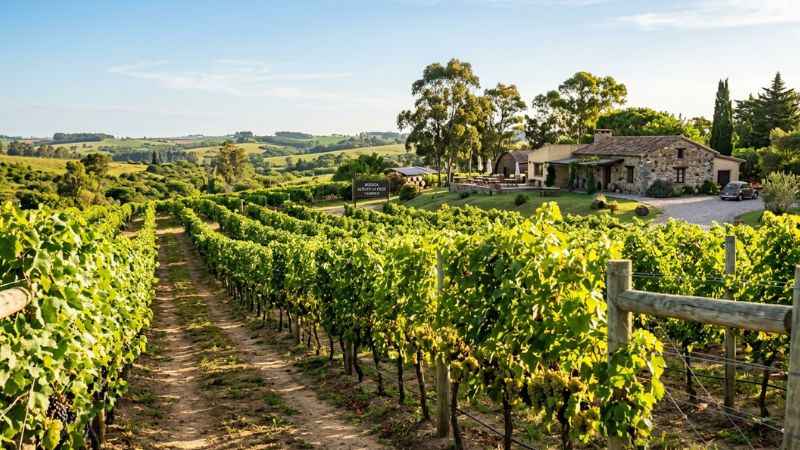
Uruguay is famous for Tannat, a bold red wine that thrives in the local soil and damp ocean breeze.
- Tannat Tastings: Visit family-run vineyards and modern estates like Bodega Garzón to taste award-winning bottles paired with local cheese and farm-fresh lunches.
- Day Trip Access: Most wine tours are easy to reach as day trips from Montevideo or as overnight stops in Carmelo.
Gaucho Interior & Hot Springs
Head inland to experience rural traditions and outdoor relaxation far away from the ocean beaches.
- Estancia Stays: Spend a few days on a working cattle ranch riding horses, learning about gaucho culture, and eating fresh asado meat.
- Termas del Daymán: Relax in natural thermal hot springs located near the northern city of Salto.
- Fray Bentos UNESCO Site: Tour the historic meat processing factory that once fed large parts of the world.
Car Recommendation: Exploring the rural interior without a personal vehicle is very difficult because public buses run much less frequently.
Uruguay Itineraries: 3, 5, 7, 10 & 14 Days
| Itinerary Length | Regions Covered | Recommended Nights | Best Transport Mode | Seasonal Caveats |
| 3 Days | Montevideo & Colonia | 2 Nights | Bus or Ferry | Great year-round |
| 5 Days | Montevideo, Colonia & Punta del Este | 4 Nights | Bus or Rental Car | Avoid coastal towns in winter |
| 7 Days | Classic Coast Triangle | 6 Nights | Rental Car | Book early for summer months |
| 10 Days | Coast, Wine & Rocha Wilds | 9 Nights | Rental Car | Cabo Polonio requires 4×4 trucks |
| 14 Days | Full Country & Interior | 13 Nights | Rental Car | Interior roads need careful planning |
Costs & Budgets in Uruguay (2026 Prices)
Uruguay is one of the more expensive countries in South America, but prices remain stable and predictable.
- Shoestring ($40–$55 per day): Staying in shared hostel dorms, eating street empanadas or grocery food, and taking public buses.
- Mid-Range ($90–$120 per day): Booking private hotel rooms, eating lunch and dinner at local casual restaurants, and taking taxis or mid-range transport.
- Comfortable ($160+ per day): Renting a car, staying in boutique hotels or beach resorts, and dining at upscale steakhouses and wineries.
Checklist: While credit cards work everywhere in major cities, keep cash handy for small rural pulperías, buses, tips, and beach vendors in remote towns.
Safety in Uruguay: What Travelers Need to Know (2026)
Uruguay ranks #1 in Latin America and the Caribbean and carries a US Level 2 travel advisory, making it one of the safest countries on the continent.
- City Precautions: Watch out for petty theft like pickpocketing in crowded Montevideo bus stations or old town streets.
- Safe Neighborhoods: Stick to well-traveled, well-lit districts like Pocitos, Punta Carretas, and Carrasco when walking at night.
- Beach Towns: Coastal destinations like Punta del Este, Colonia, and Rocha are exceptionally safe for families and solo travelers.
Best Time to Visit Uruguay (Month-by-Month 2026)
| Month | Avg Temps | Sea Temp | Crowds | Price Level | What’s Open |
| January | 28°C / 82°F | Warm | Maximum | Peak | Everything open |
| April | 22°C / 72°F | Mild | Low | Moderate | Most things open |
| July | 14°C / 57°F | Cold | Minimal | Low | Coastal towns closed |
| October | 20°C / 68°F | Cool | Low | Moderate | Season reopening |
- Shoulder Windows: November to early December and March to mid-April offer warm weather, swimmable water, and smaller crowds.
- Summer Peak: December through February brings warm beach weather, but prices double and popular towns book out months in advance.
- Winter Season: June through August brings cool, windy days and quiet coastal towns where many hotels shut down.
Unique & Off-the-Beaten-Path Experiences
- San Gregorio de Polanco: Visit this remote lakeside town covered in bright public murals painted by famous artists.
- Cristo Obrero: Admire the curved brick architecture of this UNESCO-listed church designed by engineer Eladio Dieste near Atlántida.
- Artigas Amethyst Mines: Travel far north to explore deep underground mines filled with giant purple crystal geodes.
- Barra de Valizas: Hike across massive sand dunes between coastal fishing hamlets to find untouched ocean beaches.
Common Uruguay Travel Mistakes (And How to Avoid Them)
- Treating Uruguay like a cheap extension of Argentina without checking local prices.
- Visiting beach resorts in July and finding every hotel and restaurant closed for the winter.
- Waiting until the last minute to book rooms for New Year’s Eve or the February Carnival celebrations.
- Assuming you can explore the rural interior easily without renting a car.
- Relying only on digital payment cards when visiting small towns outside major cities.
FAQ: Things to Do in Uruguay
Is Uruguay worth visiting for tourists?
Uruguay offers a safe, uncrowded travel experience with world-class wine, historic colonial towns, and peaceful natural beaches. It provides a relaxed alternative to busier South American destinations.
Is Uruguay expensive or cheap?
Uruguay is generally more expensive than neighboring Argentina and Brazil. Food, lodging, and transport prices align more closely with European travel costs.
What is Uruguay best known for?
The country is famous for its smooth Tannat red wine, grilled beef asado, casual mate tea culture, and coastal beach resorts like Punta del Este.
Is Uruguay friendly to Americans?
Local residents are exceptionally welcoming and polite to foreign visitors from the United States and elsewhere. Language barriers are common, so learning a few words of Spanish helps.
How many days do you need in Uruguay?
Most travelers need at least 7 days to combine Montevideo, Colonia, and the coast. A 10 to 14-day trip allows you to add wine country and the wild Rocha region.
What is the best time to visit Uruguay?
The best months to visit are November through early December and March through mid-April. This shoulder window provides warm weather without the massive summer crowds.
Is Uruguay safe for travelers?
Uruguay ranks as one of the safest countries in South America with low violent crime rates. Standard precautions against petty theft in cities are all you need.
Can you visit Uruguay without a car?
You can easily explore Montevideo, Colonia, and major beach towns using long-distance buses and ferries. Renting a car is only necessary if you want to explore the rural interior or remote Rocha beaches.
Do I need to book Carnival or New Year’s in advance?
You must book accommodations and transport several months ahead if you plan to visit during January or the February Carnival celebrations.
What are unique things to do beyond beaches?
You can tour underground amethyst mines, stay on a working cattle ranch with local gauchos, or explore outdoor architectural masterpieces like Casapueblo.
Next Action: Pick your travel month first, then check flight and ferry schedules to lock down your base hotels before peak season fills up.
You May Also Like:
Things to Do in Cartagena, Colombia: The Complete 2026 Guide
Things to Do in Pensacola, Florida (2026 Guide): Beaches, Blue Angels, History, and Family Fun