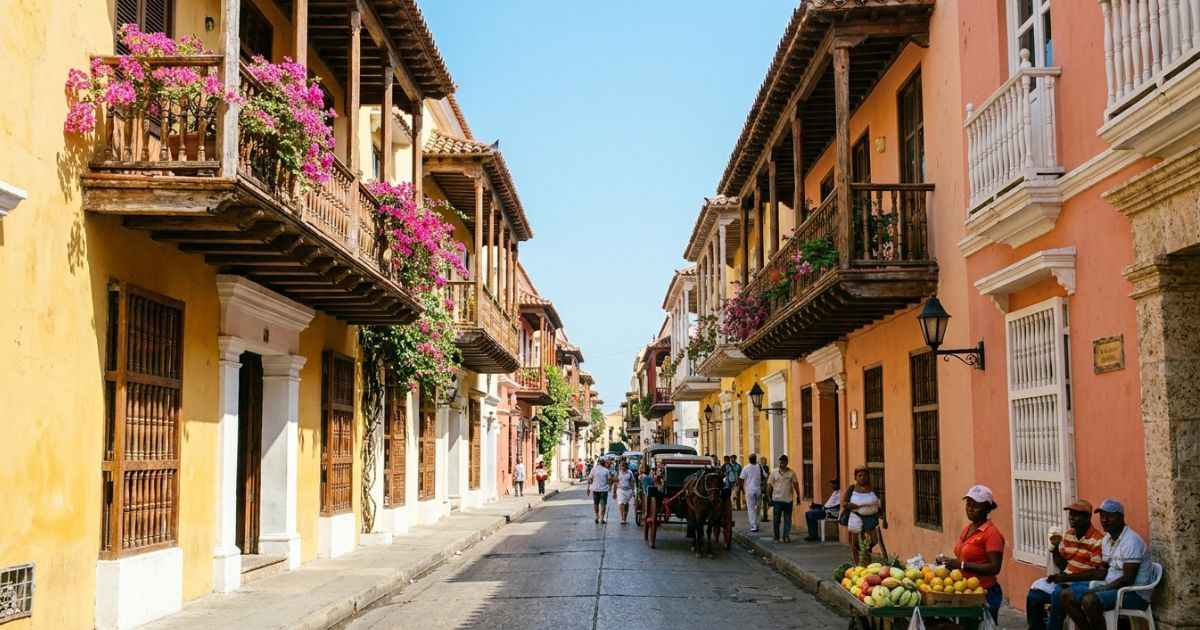
Cartagena is a vibrant city on the Caribbean coast that blends rich colonial history with warm ocean breezes. Planning a trip here means exploring the UNESCO-listed Walled City, walking through colorful neighborhoods, and taking boat rides to tropical islands. This guide covers the best things to do in Cartagena, from historical landmarks to local food spots, with honest advice on what is worth your time and what to skip.
Top 10 Things to Do in Cartagena
- Walk the Walled City at sunrise to beat the heat and crowds in the historic center.
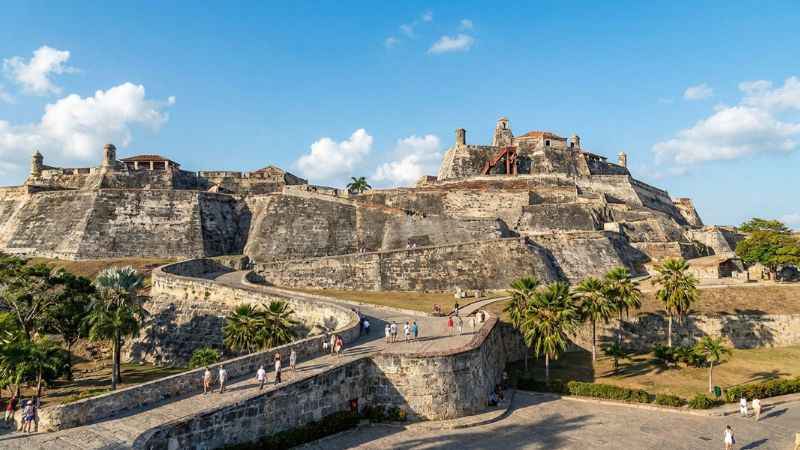
- Climb Castillo San Felipe de Barajas, the largest Spanish fortress in the Americas, before nine in the morning.
- Take a day trip to the Rosario Islands to swim and snorkel in clear water.
- Watch the sunset from the ancient city walls for free views and great photos.
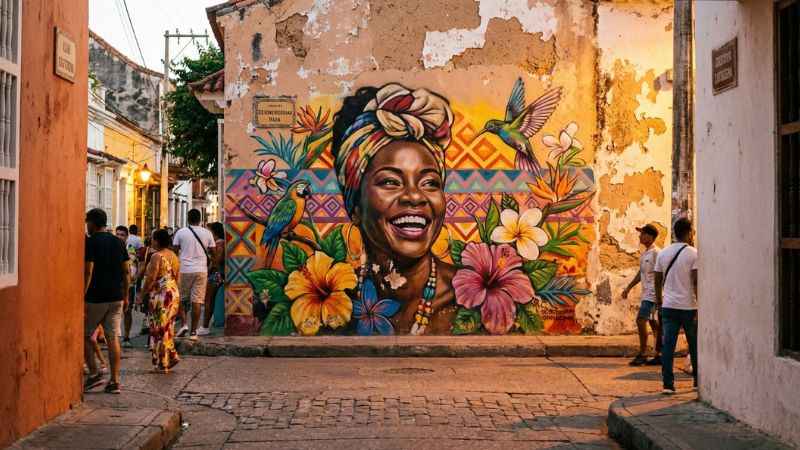
- Explore Getsemaní for bright street art, local eateries, and lively neighborhood energy.
- Visit Plaza de Bolívar and the Cathedral to see the heart of the Old Town.
- Try fresh fish ceviche at La Cevichería, a famous local seafood spot.
- Dance salsa to live bands and energetic rhythms.
- Tour the Palacio de la Inquisición to learn about colonial history in a cool indoor museum.
- Relax on Isla Barú or Tierra Bomba for closer beach options outside the main center.
Planning Your Trip: How Many Days, When to Visit, and Where to Stay
How Many Days Do You Need in Cartagena?
Three days is the minimum time needed for first-time visitors to see the Old Town, tour the big fortress, and take one island day trip. Five days offers an ideal pace to add Getsemaní, a second island, and local food tours. Seven days works well for beach lovers or remote workers who want a slower schedule.
| Days | What You Can See |
| 3 Days | Old Town, Castillo San Felipe, one island day trip |
| 5 Days | Old Town, Getsemaní, two island trips, food tour, nightlife |
| 7 Days | Full city highlights, multiple islands, day trips, beach relaxation |
Best Time to Visit Cartagena
The dry season runs from December to April and brings the best weather, highest prices, and biggest crowds. The shoulder months of May, June, and November offer a good balance of nice weather and lower costs. The rainy season runs from May to November, with October as the wettest month. July experiences a mid-year mini dry spell with reduced rainfall. Daily afternoon showers are common, and hotel rates are generally lower than the dry season.
Best Neighborhoods to Stay In
| Neighborhood | Best For | Vibe | Price Range | Safety |
| El Centro | First-timers, history lovers | Colonial charm, busy | High | Very safe |
| San Diego | Couples, luxury travelers | Quieter, upscale | High | Very safe |
| Getsemaní | Backpackers, nightlife | Hip, local, lively | Medium | Safe main streets |
| Bocagrande | Beach access, families | Modern high-rises | High | Very safe |
| Castillogrande | Quiet beach stay | Residential, calm | Medium-High | Safe |
First-time visitors should book a hotel in El Centro or San Diego to stay close to the main historic sights. Budget travelers and nightlife seekers will enjoy the energetic vibe of Getsemaní. Families and beach-focused travelers can look at Bocagrande or Castillogrande for modern towers near the ocean.
Is Cartagena Safe? Honest Safety Tips and Scams to Avoid
Cartagena is safe for tourists who stay in the main areas and follow basic precautions. Millions of travelers visit every year without incident. The real risks are petty theft, common scams, and drink spiking rather than violent crime.
The Walled City, San Diego, Getsemaní, and Bocagrande are well-lit and feature a strong police presence. Visitors should avoid the neighborhoods of Olaya Herrera, El Pozón, Nelson Mandela, and Chambacú entirely, as these areas have significantly higher crime rates and are not equipped for tourist foot traffic. These neighborhoods are unsafe even during daylight hours.
Common scams require simple prevention steps to avoid trouble. Taxi drivers often claim their meters are broken to overcharge visitors; riders should use Uber, InDriver, or DiDi instead. Drink spiking can happen, so travelers must watch their drinks being made and never leave cups unattended. Street vendors on beaches can be very pushy, but a firm “no, gracias” while keeping hands to yourself will usually stop them. Keep bags zipped across your front and leave expensive jewelry in the hotel safe.
Must-See Attractions in the Walled City (Ciudad Amurallada)
Walking the streets at sunrise lets visitors beat the intense heat that builds up by ten in the morning. A great walking route starts at the Clock Tower, passes through Plaza de los Coches, and leads toward Plaza Santo Domingo and Plaza de Bolívar.
Castillo San Felipe de Barajas is a massive stone fortress built by the Spanish in the seventeenth century. Tickets cost approximately COP 30,000-50,000 (about $7.50-12 USD) for foreign visitors, with reduced rates for Colombian citizens, children, students, and seniors. Prices vary by source; verify at the official site. Visitors should arrive right when it opens at eight in the morning to avoid the sun and heavy crowds.
Plaza de Bolívar is the main green square of the Old Town, surrounded by shady trees and historic buildings. The nearby Catedral de Santa Catalina offers free entry and features classic colonial architecture.
The Palacio de la Inquisición houses a fascinating museum detailing regional history and colonial artifacts. Tickets cost around COP 24,000 (about $6 USD) for adults, with reduced rates of COP 20,000 for children, students, and seniors. The indoor air conditioning makes it a great spot to escape the midday heat.
Watching the sunset from the top of the colonial stone walls is a daily ritual for travelers and locals alike. Visitors can watch the sun drop into the Caribbean Sea without paying any entrance fee.
Getsemaní: Street Art, Culture, and Nightlife
Getsemaní is the cultural heart of Cartagena, known for vibrant street art and local energy. Once a working-class area, the neighborhood now features colorful murals celebrating Afro-Colombian culture and social justice. Self-guided walks around Plaza de la Trinidad and Calle del Arsenal offer great photo opportunities.
Plaza de la Trinidad becomes the main hub of evening activity as the sun goes down. Street food vendors sell local snacks while musicians and travelers gather on the steps.
Nightlife here includes legendary spots like Café Havana, where live bands play salsa in a vintage Cuban setting. Bazurto Social Club offers local champeta rhythms and an energetic crowd.
Beaches and Islands: Rosario, Barú, and Beyond
| Destination | Travel Time | Best For | Crowds | Price Range |
| Rosario Islands | 45-60 minutes | Snorkeling, clear water | High | High |
| Isla Barú | 45-60 minutes | Classic beach day | Very high | Medium-High |
| Tierra Bomba | 10-15 minutes | History and beach | Low-Medium | Medium |
| Isla Grande | 60 minutes | Laid-back vibe | Medium | High |
A day trip to the Rosario Islands requires taking a speedboat from the main harbor. Tour prices range from $25-50 USD for basic group catamaran transport, $50-90 USD for mid-range tours with lunch and snorkeling gear, and $150-400 USD for private speedboat charters. National park entry fees (approximately COP 28,000 / $7-10 USD) are often not included. Smaller tour groups offer a much better experience than crowded party boats.
Isla Barú features long stretches of white sand and clear water at Playa Blanca. Visitors can reach the island by boat or by car in about one hour. While the water is beautiful, vendors can be aggressive, so travelers should stay firm when declining offers.
Tierra Bomba sits just a short fifteen-minute boat ride from the city. It offers a mix of local beach clubs and historical forts at Bocachica for travelers who want a shorter transit time.
Food and Drink: What to Eat and Where
Cartagena offers a unique culinary mix of Caribbean flavors, fresh seafood, and Spanish traditions. Must-try dishes include ceviche, which features fresh fish marinated in lime juice and spices. Cazuela de mariscos is a rich seafood stew cooked with coconut milk and vegetables. Street food staples include arepa de huevo, a fried corn cake stuffed with a whole egg.
La Cevichería is the most famous seafood restaurant in the Old Town, known for its outstanding fish dishes. Mistura Restaurant offers upscale Colombian-Caribbean fusion food in a lovely setting. Mercado Bazurto provides an authentic local food market experience best visited with a professional guide.
Nightlife Beyond Getsemaní: Rooftops, Salsa, and Cocktail Bars
Nightlife in Cartagena extends far beyond Getsemaní into the upscale corners of the Walled City and Bocagrande. Café del Mar on the historic walls provides a stunning venue for evening cocktails overlooking the ocean. Alquimico is an award-winning multi-level bar inside a colonial mansion, famous for creative drinks and a lively party atmosphere.
Bocagrande features modern clubs like La Movida, which plays reggaeton and hosts international DJs. Travelers should always use ride-hailing apps to get back to their hotels safely at the end of the night.
Day Trips and Unique Experiences
The Totumo Mud Volcano sits about forty-five minutes outside the city and lets visitors float in dense, mineral-rich volcanic mud. Tours typically cost between $35-45 USD for basic group tours, $50-58 USD for small-group experiences, and $120-180 USD for private tours. Entrance fees (COP 20,000-25,000 / $5-6 USD) and informal tips for massages and photos (COP 20,000-40,000 / $5-10 USD) may be extra.
La Boquilla is a nearby fishing village that offers great conditions for kitesurfing lessons between December and March. The National Aviary on Isla Barú houses hundreds of native Colombian bird species in large walk-through habitats. Entrance fees as of 2026 are COP 85,000 (~$22 USD) for foreign adults, increasing to COP 90,000 for adults and COP 65,000 for children/students starting September 1, 2026. Literature fans can also book walking tours of sites connected to Nobel Prize-winning author Gabriel García Márquez.
Sample Itineraries: 3, 5, and 7 Days in Cartagena
A three-day trip allows visitors to see the Walled City, tour Castillo San Felipe, and take one quick island excursion. Five days provides enough time to add Getsemaní street art tours, a second island visit, and a cooking class. Seven days gives travelers a relaxed schedule to enjoy local spa treatments, remote work cafes, or extra beach days in La Boquilla.
Mistakes to Avoid and Tourist Traps to Skip
Visiting Castillo San Felipe at midday exposes travelers to intense heat and heavy crowds without shade. Booking the cheapest possible island tour often results in overcrowded boats and poor food quality.
Las Bóvedas is a row of old dungeons turned into souvenir shops that feels very touristy; a quick ten-minute walk through is plenty. Café del Mar charges high prices for drinks, so travelers should visit once for the view and seek out quieter rooftops for later in the evening.
Practical Tips: Transportation, Money, and Language
Ride-hailing apps like Uber, InDriver, and DiDi provide the safest and easiest way to travel around the city. Official taxis can be used if fares are agreed upon before getting inside the vehicle.
The local currency is the Colombian Peso, and credit cards are widely accepted in hotels and upscale restaurants. Tipping around ten percent is standard for dining services. Spanish is the primary language spoken, though most tourist workers speak enough English to help international visitors.
Frequently Asked Questions
What is Cartagena, Colombia best known for?
Cartagena is best known for its UNESCO-listed Walled City, which features well-preserved Spanish colonial architecture on the Caribbean coast. The city is also famous for Castillo San Felipe de Barajas, vibrant nightlife in Getsemaní, and nearby island day trips.
Is Cartagena safe for tourists?
Cartagena is safe for tourists who stay in main areas like the Walled City and Getsemaní while following basic safety habits. The main risks involve petty theft and scams rather than violent crime. Visitors should use ride-hailing apps and keep valuables secure.
How many days in Cartagena is enough?
Three days provides a good minimum stay to see the Old Town, explore the fortress, and visit an island. Five days allows for a relaxed pace with extra time for nightlife, food tours, and a second island trip.
What is the best time to visit Cartagena?
The dry season between December and April brings sunny weather but higher prices and larger crowds. Shoulder months like May and November offer pleasant weather with fewer tourists. The rainy season runs from July to October.
Do I need to book tours in advance in Cartagena?
Booking popular food tours and Rosario Islands speedboat trips one to two days in advance is strongly recommended. This step ensures availability and locks in reputable operators, especially during peak travel months.
What food should I try in Cartagena?
Must-try local dishes include fresh fish ceviche, cazuela de mariscos seafood stew, and arepa de huevo corn cakes. Visitors should also sample local coffee, fried plantains, and traditional beef dishes.
Is one day in Cartagena enough?
One day provides just enough time for a quick walk through the historic center and a view of the fortress. However, it misses the islands, local culture, and evening nightlife completely.
Final Thoughts: Making The Most of Your Cartagena Trip
Cartagena offers a memorable mix of colonial charm, Caribbean beaches, and energetic local culture. Success on this trip comes down to timing your visits to beat the heat, staying within safe neighborhoods, and booking through trusted operators. Grab some fresh ceviche, watch a sunset from the stone walls, and enjoy your time exploring this historic coastal city.
You May Also Like:
25 Best Things to Do in Broken Bow, Oklahoma (2026 Local Guide)
Things to Do in Carlsbad: The Complete 2026 Guide (Beaches, LEGOLAND, Lagoons & Local Secrets)