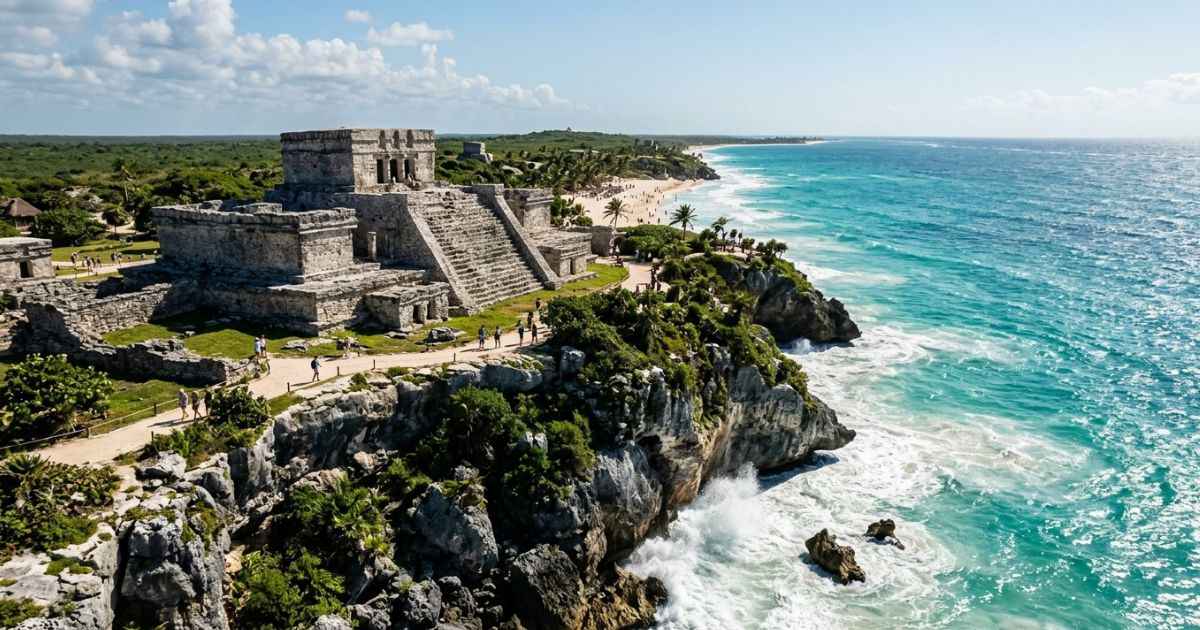
The best things to do in Tulum include exploring the clifftop Mayan ruins, swimming in crystal-clear cenotes, and relaxing on white-sand Caribbean beaches. Tulum gives you a mix of ancient history, natural sinkholes, and boho-luxury culture that feels very different from busy places like Cancun. You get a unique eco-focused vibe where wellness retreats and open-air beach clubs sit right next to the jungle.
Planning a trip here requires looking at current 2026 prices, transportation rules, and safety tips. This guide covers everything you need to build an honest and realistic travel plan.
Top 10 Things to Do in Tulum
The top things to do in Tulum give you a balanced mix of history, nature, and local food.

- Explore the Tulum Ruins: Walk through a 13th-century Mayan clifftop city that overlooks the turquoise Caribbean Sea.
- Swim in Gran Cenote: Visit the most accessible natural sinkhole with clear water and great snorkeling sections.
- Relax at Playa Paraíso: Spend a day on an iconic white-sand beach lined with tall palm trees.
- Visit Cenote Dos Ojos: Swim or dive through two connected cavern systems with bright natural light beams.
- Photo at Ven a la Luz: Visit Daniel Popper’s 33-foot sculpture at Art With Me Park (Ahau Tulum complex). The figure opens its chest to reveal a walk-through passage filled with living plants.
- Tour Sian Ka’an Biosphere Reserve: Explore a massive UNESCO site filled with coastal lagoons, mangroves, and native wildlife. (Sian Ka’an entry fee: ~225 MXN (~$14 USD) per person at Muyil entrance).
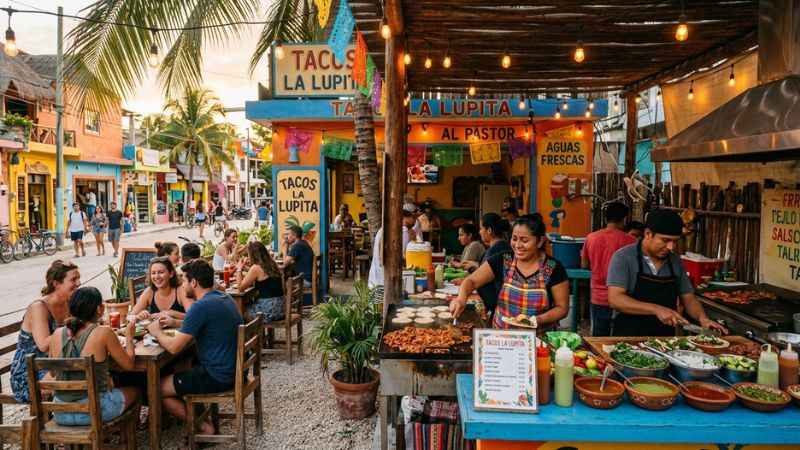
- Eat Tacos in Tulum Pueblo: Taste authentic and affordable street food away from the expensive coastal strip.
- Experience a Beach Club: Spend an afternoon at a boho-chic venue like Papaya Playa Project or Taboo (beach club day pass: $50-100 USD, often includes food/drink credit).
- Try a Temazcal Ceremony: Join a traditional Mayan sweat lodge ritual led by a local guide for wellness and relaxation. (Estimated: $50-100 USD per session).
- Cycle the Beach Road: Rent a bicycle for a coastal ride past boutiques, art galleries, and restaurants.
Tulum Ruins: Complete 2026 Visitor Guide
The Tulum Archaeological Zone is a walled Mayan seaport built directly on a high ocean cliff. The site features stone structures like El Castillo and the Temple of the Frescoes, which served as both a fortress and a trading hub.
Visiting the ruins requires paying a combined entry fee. Hours: 8:00 AM – 5:00 PM daily (last admission 3:30 PM). Foreign visitors pay 265 MXN total (includes archaeological zone + protected natural area). Mexican visitors pay 80 MXN (free on Sundays).
| Fee Type | Foreign Visitors | Mexican Nationals / Residents | Notes |
| Combined Entry Fee | 265 MXN | 80 MXN (Free on Sundays) | Includes archaeological zone + protected natural area |
Arrive before 9:30 AM to beat the intense afternoon heat and large tour groups. Weekdays are much less crowded than weekends. You can walk 4 km from Tulum Pueblo or take a short taxi ride, followed by an optional 20-peso electric cart shuttle that runs inside Parque del Jaguar from the Highway 307 ticket booth to the ruins entrance (about 5-minute ride). Walking takes approximately 15 minutes. Bring cash in Mexican pesos for all ticket windows and wear comfortable walking shoes.
Best Cenotes in Tulum: Complete Comparison
Cenotes are natural limestone sinkholes formed when underground cave ceilings collapse, exposing fresh groundwater. The ancient Maya considered these sacred portals to the underworld.
You can choose from open-air pools, semi-open sinkholes, and dark underground caves.
| Cenote Name | Cenote Type | Entry Fee (2026) | Best For | Main Facilities | Crowd Level |
| Gran Cenote | Open-air + cave | 500-600 MXN | Snorkeling, beginners, families | Lockers, gear rental, cafe | High |
| Cenote Dos Ojos | Cavern | 500-600 MXN | Cave diving, photography | Showers, lockers, restaurant | Medium-High |
| Cenote Calavera | Semi-open | 200-300 MXN | Cliff jumping, adventurous swimmers | Basic changing areas | Medium |
| Cenote Cristal | Open-air | 200-300 MXN | Relaxing swim, families | Palapas, picnic tables | Medium |
| Cenote Escondido | Cave | 200-300 MXN | Quiet swimming, photography | Minimal facilities | Low-Medium |
| Casa Cenote | Open-air | 300-400 MXN | Shallow swimming, beginner diving | Restaurant, gear rental | Medium |
Protect the local water ecosystem by showering before you enter. Never wear chemical sunscreen or insect repellent because oils damage the fragile water quality and marine life. Follow all safety instructions provided by staff in cave sections.
Tulum Beaches: Where to Relax and Swim
Playa Paraíso stands out as the most famous beach in the area with soft white sand and calm water. Playa Las Palmas offers a quieter escape for families looking for peaceful space. Playa Pescadores provides an authentic local atmosphere where fishermen dock their small boats. Playa Santa Fe sits closer to the ruins and gives you a more natural, undeveloped coastline.
Sargassum seaweed arrives seasonally between May and October depending on ocean currents. Northern beaches near the ruins are often less affected than southern stretches. Hotels and beach clubs clean their private sand sections every morning. Watch for strong rip currents on windy days and obey the colored flags posted on the sand.
Tulum Pueblo vs. Beach Zone: Where to Stay and Eat
Tulum Pueblo sits 6 km inland and serves as the actual town center where local residents live. The area offers affordable street tacos, traditional restaurants, grocery stores, and budget-friendly hotels.
The Tulum Beach Zone is a 10 km coastal strip lined with luxury hotels, wellness resorts, and high-end restaurants. The strip gives you direct access to the ocean and famous beach clubs, but prices are much higher. Aldea Zama and La Veleta offer good middle-ground options with modern apartments and easy access to both zones.
| Accommodation Zone | Budget Range | Mid-Range | Luxury Range | Best Suited For |
| Beach Zone | $150-200 / night (rare) | $250-400 / night | $500-1,500+ / night | Beach lovers, short luxury trips |
| Tulum Pueblo | $40-80 / night | $60-120 / night | $150-250 / night (limited options) | Foodies, budget travelers, long stays |
| Aldea Zama | $100-150 / night | $180-350 / night | $350-600 / night | Families, balanced value |
| La Veleta | $50-90 / night | $100-160 / night | $200-350 / night | Quiet apartment stays, remote workers |
Dining follows a similar split. You can eat delicious street tacos in the pueblo for $2 to $5 each, while meals at trendy beach zone restaurants easily cost $40 to $80 per person. Stay in the town center to save money, and visit the beach zone for sunset dinners or special day trips.
Day Trips from Tulum: Best Excursions
Chichén Itzá is one of the New Seven Wonders of the World and sits a two-and-a-half-hour drive west of Tulum. Tours usually leave early in the morning around 6:00 AM to beat the tour buses and afternoon heat.
Cobá is an ancient Mayan city located just one hour inland from Tulum (Cobá entry fee: ~106 MXN for foreigners). You can rent bicycles to ride along shaded stone paths under the jungle canopy.
Sian Ka’an Biosphere Reserve is a protected UNESCO site located right south of Tulum. You can take boat tours through narrow mangrove canals and spot dolphins and sea turtles in open water.
Valladolid is a colorful colonial town located two hours away that features traditional Yucatecan food and historic streets. Akumal is a small beach town located 30 minutes north where you can swim with wild sea turtles year-round.
Wellness, Yoga, and Unique Experiences
Beachfront yoga classes run every morning and evening at eco-resorts like Nomade and Sanara. Drop-in classes cost between $20 and $40.
Temazcal ceremonies are traditional sweat lodge rituals led by local guides to clear your mind and body through steam and chanting.
Other unique spots include Matcha Mama for healthy smoothies and Azulik City of Arts for organic architecture built without electricity. You can also take cooking classes to learn how to make salsas, moles, and handmade tortillas from scratch.
Transportation in Tulum: Getting Around
| Transport Option | Cost Range | Pros | Cons | Best Used For |
| Colectivos | ~$3-5 USD per ride (50-70 MXN for Playa-Tulum route; shorter local hops cost less) | Very cheap, frequent local vans | Crowded, fixed routes | Traveling between pueblo and beach |
| Taxis | $10-30 USD per ride | Convenient, door-to-door service | Unmetered, expensive | Short night trips |
| Uber | $8-25 USD per ride | Transparent pricing, safer | Inconsistent availability due to taxi union resistance | Airport transfers, late nights |
| Rental Bike | $10-20 USD per day | Flexible, fun, eco-friendly | Road safety risks, no shade | Short distances |
| Rental Car | $40-80 USD per day | Maximum freedom for day trips | Parking challenges, high fees | Exploring outside town |
Always agree on the taxi fare in Mexican pesos before you step inside the car because local cabs do not use meters.
Tulum Safety: What to Know
Tulum is generally safe for tourists who use normal common sense, but petty theft and tourist scams remain the most common issues.
Keep your bags zipped and close to your body in crowded areas. Never leave your phone, wallet, or camera unattended on the beach while you swim.
Avoid walking alone on the dark beach road late at night, and always use rideshare apps or hotel-recommended cabs after dark. Use ATMs located inside secure bank branches rather than standalone machines on the street to protect your card data. Drink only bottled or purified water, and wear reef-safe sunscreen to protect your skin and local wildlife.
Best Time to Visit Tulum
The high season runs from November to April when the weather is dry and sunny with comfortable temperatures between 75 and 85 degrees Fahrenheit. This period brings the largest crowds and highest hotel prices.
The shoulder months of May and October offer warm weather with lower prices and fewer tourists.
The low season runs from June to September, bringing high humidity, daily rain showers, and a higher risk of sargassum seaweed on the beaches. Visit during these months only if you want the best deals and do not mind the heat.
Sample Tulum Itineraries
3-Day First-Time Itinerary
- Day 1: Explore the Tulum Ruins early at 8:00 AM, swim at the beach below the cliffs, eat tacos in the pueblo, and relax at Playa Paraíso in the afternoon.
- Day 2: Visit Gran Cenote right at opening time, stop by Cenote Calavera, take an afternoon yoga class, and join a evening temazcal ceremony.
- Day 3: Take a guided half-day tour of the Sian Ka’an Biosphere Reserve, spend the afternoon shopping in Aldea Zama, and finish with a sunset dinner in the beach zone.
5-Day Extended Itinerary
- Days 1 to 3: Follow the 3-day itinerary above for ruins, cenotes, and local beaches.
- Day 4: Take a full-day trip to Chichén Itzá and stop in Valladolid for lunch and a cenote swim on the way back.
- Day 5: Spend the day snorkeling with sea turtles in Akumal or take a scuba diving trip on the local coral reef.
Budget Planning: What to Expect to Spend
Daily expenses vary depending on your travel style and where you decide to sleep.
- Budget Travelers: Expect to spend $90 to $155 USD per day by staying in town, eating street food, taking public colectivos, and visiting one cenote.
- Mid-Range Travelers: Expect to spend $245 to $405 USD per day by booking mid-range hotels in Aldea Zama, eating at sit-down restaurants, taking taxis, and booking guided tours.
- Luxury Travelers: Expect to spend $620 to $1,500+ USD per day by staying in beachfront resorts, eating at high-end beach clubs, and hiring private transport.
What to Skip in Tulum
- Overpriced beach zone restaurants: You pay mostly for the aesthetic rather than food quality; eat in the pueblo for better value.
- Mid-morning ruins visits: Arriving after 10:00 AM exposes you to heavy crowds and extreme heat.
- Walking the beach road at night: The unlit road is unsafe for pedestrians after dark.
- Standalone street ATMs: These machines carry high fees and skimming risks.
- Tapping the local water supply: Stick strictly to bottled or filtered water to avoid illness.
FAQ: Common Questions About Things to Do in Tulum
What is Tulum best known for?
Tulum is best known for its clifftop Mayan ruins overlooking the Caribbean Sea, crystal-clear cenotes, and white-sand beaches. It is also famous for boho-chic beach clubs and wellness retreats.
How many days do you need in Tulum?
A 3 to 4 day trip is ideal for first-time visitors to see the ruins, swim in a few cenotes, and relax on the beach. Plan 5 to 7 days if you want to take multiple day trips or enjoy a slow wellness vacation.
Is Tulum safe for tourists in 2026?
Yes, Tulum is generally safe for travelers who use basic common sense and avoid risky situations. Keep your valuables secure, avoid walking dark roads alone at night, and stick to recommended transportation.
What’s the difference between Tulum town and beach zone?
Tulum Pueblo is an inland town where locals live, offering affordable food and lodging. The Beach Zone is a coastal strip lined with luxury hotels and beach clubs with direct ocean access at much higher prices.
What’s nicer, Cancun or Tulum?
Cancun offers large all-inclusive resorts and predictable tourist infrastructure at lower costs. Tulum provides a more boutique, eco-conscious experience with unique cenotes and ruins at higher prices.
How much does it cost to visit Tulum ruins in 2026?
Foreign visitors pay 265 MXN in total fees to enter the ruins area and protected natural area. Mexican nationals pay 80 MXN, with free entry on Sundays.
What is the best time to visit Tulum?
The best time to visit is between November and April when the weather is dry and sunny. Consider March or April for a good balance of nice weather and reasonable crowds.
What cenotes are best in Tulum?
Gran Cenote is best for first-time visitors who want clear water and easy facilities. Cenote Dos Ojos is best for snorkeling and cave diving through open caverns.
Book your accommodation and transport early, especially if you plan to visit during the busy winter high season.
You May Also Like:
Things to Do in Cozumel: 25 Best Activities, Beaches & Day Trips
Things to Do in Puerto Vallarta: 25 Best Attractions, Activities & Local Experiences