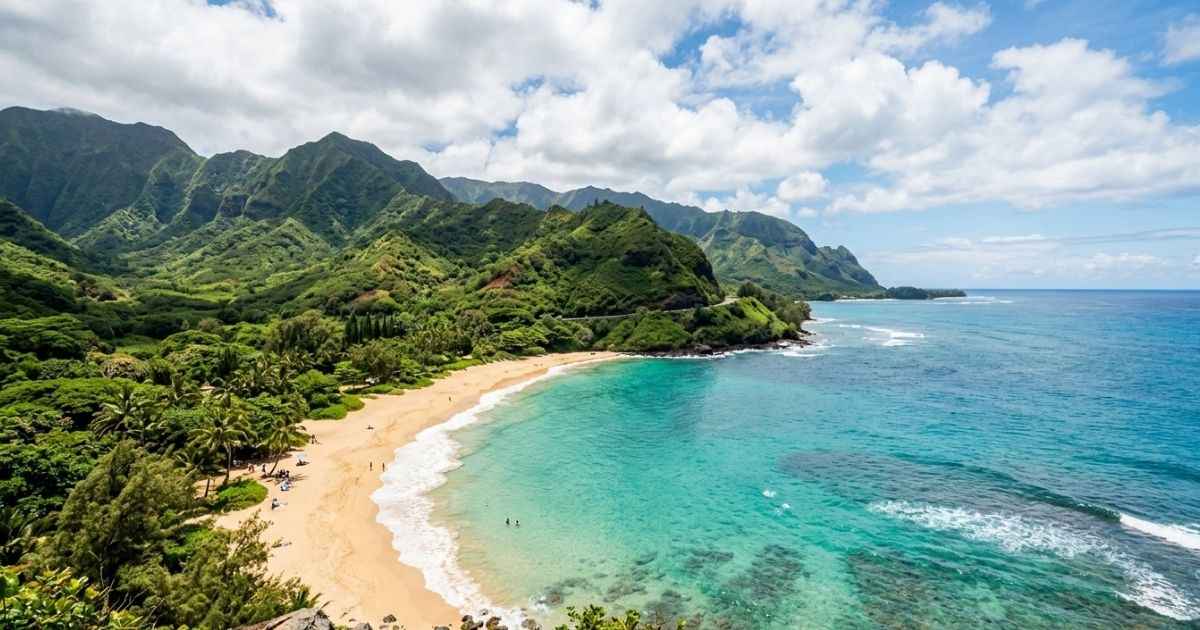
Planning a trip to the valley isle can feel overwhelming. With so many things to do in maui hawaii, you need a clear plan to see the best sights without getting stuck in traffic or missing out on crucial reservations. Maui offers a stunning mix of volcanic craters, lush rainforests, golden beaches, and rich cultural traditions.
The Big Three: Maui’s Must-Do Experiences
Haleakalā National Park is a massive 10,023-foot dormant volcano that offers breathtaking sunrise views above the clouds. Visitors stand at the summit to watch the sky turn bright orange and pink over an otherworldly crater landscape.

Reservation Requirements: You need a $30 park entrance fee plus a $1.00 sunrise permit per vehicle. Book these tickets exactly 60 days in advance at 7 AM HST on recreation.gov. The park also releases additional tickets 48 hours before each sunrise.
Best Practices: Arrive at the summit by 5 AM to secure your parking spot and find a viewing area. Temperatures at the top range from 30 to 45°F year-round, with windchill often dropping effective temperatures into the 20s, so pack a heavy jacket and warm pants.
Alternatives: If you miss out on sunrise tickets, visit for sunset instead. Sunset visits require no advance reservations after 7 AM, and the views are just as dramatic.
The Road to Hāna is a legendary 64-mile scenic drive featuring 620 curves and 59 one-lane bridges. This winding route takes you deep into lush rainforests past rushing waterfalls and dramatic coastal viewpoints.
Time Commitment: Plan for a full 10 to 12 hours with typical stops for waterfalls, beaches, and hikes to complete the drive safely. Start your journey by 6 AM or 7 AM to beat the crowds and enjoy the stops without rushing.
Key Stops: Stop at Twin Falls at mile marker 2.1 for easy waterfall views and fresh fruit smoothies. Visit Waiʻānapanapa State Park to walk on striking black sand beaches, but remember that non-residents must reserve and prepay online for both entry ($5 per person) and parking ($10 per vehicle) up to 30 days in advance. Hike the Pīpīwai Trail in the Kīpahulu District of Haleakalā National Park to reach the 400-foot Waimoku Falls.
Travel Tips: Rent a standard or mid-size vehicle, download offline navigation apps before you leave cell service, and pack plenty of snacks.
Molokini Crater is a partially submerged volcanic caldera located approximately 2.5 miles off Maui’s southwestern coast. Protected as a Marine Life Conservation District since 1977, the crystal-clear water often features over 150 feet of visibility and homes for approximately 250-260 marine species, including 260 fish species and 38 coral species.
Access: You can only reach the crater via boat tours that depart daily from Māʻalaea Harbor or Lahaina Harbor. Most half-day catamaran tours cost between $120 and $180 per person and include snorkel gear, breakfast, and lunch.
What to Expect: The inner wall of the crater blocks ocean swells, creating calm water that suits both beginner snorkelers and certified scuba divers. Keep an eye out for green sea turtles and playful spinner dolphins during the boat ride.
| Activity | Estimated Time | Cost Range | Advance Booking Needed? |
| Haleakalā Sunrise | 4-5 hours | $31.00 per vehicle | Yes (60 days prior) |
| Road to Hāna | 10-12 hours | $50-100 total | Yes (State park entry/parking) |
| Molokini Snorkeling | 5-6 hours | $120-180 per person | Yes (1-2 weeks prior) |
Best Beaches and Snorkeling in Maui
Maui features dozens of world-class beaches divided across distinct coastal regions. West Maui offers calm, resort-backed shores and dramatic snorkeling spots. Kāʻanapali Beach stretches for three miles of golden sand and features Black Rock, where a daily cliff-diving ceremony takes place at sunset. Kapalua Bay provides a sheltered cove with gentle water that makes it ideal for families and beginner swimmers. Honolua Bay offers vibrant coral reefs and clear water, though you should only swim here during the calm summer months because winter brings dangerous surf.
South Maui is famous for luxury resorts and sunny weather. The Wailea Beach Path connects four sandy crescents with calm water and easy public access. Kīhei features long stretches of sandy beach with great wading spots at Kamaole beaches I, II, and III. Mākena State Park, known locally as Big Beach, features stunning scenery, a $10 per vehicle parking fee plus a $5 per person entrance fee for non-residents, and a powerful shore break that is best left to experienced swimmers. Maluaka Beach, often called Turtle Town, attracts green sea turtles to its shallow lava reefs, allowing for incredible shore-snorkeling encounters.
Hawaiian Culture and Local Experiences
Experiencing authentic Hawaiian culture helps visitors connect deeply with the island beyond typical resort activities. Traditional luaus combine a buffet dinner of kalua pig and poi with live music, hula storytelling, and fire-knife dancing.
- Te Au Moana Luau: Located at the Wailea Beach Resort – Marriott, Maui, this oceanfront production offers high-end storytelling, local food, and immersive hula performances.
- Old Lahaina Luau: Known for its traditional focus and deep respect for Hawaiian history, operations resumed in 2026 following extended closures tied to the 2023 wildfires.
- Maui Nui Luau: Situated in Kāʻanapali, this option provides a fantastic cultural show and great value for families.
Upcountry Maui sits on the slopes of Haleakalā and offers a cooler climate, farm tours, and sweeping valley views. Visit the Ali’i Kula Lavender Farm to walk through fragrant fields and taste lavender-infused treats, or tour the Maui Pineapple Tour facilities in Hali’imaile. Stop by the Surfing Goat Dairy to sample artisan cheeses or visit the Maui Honey Bee Sanctuary to learn about local pollinators.
Adventure and Outdoor Activities
Active travelers can explore rugged ridgelines, hidden waterfalls, and thrilling outdoor sports. Hiking trails range from casual coastal strolls to demanding mountain climbs.
- Pīpīwai Trail: A moderate 3.4-4 mile roundtrip hike on the road to Hana that leads through a towering bamboo forest to Waimoku Falls.
- Waihee Ridge Trail: A 4-mile roundtrip ridgeline trek in central Maui that rewards hikers with panoramic valley and ocean views.
- Kapalua Coastal Trail: An easy, free 1.5-mile path along the West Maui coastline that requires minimal effort for maximum scenery.
Water adventures extend far beyond basic snorkeling. Humpback whales migrate to the warm waters around Maui from December through April, making whale-watching boat tours a top seasonal priority. You can also book beginner surf lessons in Kāʻanapali, paddle out on a traditional outrigger canoe, or ride an Atlantis Submarine off the coast of Lahaina—which resumed undersea tours from Lahaina Harbor in June 2026—to view marine life without getting wet.
Free and Budget-Friendly Things to Do in Maui
Hawaii state law ensures that all beaches are open and free to the public, meaning you can swim and sunbathe without paying entry fees. You can watch professional windsurfers tackle massive waves at Hoʻokipa Beach Park, marvel at the roaring ocean spray at the Nakalele Blowhole, or watch the daily cliff-diving ceremony at Black Rock completely free of charge.
Local community events provide free entertainment throughout the week. The rotating Friday Town Parties in Kīhei, Wailuku, and other districts feature live music, food trucks, and local crafts. You can also attend free hula shows at shopping centers like Whalers Village and the Shops at Wailea, or browse local produce at island farmers markets.
Planning Your Maui Trip: Practical Tips for 2026
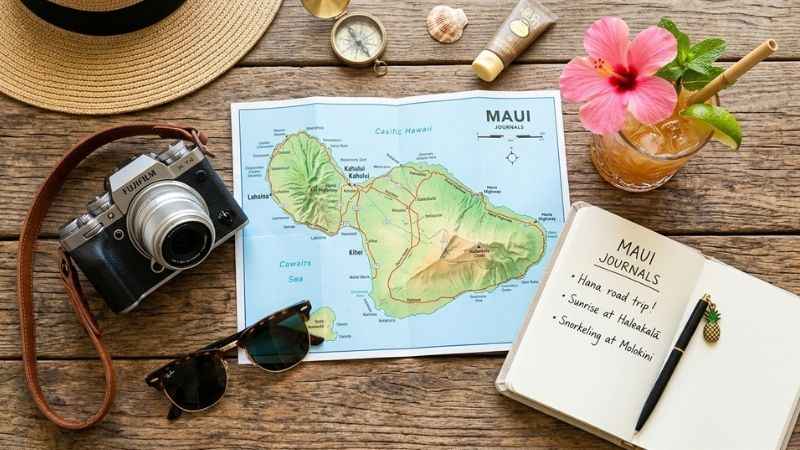
Timing your trip carefully ensures great weather and manageable crowds. The best time to visit Maui is during the shoulder seasons of late April through May and September through early October. These months offer warm weather and calm water without peak summer crowds or high holiday prices.
| Trip Duration | Recommended Focus | What to Skip |
| 3 Days | Big Three highlights (Haleakalā, Road to Hana, Molokini) | Upcountry farms, multiple beach hops |
| 5 Days | Big Three + West/South beaches + Upcountry | Deep East Maui exploration |
| 7 Days+ | Complete island tour, multiple hikes, local culture, and relaxation | Nothing—you have time for it all |
Advance planning is essential for a smooth vacation. Secure your Haleakalā sunrise permit 60 days before your trip, book popular luaus at least two to four weeks out, and reserve a rental car well in advance since airport fleets often sell out during peak seasons.
Frequently Asked Questions
Is 3 days in Maui enough?
Three days is enough for a quick taste of Maui, but you must prioritize. Focus on the Big Three: one morning for Haleakalā sunrise, one full day for the Road to Hāna, and one day for Molokini snorkeling paired with an afternoon beach visit. You will miss upcountry farms and cultural sites, but you will see the highlights.
What are some unique activities to do in Maui, Hawaii?
Unique Maui experiences include taking a guided sunrise bike tour down the slopes of Haleakalā, touring the Maui Honey Bee Sanctuary, watching the sunset from the Ocean Vodka organic farm and distillery in Kula, and exploring the towering blowholes along the northern coastline.
What is the best time to visit Maui?
The best time to visit Maui is during the shoulder months of late April through May and September through early October. These months provide wonderful beach weather, lower resort prices, and fewer crowds than the busy summer or winter holiday seasons.
Where should I stay in Maui?
First-time visitors often prefer West Maui for resort amenities and calm beaches or South Maui for luxury hotels and condo rentals. Upcountry provides a quiet, rural escape with cooler temperatures, while Hana suits travelers looking for a remote rainforest experience.
How much does it cost to do the Road to Hana?
Doing the Road to Hana independently typically costs between $50 and $100 per car for gas, park entry, and local food truck stops. Guided van tours range from $150 to $250 per person and include transportation, expert narration, and planned stops along the route.
Are beaches free in Maui?
Yes. Every beach in Hawaii is open and free to the public by state law. While some state parks charge a small vehicle parking fee or entrance fee, you never have to pay an entry fee to walk on the sand or swim in the ocean.
You May Also Like:
Things to Do in Salem, Massachusetts: The 2026 Visitor’s Guide
Things to Do in Saugatuck: The Ultimate 2026 Guide