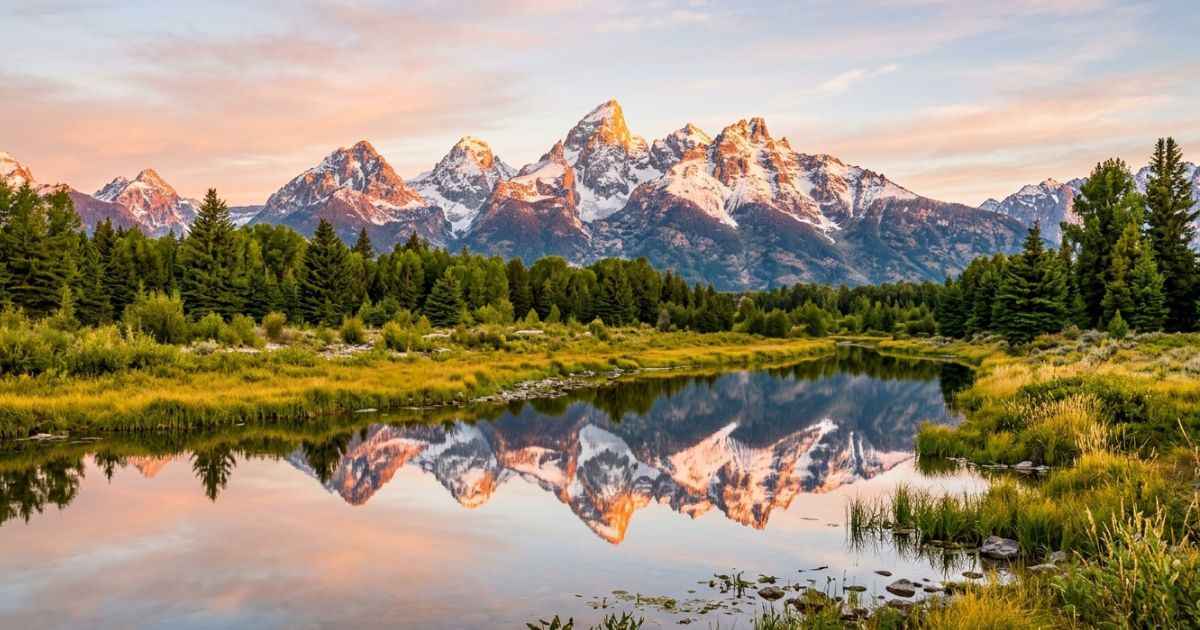
Finding the right things to do in Jackson Hole, Wyoming can feel overwhelming when you are trying to balance iconic mountain views, wildlife spotting, and outdoor adventure. This wide-angle valley sits framed by the jagged Teton Range and acts as a gateway to both Grand Teton and Yellowstone National Parks. Whether you want to hike alpine trails, explore western history, or relax by an alpine lake, this guide cuts through the noise to help you plan your ideal trip.
Top Must-Do Attractions and Experiences
Planning your daily schedule requires knowing which spots deliver the best rewards. Some locations demand early mornings to beat the rush, while others shine in the late afternoon light.
Grand Teton National Park and Jenny Lake
Grand Teton National Park protects sweeping valleys, glacial lakes, and towering peaks without requiring a timed-entry reservation. Jenny Lake remains the crown jewel of the park, offering a scenic boat shuttle and a trail leading to Hidden Falls and Inspiration Point.
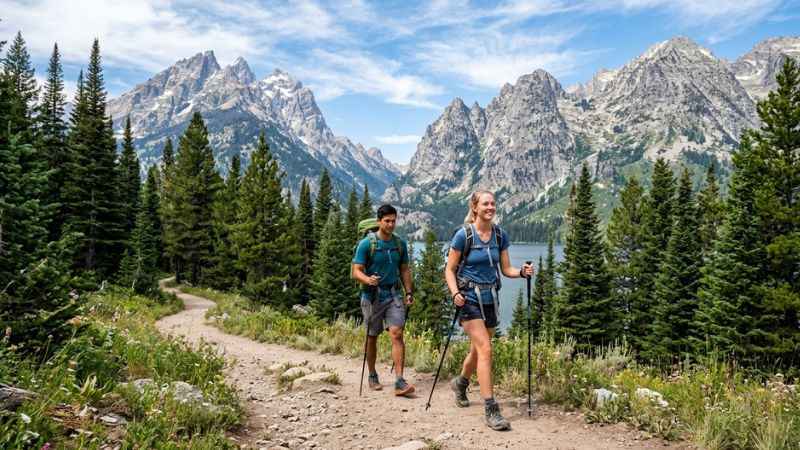
- Crowd Hack: Arrive at the Jenny Lake visitor center parking lot before 8:00 AM to secure a spot.
- 2026 Note: Death Canyon Road and Trailhead are closed from May 2026 through June 2027 for trailhead relocation and paving, so use Granite Canyon or Jackson Hole Mountain Resort trailheads as alternatives if you plan to hike that sector.
Jackson Hole Mountain Resort Aerial Tram
Riding the red aerial tram in Teton Village lifts you 4,139 vertical feet in twelve minutes. You arrive at the 10,450-foot summit of Rendezvous Mountain for panoramic views of the entire region.
- Top Tip: Step inside Corbet’s Cabin at the top to order world-famous waffles with specific named varieties including Gateway, Italian, Cobbler, Trad, and Belgian.
Snake River Rafting and Float Trips
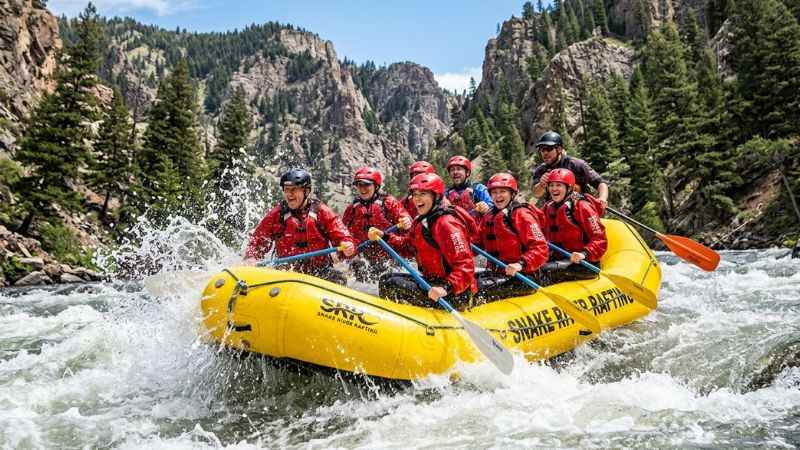
The Snake River splits the valley and offers two distinct river experiences depending on your adrenaline goals. Whitewater trips tackle splashy Class II-III rapids through the scenic Snake River Canyon. Scenic float trips use stable rafts suitable for all ages to spot bald eagles, moose, and beavers drifting along the water.
Seasonal Planning: When to Visit
Choosing the right month changes your entire experience, from weather patterns to wildlife activity.
| Season | Months | Typical Weather | Best For | What to Watch Out For |
| Spring | May to June | Seasonal conditions | Wildflowers, wildlife babies, fewer crowds | Muddy trails, snow on high routes |
| Summer | July to August | Seasonal conditions | Full trail access, long daylight hours | Crowded parking lots, afternoon storms |
| Fall | September to October | Seasonal conditions | Golden aspen leaves, elk bugling | Rapidly dropping nighttime temperatures |
| Winter | November to April | Seasonal conditions | World-class skiing, snowmobiling | Severe road conditions, freezing winds |
Authentic Local Culture in Jackson Town
The town of Jackson sits at the southern end of the valley and offers a distinct western culture. The historic Jackson Town Square is famous for its four grand arches constructed entirely from naturally-shed elk antlers woven and stacked around a steel framework. You can browse local art galleries, buy a custom felt hat, or grab a pastry at Persephone Bakery. Step inside the iconic Million Dollar Cowboy Bar to sit on authentic saddle barstools while listening to live country music.
Practical Tips for Your Trip
- Understand the Geography: Jackson is the actual town, while Jackson Hole is the entire geographic valley nestled between mountain ranges.
- Respect Wildlife Distance: Keep a safe distance from large animals at all times. Federal rules require staying at least 25 yards away from elk and moose, and at least 100 yards away from bears and wolves.
- Prepare for Altitude: The valley floor hovers near 6,500 feet, while mountain summits in the Teton Range exceed 13,000 feet, with Grand Teton standing at 13,770 feet. Drink plenty of water and pace yourself during your first physical activities.
- Pack Layers: Mountain weather shifts rapidly. A sunny morning can turn into a freezing afternoon thunderstorm within minutes, making a waterproof shell jacket essential gear.
Frequently Asked Questions
What is the difference between Jackson and Jackson Hole?
Jackson is the name of the main historic town at the south end of the valley. Jackson Hole refers to the entire large mountain valley surrounded by the Teton Range.
Do I need a reservation to enter Grand Teton National Park?
Grand Teton National Park does not use a vehicle reservation or timed-entry system. You can drive into the park freely with a standard park pass, though popular parking areas fill up early in the morning.
How many days do I need in Jackson Hole?
Plan for at least three to four days to experience the highlights. This gives you enough time to spend a full day exploring Grand Teton, a day riding the tram and rafting the river, and a day exploring the town and local museums.
When is the best time to see wildlife?
Early morning and late evening offer the highest chances of spotting wildlife like moose, elk, and bison. Joining a guided sunrise wildlife safari can also help you spot animals safely with the help of professional spotters.
Can I visit Yellowstone from Jackson Hole?
Yes, the south entrance of Yellowstone National Park sits about sixty miles north of Jackson. It makes for a long but very manageable day trip during the summer months.
To start planning your trip right now, check current road construction updates on the official Grand Teton National Park website to map out your daily driving routes.
You May Also Like:
Things to Do in Poconos: Your 2026 Playbook for Families, Couples & Adventurers
Things to Do in Bowling Green, KY: The Ultimate 2026 Guide (Beyond Corvettes)