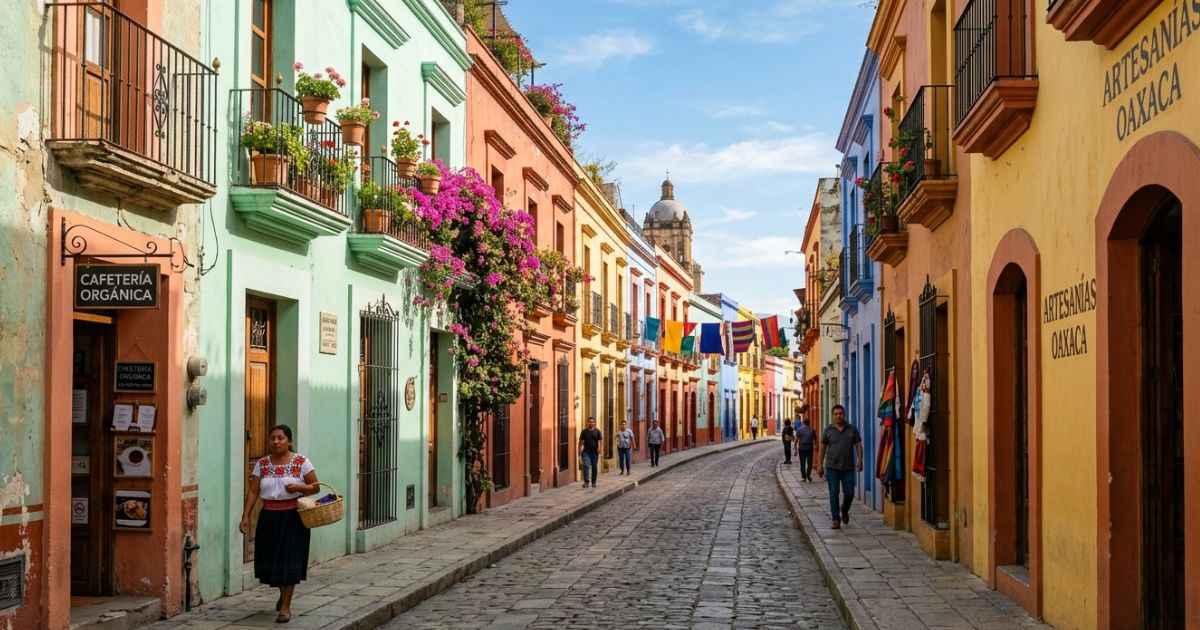
Planning a trip means looking for the best things to do in Oaxaca. Oaxaca is widely known for its regional cuisine, ancient ruins, and rich art traditions. Visitors often wonder if they should stay in the historic center or travel out to the valleys. This guide helps you choose the right activities based on your time, budget, and interests. Keep in mind that “Oaxaca” can refer to both the lively capital city and the wider surrounding state.
| Experience | Best for | Time needed | Area |
| Historic center | First-time visitors | 2 to 4 hours | Oaxaca City |
| Monte Albán | History fans | Half day | Near city |
| Food markets | Food lovers | 2 to 3 hours | Centro |
| Mezcal route | Drinks and culture | Half or full day | Central Valleys |
| Hierve el Agua | Nature lovers | Full day | Remote day trip |
The Best Things to Do in Oaxaca at a Glance
Travelers often look for a quick summary of top highlights. The best approach focuses on priority rather than trying to see everything at once.
- Walk the historic center and admire the colorful buildings.
- Visit Santo Domingo church and the local cultural museums.
- Eat your way through the bustling downtown food markets.
- Explore the ancient hilltop ruins of Monte Albán.
- Taste artisanal mezcal with a knowledgeable producer.
- Visit a nearby craft village to see weavers and carvers.
- View mineral formations and, where permitted, enter designated pools at Hierve el Agua.
- Wander through parts of Jalatlaco and Xochimilco to see colorful facades and murals.
- Take a hands-on cooking class with a local chef.
- Plan your trip around a major cultural festival if possible.
Explore Oaxaca City’s Historic Center
Oaxaca City features a historic center filled with stunning colonial architecture. Attractions across the central historic area vary in distance, access, and walking conditions.
Walk the Zócalo and surrounding streets
The Zócalo serves as main town square and beating heart of the city. Music and public performances are common here while locals and visitors relax on park benches. The Alameda de León provides a nearby public square with trees and seating. Early morning and late afternoon offer the best weather for wandering these paved streets.
Visit Santo Domingo and the cultural museums
The Templo de Santo Domingo de Guzmán features a richly gilded Baroque interior. Right next door, the Museo de las Culturas de Oaxaca displays important archaeological objects, including treasures associated with Tomb 7 at Monte Albán, subject to current exhibition arrangements. The adjacent Ethnobotanical Garden showcases native Oaxacan plants and their cultural uses across the state’s regions. Visits are generally guided and current schedules, language availability, fees, and reservation requirements must be checked directly with the garden.
Add smaller museums and cultural spaces
Smaller cultural spaces highlight the region’s deep artistic roots. Museo Textil de Oaxaca exhibits Mexican textile traditions, with especially strong relevance to Oaxaca and Indigenous textile practices. The Philatelic Museum displays unique stamps and hosts quiet courtyard art exhibits. Visitors can also check out local graphic arts and contemporary galleries around the downtown blocks.
See Oaxaca through street art
Colorful neighborhoods showcase the city’s modern creative spirit. Visitors can find colorful facades, murals, and street art in parts of Jalatlaco and Xochimilco. You can explore these quiet streets independently on foot or join a local walking tour to learn about the artists.
Eat Oaxaca’s Essential Foods
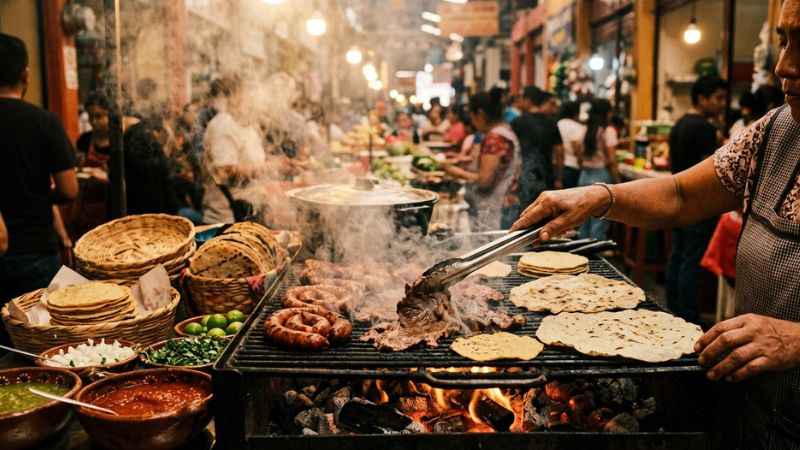
Food is one of the main reasons travelers fall in love with this region. Local markets and street stalls serve traditional dishes made with regional ingredients.
| Food or drink | Where to try it | What to expect |
| Mole | Markets or restaurants | Multiple rich regional styles |
| Tlayuda | Market or street stand | A large Oaxacan tortilla, commonly toasted or crisped and topped with beans, cheese, meat, and vegetables |
| Memela | Breakfast or market | Thick corn base with toppings |
| Tamales | Markets | Regional fillings wrapped in leaves |
| Tejate | Traditional drink stalls | A traditional nonalcoholic Oaxacan drink made from maize and ingredients such as cacao, mamey seed, and flor de cacao, depending on the recipe |
| Hot chocolate | Chocolate shops | Rich drink often whisked with water |
Start at Mercado 20 de Noviembre and Mercado Benito Juárez
Mercado Benito Juárez is a place to find food, produce, spices, sweets, souvenirs, and other merchandise. Mercado 20 de Noviembre is famous for its food stalls and the Pasillo de Humo. Many stalls allow customers to select grilled meats and buy accompanying tortillas and sides. You buy your meat by weight, grab some tortillas, and sit down to eat.
Try a food tour or cooking class
Taking a cooking class helps you understand the complex flavors of Oaxacan cuisine. Many cooking classes include a market visit, but the format varies by provider. Food lovers and curious home cooks benefit greatly from these hands-on experiences.
Taste mezcal with context
Mezcal is a distilled agave spirit. Some production methods give it smoky flavors, but not every mezcal is strongly smoky. A mezcalería is a tasting bar in the city, while in Oaxaca, a palenque generally refers to an artisanal mezcal production site, often associated with a producer or family operation. A well-designed visit may explain agave sourcing, production, and distillation. Always drink responsibly and support small local makers.
Visit Monte Albán and Other Archaeological Sites
Ancient history surrounds the valley and offers a window into early Mesoamerican civilizations.
Why Monte Albán is worth visiting
Monte Albán was a major Zapotec political and cultural center and one of the most important archaeological sites in Oaxaca. Perched high on a flattened mountain top, the site offers broad views across parts of Oaxaca’s Central Valleys. Visitors can walk across massive grand plazas, explore ancient ball courts, and view the Danzantes reliefs.
How to plan the visit
To visit Monte Albán, you can use a taxi, organized tour, or current public shuttle service, and verify route availability and fares before travel. Wear comfortable walking shoes, bring a hat, and arrive early in the morning to beat the afternoon heat. According to INAH, Monte Albán is open Monday through Sunday from 8:00 a.m. to 5:00 p.m., with last access at 4:00 p.m., and a general fee of MXN 210. Official visitor rules apply.
| Archaeological site | Main history | Travel time | Best for |
| Monte Albán | Zapotec center | Approximate range from central Oaxaca City | Epic scale and history |
| Mitla | Geometric stone tombs | Approximate range from central Oaxaca City | Detailed stone carvings |
| Cuilápam de Guerrero | Unfinished monastery | Approximate range from central Oaxaca City | Colonial architecture |
Choose the Right Oaxaca Day Trip
Exploring the wider valley requires careful planning because attractions are spread out.
Hierve el Agua
Hierve el Agua features stunning mineral formations that look like frozen waterfalls cascading down a cliff. Visitors can view mineral formations and, where permitted, enter designated pools. The route includes winding mountain roads and travel time varies by route and transport. Current access should be confirmed with local authorities or the community before departure, as access and fees can be locally managed and may vary.
Teotitlán del Valle and the textile route
Teotitlán del Valle is a quiet village famous for its traditional weaving. Many Teotitlán workshops produce wool textiles using natural dyes derived from plants, minerals, and insects. Buying directly can help more of the purchase price reach makers, but ask about authorship, materials, production, and pricing rather than assuming fair pay.
Alebrijes in Arrazola and San Martín Tilcajete
Alebrijes are brightly painted wooden folk art sculptures shaped like fantastic creatures. Some workshops in Arrazola and San Martín Tilcajete welcome visitors; arrange or confirm access in advance to see how artisans carve copal wood and hand-paint the figures, although techniques and materials vary.
Tlacolula and the Central Valleys
Tlacolula hosts a major and well-known Sunday market in the region. Vendors from surrounding communities travel to sell produce, crafts, and traditional foods. These destinations are often combined on organized routes, but allow enough time for the market and verify opening schedules.
Experience Oaxacan Art, Crafts, and Traditions
Traditional crafts and cultural practices remain a living part of daily life in the region.
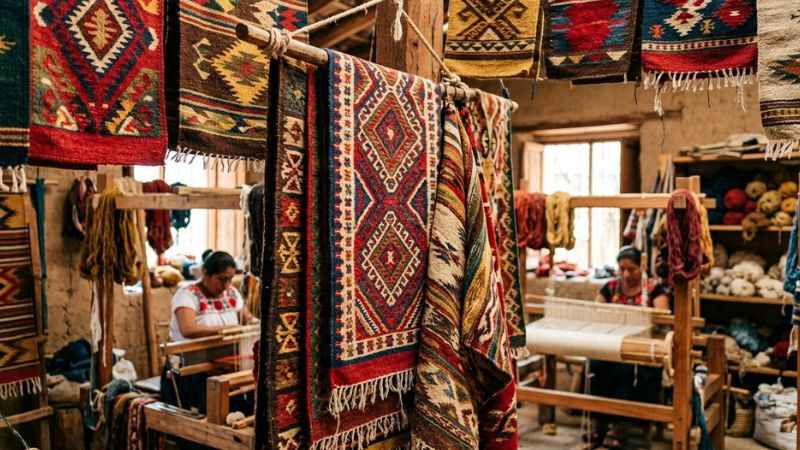
Shop for textiles, pottery, and alebrijes
Shopping for souvenirs offers a chance to learn about local artistry. When buying items like black clay pottery from Coyotepec or embroidered blouses, ask makers about their materials and production methods. Purchasing directly from responsible makers can support continuing craft practices and local livelihoods.
Attend a temazcal responsibly
A temazcal is a traditional Mesoamerican sweat-lodge or steam-bath practice. Ceremony, duration, herbs, chanting, and facilitation vary by community and provider. Check your personal health comfort levels and approach the experience with respect for its cultural roots.
Plan around Guelaguetza or Día de los Muertos
Major festivals transform the city with incredible music, dancing, and altars. Oaxaca’s public Day of the Dead program often begins in late October and continues into early November; the central observances are November 1 and 2. Check the annual official program. Guelaguetza’s main celebration is generally held in July, showcasing traditional dance groups from all over the state, with specific dates varying by year. Accommodation can sell out or become more expensive during major festival periods, so booking early is advisable.
Build an Oaxaca Itinerary by Trip Length
One day in Oaxaca
Spend your single day exploring the historic center, visiting the Santo Domingo church, and eating a market lunch. Enjoy a relaxed evening walking around the Zócalo and trying a local mezcal.
Two days in Oaxaca
Add a morning trip to Monte Albán and spend your afternoon visiting the Textile Museum or shopping in local artisan markets.
Three days in Oaxaca
Combine the city highlights and Monte Albán with a full day trip to Teotitlán del Valle, Mitla, or a mezcal palenque.
Four or more days
With four or more days, you can easily add a trip to Hierve el Agua, explore the craft villages, or take a day to relax in a local cafe. Avoid trying to squeeze too many distant sights into a single busy day.
Practical Planning: Costs, Transport, Weather, and Access
- Walkability: Oaxaca City center is very walkable, but sidewalks can be narrow and uneven.
- Getting around: Taxis are widely used and travelers should confirm the fare before departure or use an authorized service, while buses and colectivos connect Oaxaca City with many nearby communities, but travelers should confirm the departure point, route, and schedule locally.
- Cash needs: Carry enough Mexican pesos because many small markets and rural shops do not accept credit cards.
- Weather and comfort: Bring layers for cool mountain nights, sunscreen for high altitudes, and sturdy shoes for cobbled streets.
- Book ahead: Popular cooking classes, festival hotels, and guided garden tours require advance reservations.
Free, Family-Friendly, and Alternative Things to Do
Free or low-cost activities
Wandering through public plazas, admiring street murals in Jalatlaco, and browsing public markets cost nothing at all. Some museums may offer free or discounted entry on designated days.
Activities for families
Children enjoy tasting hot chocolate, watching artisans carve wooden animals, and visiting El Árbol del Tule, a famous Montezuma cypress known for its exceptionally broad trunk. Keep in mind that high afternoon heat and rocky ruins can tire young kids quickly.
Things to do at night
Evening brings lively energy to the city squares, street food vendors, and small music venues. Check local cultural schedules for outdoor concerts and dance performances.
Oaxaca FAQ
Is Oaxaca City walkable?
Yes, the historic center is compact and easy to explore on foot. However, you will need taxis or public transport to reach destinations outside the downtown core.
How many days do you need in Oaxaca?
Three to four days allows enough time to see the city highlights, explore Monte Albán, and take one day trip into the valleys.
Is Oaxaca safe for travelers?
Check current official government travel advisories and local authorities for security guidance. Use standard travel precautions and remain aware of your surroundings.
Can you visit Oaxaca without a car?
A car is not essential for many visitors, but independent travel to some villages and remote sites can be slower or more complicated; tours, taxis, or private drivers may be more practical.
Is Monte Albán worth visiting?
Yes, Monte Albán offers stunning architecture, deep historical importance, and panoramic views that make it a must-see archaeological site.
Is Hierve el Agua worth visiting?
Hierve el Agua is worth visiting for its unique petrified waterfalls and scenic views, provided you are prepared for a long and winding drive.Current Information and Source Check
You May Also Like:
The Strategic Visitor’s Guide: Best Things to Do in Mexico City
Things to Do in Cozumel: 25 Best Activities, Beaches & Day Trips