Last Updated: 3/Nov/2026
The best things to do in Korea depend on your time and interests. Seoul suits history, food, and city life. Busan suits beaches and seafood. Jeju suits hiking and volcanic scenery. Gyeongju suits ancient history. This guide helps you pick between them and plan realistic days.
Opening hours, fees, and ceremony times change. We link to official sources where they matter. Check them again before you travel.
The Best Things to Do in Korea at a Glance
Use this table to compare top experiences. Times are planning estimates, not rules.
| Experience | Best for | Suggested time | Booking or access note |
|---|---|---|---|
| Visit a royal palace in Seoul | History fans | Half day | Buy on site, but check each palace’s current rules |
| Wear a hanbok at a palace | First-timers | 2 to 4 hours | Rental is optional. Free entry has strict outfit rules |
| Eat at a traditional market | Food lovers | 2 to 3 hours | No booking needed |
| Relax at a jjimjilbang | Culture seekers | About 3 hours | Rules vary by venue |
| Explore Busan’s coast | Beach lovers | 1 to 2 days | Book intercity train seats if you travel from Seoul |
| Hike a mountain trail | Nature fans | Full day | Check current trail access |
| See Gyeongju’s heritage sites | History fans | 1 to 2 days | Sites are spread out |
| Visit Jeju Island | Nature lovers | 3 to 4 days | Plan transport around your route |
| Sing in a noraebang | Night owls | 1 to 2 hours | Usually rented by the hour |
| Take a day trip | Explorers | Full day | Varies by tour or route |
Which Korean Destination Fits You?
| If you want… | Choose |
|---|---|
| Palaces, shopping, food, and nightlife | Seoul |
| Beaches, seafood, and a coastal city | Busan |
| Hiking, coast, and volcanic landscapes | Jeju |
| Ancient royal tombs and temples | Gyeongju |
Most first trips work best with two or three bases. Each move between cities costs half a day or more once you add packing, transit, and check-in.
Things to Do in Seoul
Seoul is South Korea’s capital. It mixes modern skyscrapers with centuries-old palaces and temples.
Explore Seoul’s Royal Palaces
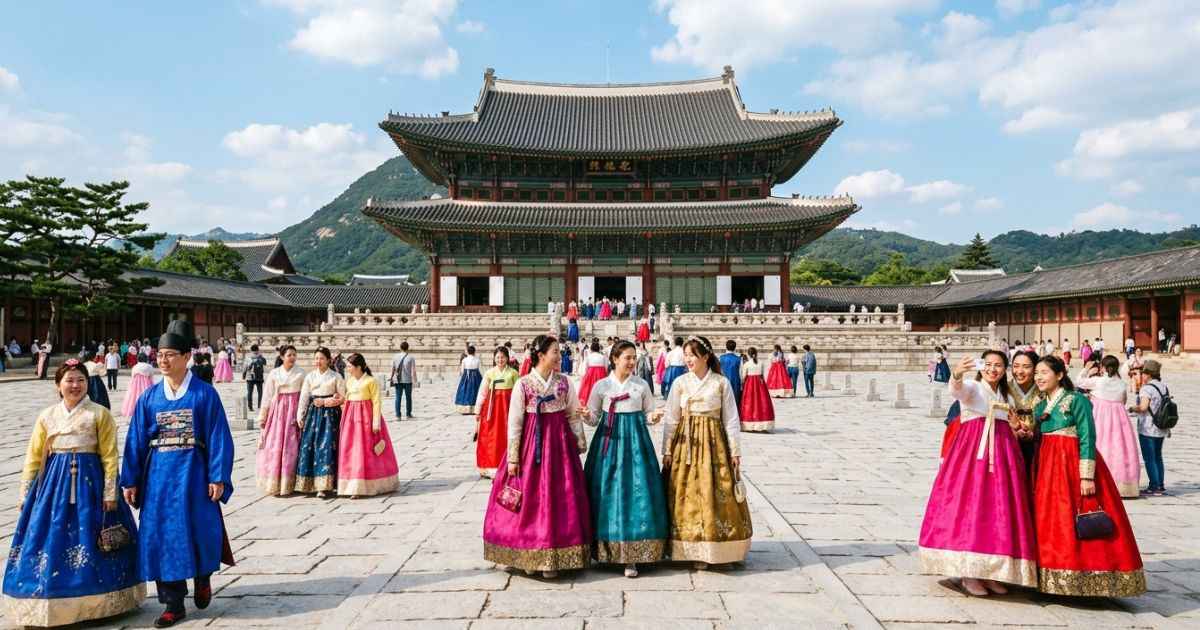
The Joseon Dynasty built Seoul’s main royal palaces. Gyeongbokgung is the best-known one, with wide courtyards and grand halls. Changdeokgung is known for Huwon, its rear garden. The garden may need a separate ticket, guided tour, or reservation. Check the official palace website first.
If you only have time for one palace, pick Gyeongbokgung. Try to see the royal guard changing ceremony at its main gate. It is listed at 10:00 a.m. and 2:00 p.m. Official listings say the schedule can change. Rain can cancel it. Officials also halted it during a severe heat wave in August 2026. Check the Visit Korea Official Website before you plan around it.
Get Free Palace Entry in a Hanbok
A hanbok is traditional Korean clothing. Visitors in an eligible hanbok can enter four Seoul palaces for free. They are Gyeongbokgung, Changdeokgung, Changgyeonggung, and Deoksugung.
The official guidelines accept both traditional and modern hanbok. Reports on the rules say the top must be a jeogori, the traditional jacket. The bottom must be a skirt or pants. A hanbok top with jeans does not qualify.
This policy may change. The heritage agency has said it plans to announce new admission fee guidelines, and news reports say free hanbok entry is under review. Check the official guidelines before you go.
Walk Traditional Neighborhoods
Bukchon Hanok Village is a hillside neighborhood of traditional houses. Insadong is known for tea houses, galleries, and craft shops. Ikseondong has narrow alleys with small cafés and bakeries in restored homes.
People live in these areas. Keep your voice down and respect private property signs. Local visitor rules can change, so check Seoul’s official tourism pages first.
Eat, Shop, and Explore After Dark
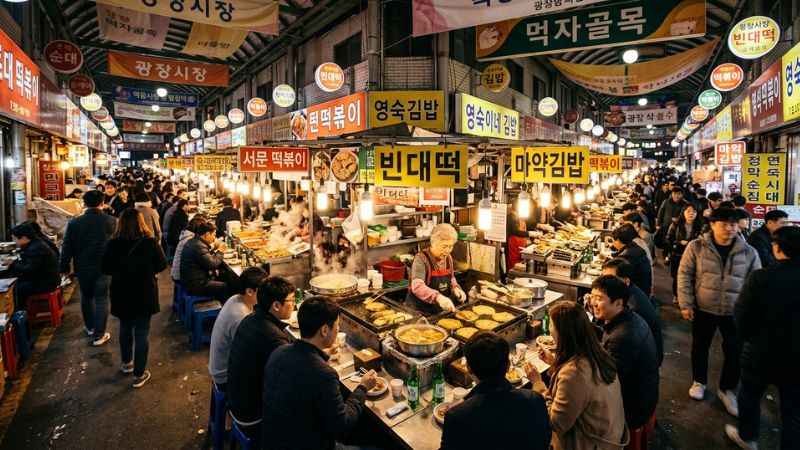
Gwangjang Market is a popular spot for market food such as mung bean pancakes and spicy rice cakes. Myeongdong is known for cosmetics shops and street food. Hongdae draws a younger crowd with live music, street performers, and nightlife.
Things to Do in Busan
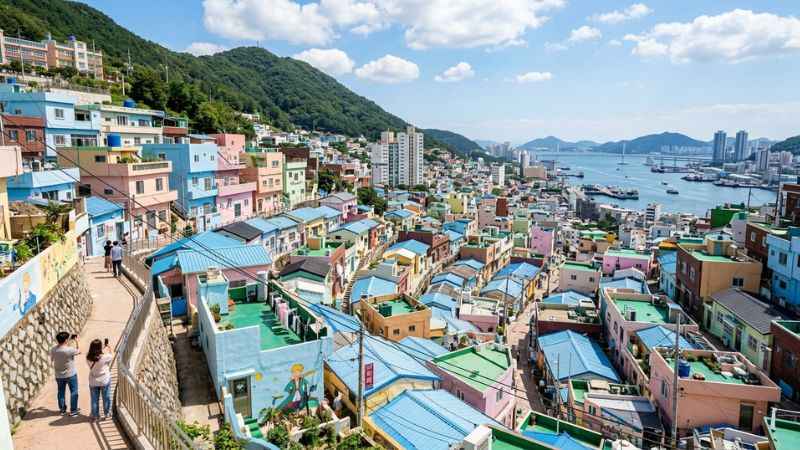
Busan is a port city on South Korea’s southeastern coast. It has beaches, seafood, and ocean views.
| Place | What to expect |
|---|---|
| Haeundae Beach | A well-known city beach. Check swimming-area and season information before you go |
| Gwangalli Beach | A good evening choice for views of the bridge lights |
| Gamcheon Culture Village | A hillside village with colorful buildings and art |
Visit Jagalchi and Other Markets
Jagalchi is a well-known seafood market. Many vendors sell live and dried seafood. Some market restaurants cook seafood you buy from vendors. The process can differ by stall, so ask how it works on arrival. Ask prices before you sit down.
Gukje Market sells a wide range of goods. Bupyeong Kkangtong Market is known for food stalls and night activity.
Things to Do on Jeju Island
Jeju is a volcanic island off South Korea’s southern coast. It suits hikers and travelers who like coastal scenery. Attractions are spread around the island, so your route decides how much time you need.
Hike or Walk Volcanic Landscapes
Hallasan is a dormant volcano and the highest mountain in South Korea. Its summit is about 1,947 meters (6,388 feet) high, according to national park information. Jeju also has hundreds of small volcanic cones called oreums. Trails range from easy walks to harder climbs.
The Jeju Olle Trail is a network of walking routes around the island. Each course mixes coast, villages, farmland, or forest in different ways. Pick a route by scenery, distance, and difficulty.
Plan Your Jeju Transport by Route
Choose your activities first. Then decide how to move around. A traveler who stays in one coastal area may need less transport than someone who wants to hike Hallasan and see several parts of the island. A rental car helps many visitors, but it is not required for every trip.
Historic Cities Beyond Seoul
Gyeongju: Silla Capital
Gyeongju was the capital of the Silla Kingdom. Its central area has royal tombs and historic sites. Bulguksa Temple is outside the central area, so plan separate travel. Give this stop one to two days if history is your priority. Skip it if you are short on time and not drawn to history.
Suwon Hwaseong Fortress
Suwon Hwaseong is a fortress in Suwon, south of central Seoul. You can walk along its long walls for city views. It works as a full-day trip from Seoul.
Jeonju Hanok Village
Jeonju’s official Hanok Village site lists about 735 hanok in the district. Many hanok now hold guesthouses, cafés, shops, and hanbok rental stores. Come for the traditional streets and local food. Expect a busy, commercial feel on weekends.
Nature and Outdoor Activities
South Korea has many mountains and national parks. Pick a park by your fitness level and season.
- Seoraksan National Park: Known for sharp granite peaks and autumn color.
- Bukhansan National Park: Reaches parts of Seoul and nearby Gyeonggi Province, so you can reach steep trails from the capital.
- Naejangsan National Park: Known mainly as an autumn foliage destination.
Foliage timing changes each year. Check current trail access and conditions before you hike.
Korean Food and Everyday Experiences
Foods to Try
- Korean barbecue: Pork belly or beef grilled at your table.
- Bibimbap: Rice topped with vegetables, meat, and chili paste.
- Kimchi: A family of fermented vegetable dishes served as a side. Napa cabbage kimchi is the best known.
- Tteokbokki: Chewy rice cakes in a sweet and spicy red sauce.
Try a Jjimjilbang or Noraebang
A jjimjilbang is a Korean bathhouse and sauna complex. It may have hot baths, heated rooms, relaxation areas, and overnight space. A noraebang is a private karaoke room rented by the hour. Rules and prices vary, so ask at the front desk.
Best Day Trips From Seoul
| Day trip | Best for | Time to allow | Main trade-off |
|---|---|---|---|
| Suwon | History and architecture | Full day | Less of a village feel |
| DMZ area | Modern history | Full day | May need an approved tour, advance booking, and ID |
| Nami Island | Scenic photos | Full day | Can be busy on weekends, holidays, and peak foliage |
| Gangneung | Coast and cafés | Long day or overnight | Longer travel time |
Judge a day trip by the full round trip, not just time on site. For Gangneung, an overnight stay may feel less rushed. DMZ access rules change, so confirm them with a current tour operator or tourism authority.
Which Korea Itinerary Fits Your Trip?
These are examples, not rules. Arrival and departure days rarely give you a full day of sightseeing.
Five days. Stay in Seoul. Add one easy day trip to Suwon or Nami Island.
Seven days. Combine Seoul and Busan. One possible split is four nights in Seoul and three in Busan. KTX high-speed trains are a common option between the cities. Check schedules and reserve seats. The travel day will cut into one sightseeing day.
Ten to fourteen days. You can add Gyeongju and Jeju. This works for travelers who accept several transfers. A slower trip with fewer bases is often easier. Some travelers drop one city to avoid rushing, as traveler discussions on Reddit show.
Practical Tips Before You Book
Transit Cards and Intercity Travel
VISITKOREA explains transit cards for visitors. T-money cards are sold and reloaded at convenience stores such as GS25, CU, and 7-Eleven. You can use them on subways and buses, and at shops that show the logo. A T-money card covers local rides. Long-distance trains such as KTX are booked separately.
Navigation Apps
Naver Map and Kakao Map work well for walking and transit directions. Install at least one before you leave. Save the name and address of each place you plan to visit. If an English search fails, try the Korean name or the address. Check the route before you start.
Cash and Cards
Many Korean businesses accept international cards, but not all do. Carry a backup card and some Korean won. This helps at markets, small vendors, and some transport situations.
Check Before You Go
Confirm opening hours, ceremony times, ticket rules, and seasonal access on official sites. Palace schedules and fees can change during the year. One official notice, for example, set a temporary free-admission period at Gyeongbokgung for part of fall 2026.
Common Korea Planning Mistakes
- Packing too much in: Moving hotels almost every night wears you out.
- Skipping transfer time: Count the whole trip door to door.
- Trusting old schedules: Check ceremonies and opening hours close to your date.
- No rain plan: Keep indoor options ready for outdoor days.
- Ignoring etiquette: Keep your voice down on transit and in residential areas.
Frequently Asked Questions
What are the best things to do in South Korea?
Top experiences include Seoul’s royal palaces, traditional markets, mountain hikes, and coastal time in Busan or Jeju. Gyeongju adds ancient history. Choose based on your interests and trip length.
How many days do you need in Korea?
Five days fits Seoul and one day trip. Seven days can fit Seoul and Busan, but travel time reduces sightseeing. Ten to fourteen days can add Gyeongju and Jeju, though the pace may feel fast.
Should first-time visitors choose Seoul or Busan?
Seoul has more history, shopping, and food variety. Busan is more relaxed, with beaches and seafood. On a short trip, many travelers pick Seoul first and add Busan if time allows.
What should I book in advance?
Book intercity train seats if you travel between cities. Check whether Changdeokgung’s rear garden, a DMZ tour, or any popular activity needs a reservation. Do not assume every attraction needs one.
How do I get free palace entry in a hanbok?
Wear a complete eligible hanbok, with a jeogori top and a skirt or pants bottom. Check the official guidelines first, because the program is under review.
What are some free things to do in South Korea?
You can walk Cheonggyecheon stream, explore traditional neighborhoods, and visit public parks. Entry may be free, but transport, food, rentals, and special programs often cost extra.
You May Also Like:
Things to Do in Taiwan: Experiences, Places, and Itinerary Ideas
Best Things to Do in Tokyo: 25 Experiences for First-Time Visitors