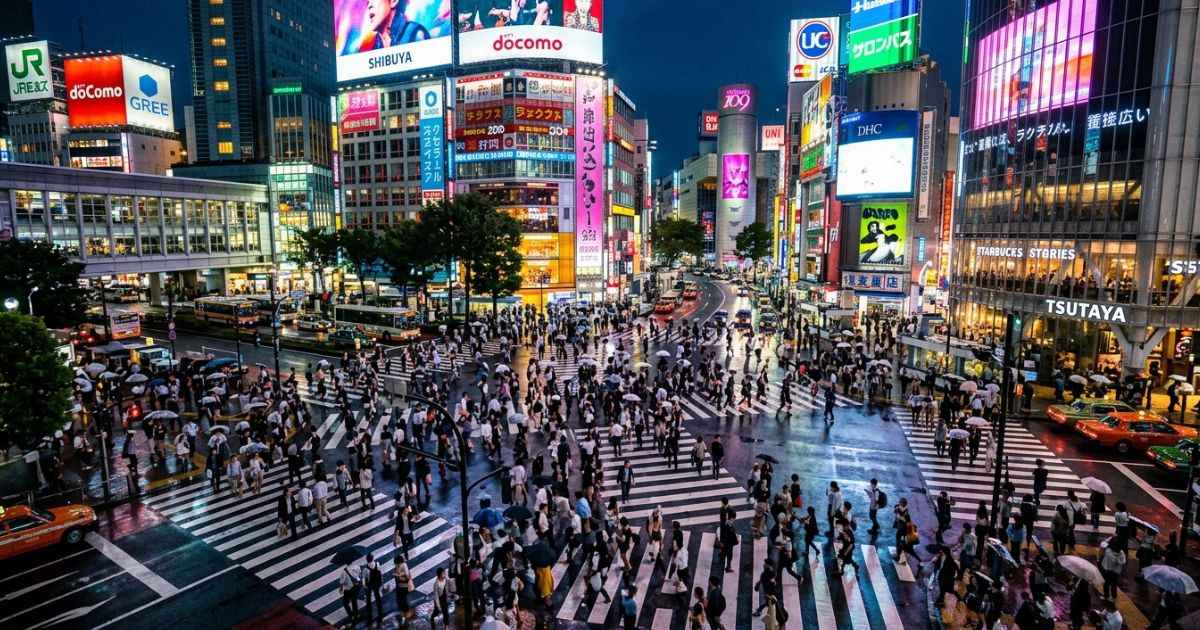
Tokyo is best experienced through contrasts: historic Asakusa, modern Shibuya, food-focused markets, neighborhood walks, and immersive art. This guide prioritizes experiences and explains which attractions are worth time, money, or advance planning.
The best things to do in Tokyo include visiting Sensō-ji, crossing Shibuya Scramble, exploring Meiji Jingu and Harajuku, enjoying a city view, experiencing teamLab, eating through Tokyo’s markets and neighborhoods, and spending time in less-touristy districts such as Yanaka or Koenji.
Tokyo is Japan’s capital, located in the Kantō region on the southeastern side of Honshu around Tokyo Bay. It blends ancient temples with futuristic skyscrapers.
The 10 Tokyo Experiences to Prioritize
Choosing what to do first helps you make the most of your trip. Here are the top ten experiences to put at the top of your list.
| Experience | Best for | Time Needed | Cost Category | Reservation |
| Sensō-ji and Asakusa | First visit and history | 2–3 hours | Free, optional paid activities | Usually no |
| Shibuya Crossing and Shibuya Sky | City energy and views | 2–4 hours | Mixed | Often required for viewpoint |
| Meiji Jingu and Harajuku | Shrine, fashion, and parks | 2–3 hours | Mostly free | No |
| teamLab Borderless or Planets | Digital art | 2–3 hours | Paid | Usually yes |
| Tsukiji Outer Market | Food | 1.5–3 hours | Pay as you eat | Usually no |
| Shinjuku after dark | Nightlife and food | 3–5 hours | Variable | Venue-dependent |
| Tokyo National Museum and Ueno | Art and history | 3–5 hours | Paid or mixed | Check current policy |
| A Tokyo observation deck | Panoramic views | 1–2 hours | Free or paid | Venue-dependent |
| A Japanese garden | Quiet scenery | 1.5–3 hours | Free or paid | Usually no |
| A neighborhood walk | Local atmosphere | 2–4 hours | Mostly free | No |
Tokyo’s Best Traditional Experiences
Traditional spots offer a look into Japan’s deep history and spiritual roots. These locations provide a quiet break from the busy neon streets.
Visit Sensō-ji in Asakusa
Sensō-ji is widely recognized as Tokyo’s oldest temple and is a Buddhist temple in Asakusa. Visitors enter through Kaminarimon, marked by its enormous red lantern.
Nakamise-dori is the bustling shopping street leading up to the main hall, lined with small shops selling traditional snacks and souvenirs. Visit early in the morning before the crowds arrive for a peaceful walk.
Walk through Meiji Jingu and Harajuku
Meiji Jingu is a grand Shinto shrine dedicated to Emperor Meiji and Empress Shoken. Meiji Jingu is surrounded by a largely man-made forest of about 70 hectares, with an entrance near Harajuku Station.
After visiting the quiet shrine grounds, you can walk over to Takeshita Street in Harajuku for youth fashion, colorful treats, and quirky shops.
Explore the Imperial Palace area and gardens
The Imperial Palace is the Emperor of Japan’s principal residence and workplace; parts of the grounds, including the East Gardens, are open to visitors under set access rules. The palace’s private areas are generally not open for ordinary sightseeing, although special public-access days occur. Visitors can enter the Imperial Palace East Gardens free of charge when they are open; check closure days before visiting. Stone walls, moats, and former castle remains reveal the history of Edo Castle.
Add a tea ceremony, kimono, or sumo experience
A tea ceremony introduces visitors to matcha preparation, hospitality, utensils, and traditional etiquette. Visitors can book kimono rentals from specialist providers, often for a fixed period in areas such as Asakusa; check the provider’s return time and conditions.
For sports fans, watching a live sumo tournament or visiting a stable offers a look at Sumo, Japan’s traditional national sport.
The Best Tokyo Views and Modern Landmarks
Tokyo’s skyline is packed with towering observation decks and futuristic architecture. Choosing the right viewpoint depends on your budget and what you want to see.
| Viewpoint | Best for | Main advantage | Watch-outs |
| Shibuya Sky | Open-air urban views | Directly above Shibuya | Weather and timed entry |
| Tokyo Skytree | Height and Tokyo Bay views | Very high observation decks | Can be hazy or crowded |
| Tokyo Tower | Iconic photographs | Classic Tokyo landmark | View is less centered on Tokyo Tower itself |
| Tokyo Metropolitan Government Building | Budget travelers | Free city view | Check current hours and queues |
| Tokyo Station or Ginza rooftops | Architecture and evening atmosphere | Central location | Access varies |
Choose between Tokyo Tower, Skytree, and Shibuya Sky
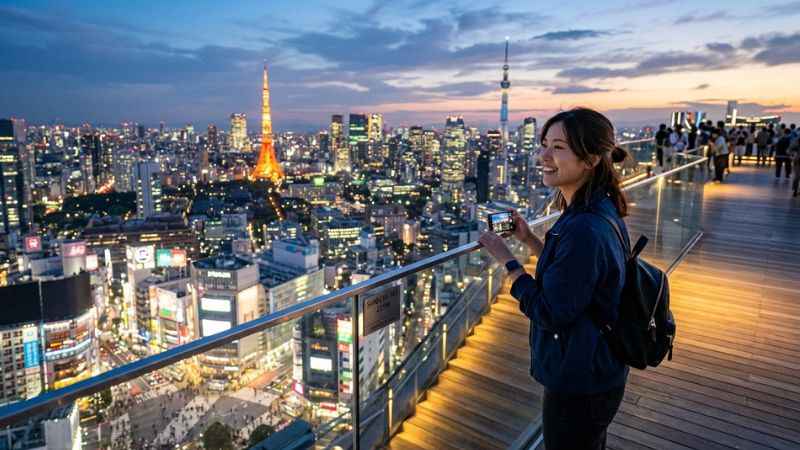
SHIBUYA SKY is an open-air observation area about 229 metres above Shibuya, offering views over the Shibuya Scramble area. Tokyo Skytree is 634 metres tall, with observation decks at 350 and 450 metres. On clear days, Tokyo Skytree offers wide views across Tokyo and the surrounding Kantō region. Tokyo Tower is a 333-metre landmark completed in 1958 and is often compared visually with the Eiffel Tower.
Visit teamLab Borderless or teamLab Planets
teamLab venues use immersive digital artworks involving light, sound, imagery, space, and visitor interaction. teamLab Planets includes immersive water installations that visitors experience without shoes; bring clothing that can get wet or use the provided rental shorts where appropriate. Check official availability and book ahead for preferred dates and times; tickets can sell out, and Planets uses timed-entry tickets.
Where to Eat and Drink in Tokyo
Tokyo offers a very large range of dining options, from casual street food to high-end multi-course meals.
Eat at Tsukiji Outer Market
Tsukiji Outer Market combines wholesale and retail shops selling seafood, vegetables, traditional Japanese ingredients, prepared foods, and restaurant meals. Visitors can find seafood, grilled foods, and sweets from vendors and restaurants; follow each shop’s instructions about where to eat. Arrive in the morning, when many shops and restaurants are operating; check individual opening times and market closure days.
Compare Tsukiji and Toyosu
| Feature | Tsukiji Outer Market | Toyosu Market |
| Atmosphere | Bustling, historic street market | Modern, industrial wholesale facility |
| Market Function | Retail food stalls and public restaurants | Wholesale seafood auctions and trade |
| Best Food | Street snacks, fresh sushi, wagyu skewers | Sit-down sushi restaurants near the trade floors |
| Ideal Visitor | Travelers wanting street food and vibrant stalls | Visitors wanting a modern market view or tuna auction |
Explore Shinjuku’s Omoide Yokocho and Golden Gai
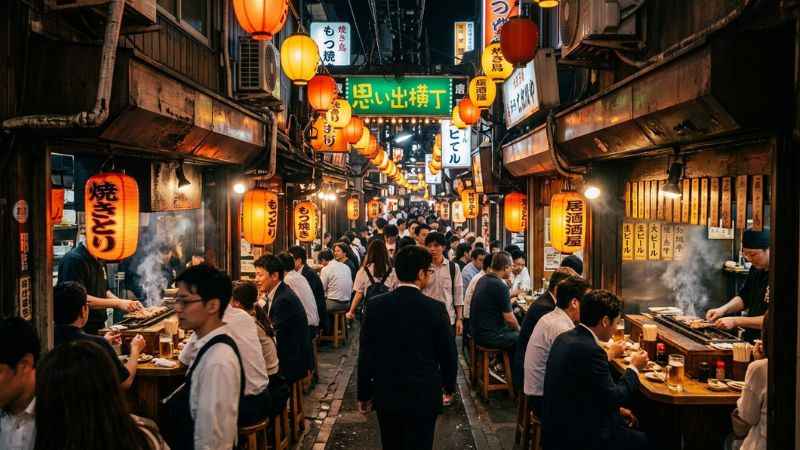
Omoide Yokocho is a narrow alleyway near Shinjuku Station filled with tiny yakitori stands grilling chicken skewers over charcoal. Golden Gai is a compact Shinjuku nightlife district made up of several narrow lanes and many small bars. Some bars charge a cover fee and have very limited seating; check the venue’s sign or ask before entering.
Try neighborhood food beyond the famous markets
You can find amazing bowls of ramen at small counter-service shops across the city. Depachika are department-store food halls selling prepared meals, bento, sweets, pastries, and other specialty foods. Traditional kissaten are retro coffeehouses that may serve brewed coffee, desserts, and light meals.
Tokyo Neighborhoods Worth Exploring
| Neighborhood | Best for |
| Asakusa | Traditional Tokyo and temple streets |
| Shibuya | Youth culture, shopping, and nightlife |
| Shinjuku | Skyscrapers, food, and late-night energy |
| Harajuku | Shrine, fashion, and cafés |
| Ueno | Museums, parks, and affordable food |
| Akihabara | Anime, manga, games, and electronics |
| Yanaka | Older streets and a slower pace |
| Shimokitazawa | Vintage stores, cafés, and live music |
| Koenji | Local nightlife and subculture |
| Nakameguro | Canal walks, cafés, and boutiques |
| Ginza | Department stores, design, and upscale dining |
Best neighborhoods for first-time visitors
First-time visitors should focus on central hubs that offer easy train connections. Group Asakusa and Ueno for history and museums, and pair Shibuya and Harajuku for modern shopping and street culture. Shinjuku makes an ideal base for evening dining and nightlife.
Best less-touristy neighborhoods
Yanaka is known for older residential streets, temples, and a slower-paced atmosphere associated with prewar Tokyo. Shimokitazawa is known for live music, independent shops, cafés, and vintage clothing. Nakameguro has cafés, boutiques, and paths along the Meguro River; the area can become very crowded during seasonal events.
Free Things to Do in Tokyo
You do not need to spend a lot of money to enjoy Tokyo’s best sights. Many top cultural spots charge no admission fee at all.
- Sensō-ji grounds: Walk through the temple gates and courtyards without paying an entry fee.
- Meiji Jingu: Explore the peaceful forested shrine grounds in the heart of the city.
- Shibuya Crossing: Watch the massive crowds surge across the pedestrian crossing.
- Harajuku and Yoyogi Park: Stroll through wide green spaces and vibrant shopping streets.
- Tokyo Metropolitan Government Building observation room: The Tokyo Metropolitan Government Building offers free observatory views from about 202 metres above Shinjuku, subject to closure days and inspections.
- Ueno Park: Ueno Park is free to enter and is especially popular during cherry-blossom season.
- Imperial Palace East Gardens: The East Gardens are free when open; check the Imperial Household Agency’s current schedule before visiting.
- Neighborhood walks: Wander through quiet residential districts like Yanaka to see daily local life.
Best Things to Do by Trip Length
Smart route planning helps you see the highlights without wasting hours on trains.
One day in Tokyo
Start your morning with a visit to Sensō-ji Temple in Asakusa. Ride the train to Shibuya for lunch, cross the scramble, and head up Shibuya Sky for sunset views. Finish with dinner in Shibuya, or take a short train ride to Shinjuku for a different nightlife district.
Two days in Tokyo
Day 1 covers the historic highlights of Asakusa, Ueno Park, and the Imperial Palace gardens. Day 2 focuses on modern Tokyo, including Meiji Jingu, Harajuku fashion streets, and an evening in Shinjuku.
Three days in Tokyo
Day 3 adds a morning visit to Tsukiji Outer Market; book a guided food tour separately if desired, an afternoon exploring Akihabara’s electronics and anime shops, and a relaxing evening in a quiet neighborhood like Nakameguro.
Four or more days
With four or more days, consider a half- or full-day visit to Mount Takao, or a full-day trip to Kamakura, depending on weather and transport conditions.
Best Tokyo Activities for Different Travelers
- Best for couples: Consider SHIBUYA SKY around sunset, followed by dinner in Nakameguro if you have a reservation and suitable travel time.
- Best for families with children: Families may enjoy teamLab, Ueno Zoo, and Ueno Park; check age, height, water, stroller, and admission policies before choosing.
- Best for solo travelers: Wandering through Akihabara’s multi-story game centers and eating at solo ramen counter bars.
- Best for young adults: Experiencing the nightlife in Shinjuku and thrift shopping in Shimokitazawa.
- Best for food-focused travelers: Sampling street bites at Tsukiji Outer Market and trying traditional-style sushi.
- Best for anime and gaming fans: Hunting for rare collectibles in Akihabara and Nakano Broadway.
- Best for travelers on a budget: Exploring free temples, public parks, and department store food halls.
- Best for repeat visitors: Discovering local subcultures in Koenji and exploring old residential streets in Yanaka.
What to Book and What to Plan
Some of Tokyo’s most popular attractions require advanced planning because tickets sell out.
- teamLab: Check the official ticket calendar early and reserve the date and time you want; booking several weeks ahead is not universally required.
- Ghibli Museum: Purchase Ghibli Museum tickets only through the current official sales channels and verify the release schedule before planning around a visit.
- Shibuya Sky: Reserve a timed slot in advance if sunset is important to your itinerary, and check the official availability calendar.
- Popular themed experiences: Secure reservations early for high-demand cafes and shows.
- Sumo tournaments: Check the official Japan Sumo Association schedule and ticket information as soon as your travel dates are known.
Tokyo Planning Mistakes to Avoid
- Overloading your schedule: Do not try to visit distant neighborhoods on opposite sides of the city in a single afternoon.
- Assuming the city is small: Tokyo covers a massive area, so always factor in train transfer times.
- Ignoring timed tickets: Check each attraction’s late-arrival policy; some timed-entry tickets may not allow late admission.
- Arriving late at markets: Visit food markets in the morning when stalls are fully stocked and active.
- Forgetting seasonal weather: Plan clothing for Tokyo’s seasonal conditions, including summer heat, humidity, and rain; check the forecast before departure.
Frequently Asked Questions About Tokyo
What should I not miss in Tokyo?
First-time visitors should not miss the historic grounds of Sensō-ji Temple, the energy of Shibuya Crossing, the forest at Meiji Jingu, and a panoramic city view from a major observation deck.
What are the top five things to do in Tokyo?
Five strong first-time options include visiting Sensō-ji, walking through Meiji Jingu, crossing Shibuya Scramble, exploring Tsukiji Outer Market, and experiencing teamLab digital art.
Is four days in Tokyo too much?
Four days is enough for many visitors to see several major neighborhoods without an overly compressed schedule, depending on pace and plans.
What are the best free things to do in Tokyo?
Walking through Meiji Jingu, visiting Ueno Park, exploring Sensō-ji, and taking in the skyline from the Tokyo Metropolitan Government Building observation room cost nothing.
What are the best things to do in Tokyo at night?
Exploring the neon alleys of Shinjuku, visiting Omoide Yokocho for skewers, and walking through Shibuya after dark offer incredible evening energy.
What are the best things to do in Tokyo for couples?
Couples enjoy sunset views from Shibuya Sky, quiet walks through Hama-rikyu Gardens, and dinner in the charming alleys of Nakameguro.
What are the best things to do in Tokyo with kids?
Families enjoy exploring teamLab digital art installations, visiting Ueno Park, and discovering local parks.
What are the best non-touristy things to do in Tokyo?
Wandering the old residential streets of Yanaka, browsing vintage shops in Shimokitazawa, and enjoying local life in Koenji provide a quieter experience.
Sources and Last-Checked Information
Operating details should be checked on official websites before travel.
You May Also Like: Things to Do in Taiwan: Experiences, Places, and Itinerary Ideas