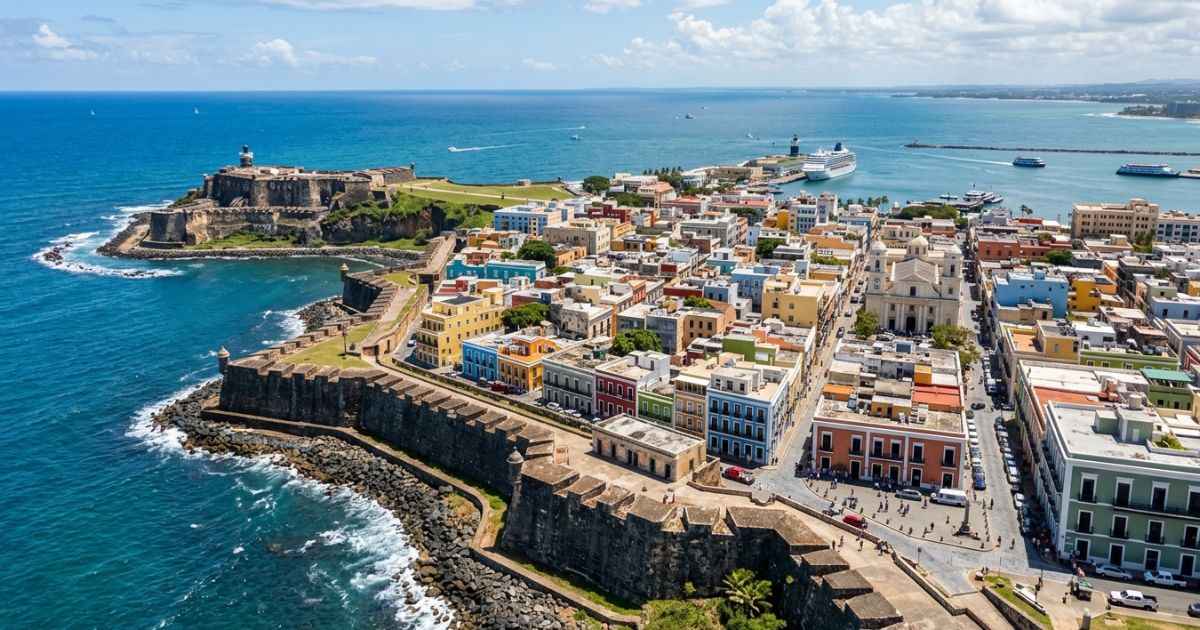
San Juan is a vibrant Caribbean destination that combines a historic district, sandy beaches, bold Puerto Rican food, buzzing nightlife, and access to day trips, with travel times and logistics that vary substantially. Whether you are staying for a weekend, arriving on a cruise ship, or planning a longer tropical vacation, this guide is organized by area, activity, and traveler type to help you plan your trip.
If you are looking for five essential experiences for many first-time visitors in San Juan, Puerto Rico, here are five recommendations to start your trip:
- Walk through the historic streets of Old San Juan.
- Explore the massive stone forts of El Morro and Castillo San Cristóbal.
- Relax or swim at a local beach suited to your style.
- Eat local food like mofongo and experience live music.
- Take one realistic day trip, such as visiting El Yunque National Forest.
The Best Things to Do in San Juan at a Glance
This quick comparison table helps you choose activities based on location, time needed, cost, and who the activity suits best.
| Experience | Area | Time Needed | Cost Category | Best For |
| Old San Juan walk | Old San Juan | Half day | Free to moderate | First-time visitors |
| El Morro | Old San Juan | Allow roughly 1.5–2 hours for many visits, depending on pace and access. | Paid | History and ocean views |
| El Escambrón | Puerta de Tierra | 2 to 4 hours | Low | Swimming and snorkeling |
| Santurce and La Placita | Santurce | Evening | Varies | Food and nightlife |
| El Yunque | East of San Juan | Full day | Varies | Nature and hiking |
| Casa BACARDÍ | Cataño | Can fit into a half-day plan, but allow additional time for transport and verify current tour schedules. | Paid | Rum tours and adults |
| Culebra or Icacos | Offshore excursion | Usually a full-day excursion with moderate-to-high cost, depending on transport and tour type. | High | Beaches and boating |
Explore Old San Juan on Foot
Old San Juan is a historic neighborhood filled with Spanish colonial architecture, some of Old San Juan’s historic streets feature distinctive blue-tinted cobblestones, and fortifications whose construction began in the sixteenth century and continued through later periods. Old San Juan is best explored primarily on foot, although visitors should plan for hills, uneven surfaces, heat, and occasional transport between areas.
Walk the colorful colonial streets and plazas
The historic district features bright pastel buildings with wooden balconies, small neighborhood squares, and massive defensive city walls. Walk along Calle de la Fortaleza and view the exterior area around La Fortaleza, the governor’s official residence; access is controlled and may be restricted, then visit Plaza de Armas and Plaza de Colón for shaded benches and local street life. Head down Paseo de la Princesa is a waterfront promenade along the southern side of the historic district, near the city walls and looks out over San Juan Bay.
Visit Castillo San Felipe del Morro
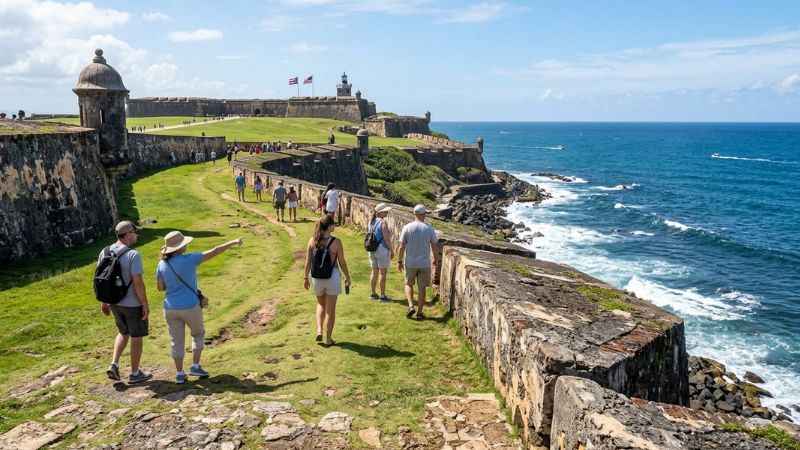
El Morro is a Spanish fortification whose construction began in the sixteenth century and continued through later periods perched on a high promontory at the entrance to San Juan Bay. The fort contains tunnels, interior rooms, ramps, batteries, and defensive walls, and broad grassy lawns where the lawn near El Morro is popular for kite flying; visitors should follow posted National Park Service rules on windy afternoons. Allow roughly 1.5–2 hours for many visits, depending on pace and access. The San Juan National Historic Site currently charges visitors ages 16 and older; children 15 and younger enter free. Verify the current fee before visiting.
Visit Castillo San Cristóbal
The National Park Service describes Castillo San Cristóbal as the largest fortification built by the Spanish in the Americas, San Cristóbal was built primarily to protect San Juan from land attacks, complementing El Morro’s defense of the harbor. It differs from El Morro with its deep tunnels, dry moats, and multi-layered defensive design. Visitors who enjoy military history should tour both structures to understand how the Spanish protected their Caribbean capital.
See the cathedral, San Juan Gate, and historic cemetery
Several key landmarks sit close together within the walkable grid of the old city. San Juan Cathedral is traditionally identified as the burial place of Juan Ponce de León, while San Juan Gate is the surviving one of the city’s four principal historic gates. Just a short walk away, the cemetery occupies a prominent site along the Atlantic-facing edge of Old San Juan with white marble monuments and striking coastal views.
Choose a walking route
Begin your morning on the eastern edge of Old San Juan near Castillo San Cristóbal, then walk west toward Plaza de Armas for a morning snack. Continue downhill toward the water to finish your route near Paseo de la Princesa as the afternoon sun begins to cool.
Find the Right San Juan Beach
San Juan offers several distinct beaches ranging from calm swimming spots to active surfing areas.
| Beach | Best for | Watch-outs |
| El Escambrón | Swimming and beginner snorkeling | Facilities and conditions can vary. |
| Condado Beach | Central location and people-watching | Surf may be stronger than expected. |
| Ocean Park | Local atmosphere, beach walks, and water sports | Conditions vary; check surf. |
| Isla Verde | Broad beach and resort convenience | More commercial and farther from Old San Juan. |
| Carolina Beach | Space and easy resort access | Less convenient for a historic-district itinerary. |
Best beach for swimming and snorkeling
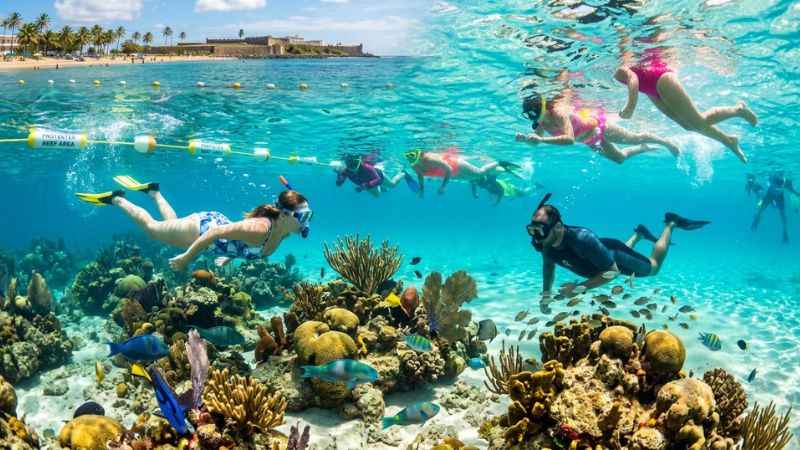
El Escambrón is a relatively sheltered beach that is often favored for swimming and snorkeling, but conditions can change and should be checked locally. Snorkelers may see reef fish; marine wildlife sightings, including sea turtles, are not guaranteed.
Best beach for surfing and water sports
Ocean Park and some sections of Condado are used for surfing and other water sports, but suitability varies by conditions and activity. Check local operators and surf reports before entering the water because currents can change quickly based on offshore weather.
Beach safety and practical planning
Always apply high-SPF sunscreen, stay hydrated, and use beaches with clearly identified swimming areas and lifeguards where available, obey posted warnings, and avoid entering the water during rough surf or strong-current conditions. Keep your valuables secure, or use a waterproof pouch if you are swimming alone on a less crowded stretch of sand.
Eat Puerto Rican Food and Experience Local Culture
Puerto Rican cuisine combines Spanish, Taíno, and African culinary traditions into rich, comforting dishes seasoned with fresh herbs and spices.
Foods to try
Mofongo is one of Puerto Rico’s best-known dishes made from mashed fried green plantains mixed with garlic, broth, and fillings like shrimp or pork. Other popular items include Lechón is slow-roasted pork served throughout Puerto Rico; Guavate in the central highlands is particularly known for lechoneras, and savory fried snacks like alcapurrias and bacalaitos. Other savory dishes include pastelón.
Where to look for food experiences
You can find traditional restaurants throughout Old San Juan, while the Santurce neighborhood offers contemporary dining and food markets. La Placita is a historic market area that functions as a daytime market and becomes a nightlife district after sunset; individual vendor and venue hours vary at night. Piñones, in the nearby Carolina/Loíza coastal area, is reachable from San Juan but travel time varies with traffic.
Learn through music, art, and neighborhood culture
Music is central to daily life in San Juan, with Bomba and plena are Afro–Puerto Rican musical traditions with African, Caribbean, and local historical influences, alongside Caribbean salsa, played across local venues and plazas. Walk through Santurce to view large-scale street murals, or visit the Museo de Arte de Puerto Rico for Puerto Rican art and changing exhibitions.
Try a piña colada or Puerto Rican rum
Puerto Rico is famous for rum production and tropical cocktails. Barrachina and the Caribe Hilton are the best-known competing claimants to the piña colada’s San Juan origin, the drink remains a refreshing staple across virtually every local restaurant and beachside kiosk.
Experience San Juan After Dark
San Juan offers active nightlife ranging from relaxed outdoor plazas to energetic dance clubs and cocktail lounges.
- La Placita becomes a busy nightlife area, particularly Thursday through Saturday, with bars, restaurants, music, and dancing.
- Salsa clubs and live music venues: Look for spots featuring live bands playing traditional Caribbean rhythms.
- La Factoría is a well-known Old San Juan cocktail bar; verify current hours, entry policies, and room availability before visiting.
- Sunset walks and evening dining: Enjoy a quiet evening stroll along the waterfront before sitting down for late dinner service.
When heading out at night, Taxis and rideshare services can be practical for moving between nightlife areas; verify current pickup rules and use standard personal-safety precautions. Dress comfortably for warm evening temperatures, and be mindful of noise levels in residential historic areas.
Choose the Best Day Trip from San Juan
While San Juan and its surrounding metropolitan area can support several days of sightseeing, dining, beaches, and excursions, many travelers want to explore other parts of the island.
| Day trip | Best for | Time commitment | Main limitation |
| El Yunque National Forest | Hiking and waterfalls | Full day | Access and conditions need checking. |
| Culebra | Beaches and snorkeling | Full day or overnight | Long transfer and weather dependence. |
| Icacos | Catamaran and beach day | Full day | Tour and sea conditions matter. |
| Bioluminescent bay | Night kayaking | Long day or overnight | Not inside San Juan; darkness and weather matter. |
| Piñones and Carolina | Food, coast, and easier local outing | Half day | Less historic sightseeing. |
| Casa BACARDÍ | Rum and bay views | Can fit into a half-day plan, but allow additional time for transport and verify current tour schedules. | Requires crossing to Cataño. |
Is El Yunque worth visiting from San Juan?
El Yunque National Forest is the only tropical rainforest within the U.S. National Forest System, El Yunque is approximately 25 miles from the San Juan metropolitan area and often takes about an hour or more by car, depending on traffic and conditions. It is worth visiting for travelers who want to El Yunque offers rainforest trails, streams, waterfalls, and abundant tropical vegetation, subject to trail and facility conditions. Check the Forest Service’s current access, road, trail, parking, and reservation requirements for the specific area you plan to visit before driving out.
Should you choose Culebra, Icacos, or a bioluminescent bay?
Culebra is known for white-sand beaches including Flamenco Beach, but getting there requires a long drive to Fajardo followed by a ferry or a small flight. Icacos is commonly visited on boat or catamaran excursions departing from the Fajardo area; tours are weather- and availability-dependent. The closest major option to San Juan is Laguna Grande near Fajardo; Mosquito Bay requires travel to Vieques, while La Parguera is on Puerto Rico’s southwest coast.
Free and Budget-Friendly Things to Do in San Juan
You do not need to spend a lot of money to experience the best parts of the city. Many top cultural sights cost nothing to enjoy.
- Walking the historic streets and plazas of Old San Juan.
- Viewing the exterior stone city walls and historic defensive gates.
- Strolling along Paseo de la Princesa to watch the sunset over the bay.
- Visiting public beaches like Condado Beach and Ocean Park.
- Admiring public street art and murals in the Santurce neighborhood.
Clearly distinguish free outdoor access from paid interior admission. Some exterior walls, gates, streets, and surrounding public areas can be viewed free of charge; entry into El Morro and San Cristóbal requires the applicable National Park Service admission ticket.
Best San Juan Activities by Traveler Type
For first-time visitors
Focus on the core highlights: a full morning walking Old San Juan, a tour of El Morro, a relaxing afternoon at El Escambrón beach, a traditional mofongo dinner, and an evening exploring Santurce.
For couples
Plan a romantic sunset walk along Paseo de la Princesa, book an evening food tour, spend a beach day at Ocean Park, and finish with a sunset catamaran cruise on the bay.
For families with kids
Take children to fly kites on the large grassy lawn outside El Morro, El Escambrón is often considered one of the more sheltered San Juan beaches, but check posted warnings and local conditions before swimming, visit the children’s museum, and take an easy family-friendly nature walk.
For solo travelers
Join a guided walking tour of the historic district, visit local art museums, book a group excursion to El Yunque, and use daytime beach visits to meet other travelers safely.
For cruise passengers
Stick to a compact walking route in Old San Juan, visit one fort, and grab a cold drink near the waterfront. Avoid distant excursions unless your ship is in port overnight and your transport is guaranteed.
San Juan Itineraries for One, Two, and Three Days
One day in San Juan
Spend your morning walking the blue cobblestone streets of Old San Juan and touring El Morro. Have a casual lunch of local alcapurrias, then visit the San Juan Cathedral and the waterfront in the afternoon before enjoying a traditional dinner.
Two days in San Juan
Follow your first-day historic itinerary, then dedicate your second day to a beach morning at El Escambrón followed by an afternoon exploring the street art and evening food scene in Santurce.
Three days in San Juan
Add either a day trip to El Yunque National Forest or a boat excursion to Icacos Island on your third day, making sure to check weather forecasts and transport schedules in advance.
Longer than three days
Spend extra days slowing down your pace, exploring nearby neighborhoods like Miramar or Piñones, taking a rum tour at Casa BACARDÍ, or visitors can consider traveling to Cataño by the currently available public or private transport options; verify routes and schedules before planning the trip.
Practical Tips Before Visiting San Juan
- Transportation: A rental car is most useful for independent exploration outside the urban core, but tours, taxis, ferries, and transfers can provide alternatives.
- Weather and clothing: Pack light, breathable clothing, comfortable walking shoes for uneven cobblestones, and rain gear for sudden tropical showers.
- Money and tipping: Puerto Rico uses the U.S. dollar, Cards are widely accepted at established businesses, but carry some cash for small vendors, kiosks, markets, and contingencies.
- Reservations: Book popular tours, boat excursions, and timed or capacity-controlled rainforest activities in advance; verify whether the forts or specific ranger programs require reservations.
Frequently Asked Questions
What is the number-one thing to do in San Juan?
Walking Old San Juan and visiting El Morro are among the most commonly recommended first-visit experiences.
Is Old San Juan walkable?
Much of Old San Juan is compact and walkable, but visitors should expect hills, uneven cobblestones, heat, and limited accessibility in some areas.
How many days do you need in San Juan?
Three days is a practical starting point for combining Old San Juan, a beach or neighborhood day, and one excursion, although the ideal length depends on your plans.
What are the best free things to do?
Walking the historic colonial streets, admiring public street art in Santurce, strolling down Paseo de la Princesa, and relaxing on public beaches like Ocean Park cost nothing at all.
What are the best things to do at night?
Experiencing live music and dancing salsa in La Placita de Santurce, enjoying craft cocktails at La Factoría, and taking a quiet evening walk along the illuminated waterfront are top nighttime activities.
What is the best beach in San Juan?
El Escambrón is often a strong choice for swimming and beginner snorkeling, especially when conditions are favorable, while Condado and Ocean Park are popular for beach walks and water sports.
Is El Yunque a realistic day trip from San Juan?
El Yunque is a feasible day trip from San Juan, but it requires advance planning and can involve substantial driving. Always check official trail conditions and parking rules before you drive out.
Do you need a car in San Juan?
Many visitors can manage without a car if staying in or near Old San Juan, Condado, or other central areas; a car becomes more useful for El Yunque, Piñones, and destinations outside the urban core.
You May Also Like:
Things to Do in San Francisco: Must-See Attractions, Local Experiences, and Easy Itineraries
Things to Do in San Antonio: The Complete Local Travel Guide