Planning a trip means discovering world-class live jazz, historic oak-lined streets, and iconic Creole meals. To find the absolute best things to do in New Orleans, you need to look beyond the crowded bars of Bourbon Street. Discovering local neighborhood haunts, historic museums, and peaceful bayous reveals the true heart of Crescent City culture.
New Orleans travel requires up-to-date planning information. Major festival calendars have shifted, with Jazz Fest running from April 23 to May 3, 2026. General adult admission for top attractions like the National WWII Museum sits at $36, while riding the historic transit system costs just $1.25 using a digital pass app. This guide gives you the exact facts, current prices, and local secrets to build a seamless trip.
Top 10 Things to Do in New Orleans

Finding your bearings in Crescent City starts with a core list of iconic experiences. These ten highlights cover history, food, music, and nature across the city’s most famous districts.
- Explore the French Quarter & Jackson Square: Walk around Jackson Square and admire the historic ironwork balconies.
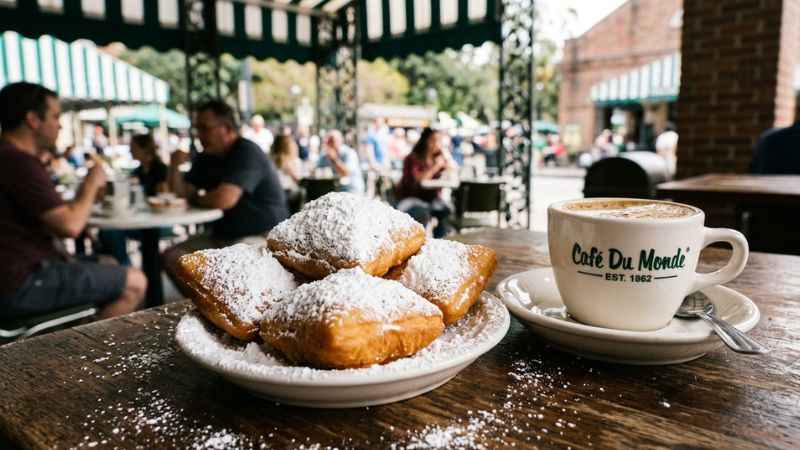
- Eat Beignets at Café du Monde: Taste hot powdered-sugar pastries at the original Decatur Street stand or the peaceful City Park location.
- Visit the National WWII Museum: Spend half a day touring interactive exhibits, restored aircraft, and historical artifacts.
- Hear Live Jazz on Frenchmen Street: Skip the tourist bars to catch real local brass bands in the Faubourg Marigny.
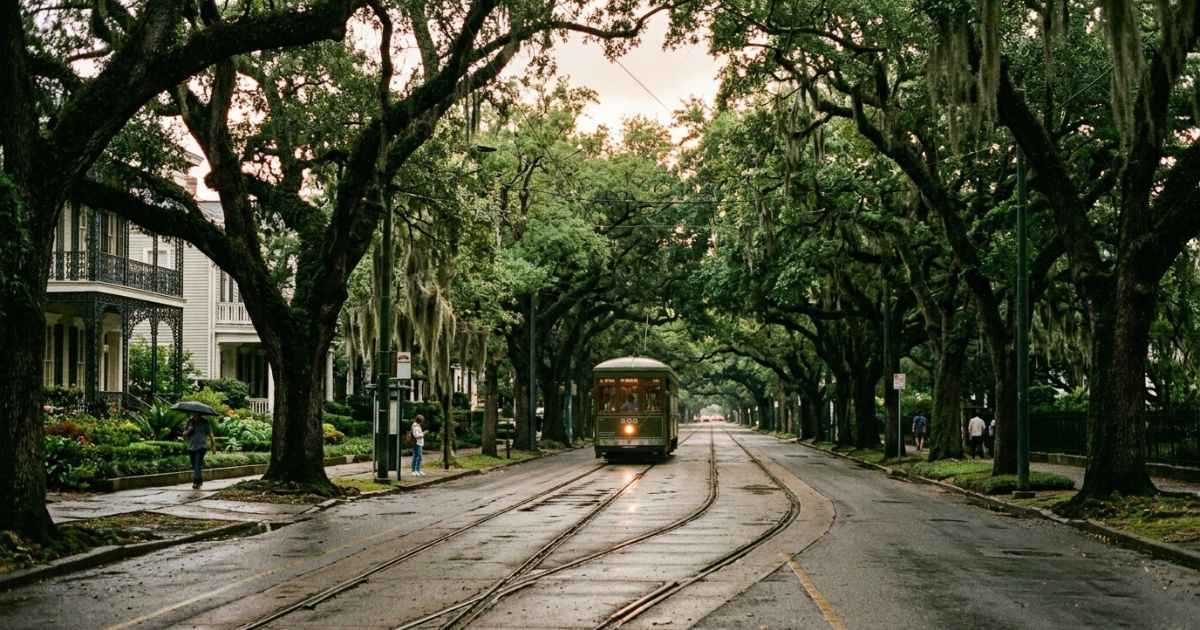
- Stroll the Garden District: Walk past massive 19th-century mansions framed by ancient southern live oak trees.
- Ride the St. Charles Streetcar: Take a historic streetcar ride past historic homes and university campuses for $1.25.
- Walk Through City Park: Explore 1,300 acres of green space, botanical gardens, and the New Orleans Museum of Art.
- Tour a Historic Cemetery: Take an official guided tour of St. Louis Cemetery No. 1 ($20–$25 per person) to view above-ground stone tombs.
- Take a Swamp or Bayou Tour: Ride an airboat or covered boat through surrounding marshlands to spot wild alligators.
- Attend a Local Festival: Catch free outdoor concerts at the French Quarter Festival or buy tickets for Jazz Fest.
New Orleans Neighborhoods: Where to Go & What to Do
New Orleans is a city defined by distinct neighborhood vibes. Knowing where to head helps you match your daily schedule to your personal travel style.
French Quarter (Vieux Carré)
The French Quarter is historic, lively, and packed with round-the-clock energy. Must-see highlights include St. Louis Cathedral, the historic French Market, and Royal Street antique shops.
Local Secret: Visit Decatur Street around 7:00 AM to get hot beignets without waiting in a long line. Walk down Royal Street during the afternoon when the city blocks vehicular traffic, turning the street into a pedestrian mall filled with classical musicians and street performers. Avoid eating main sit-down meals directly on Bourbon Street, where restaurants often charge higher prices for lower quality food.
Garden District & Uptown
The Garden District offers quiet, residential streets shaded by massive oak trees. Key activities include taking self-guided architectural walks, shopping along Magazine Street, and enjoying classic Creole dining.
To get there, board the St. Charles streetcar on Canal Street and ride it down through Uptown to Carrollton Avenue. You will glide past historic homes, Tulane University, and Loyola University for the cost of a single transit fare.
Marigny & Bywater
Marigny and Bywater are artsy neighborhoods located just east of the French Quarter. These residential areas feature colorful double-shotgun houses, independent coffee shops, and local art markets.
Skip the crowded clubs on Bourbon Street and head to Frenchmen Street instead. Venues like The Spotted Cat Music Club and d.b.a. host top local jazz groups every night of the week. After the show, walk over to Crescent Park to watch river ships pass along the Mississippi River.
Tremé
Tremé holds deep cultural meaning as the oldest African American neighborhood in the United States and the birthplace of jazz.
Start your morning at Congo Square inside Louis Armstrong Park, where enslaved people historically gathered on Sundays to play drums and trade goods. Stop by Kermit’s Tremé Mother-in-Law Lounge to hear live brass bands while eating homemade red beans and rice. Treat this residential area with care and respect local neighborhood traditions.
Warehouse District & CBD
The Warehouse District features modern art spaces, industrial loft spaces, and major museums right next to the Central Business District (CBD).
Spend your morning exploring the National WWII Museum, then walk two blocks over to the Contemporary Arts Center. If you visit on August 1, 2026, attend White Linen Night, an evening event (5–10 p.m.) where locals dress in white to browse open art galleries along Julia Street.
Mid-City
Mid-City is a relaxed, family-friendly neighborhood centered around large parks and natural waterways. It serves as home to City Park and sits near the historic Fair Grounds Race Course.
Rent a bicycle inside City Park to explore its 1,300 acres of green space. You can view the open-air Sydney and Walda Besthoff Sculpture Garden for free, or enjoy a quiet afternoon walk along Bayou St. John.
New Orleans Food & Drink: What to Eat & Where
Sampling local food is an essential part of visiting New Orleans. Creole cuisine blends French, Spanish, West African, and Native American flavors into rich, savory dishes.
Iconic Dishes to Try
- Beignets: Deep-fried square dough pastries covered in powdered sugar.
- Gumbo: A rich soup made with dark roux, seafood, or chicken and smoked sausage.
- Po-Boys: Crusty French bread sandwiches filled with fried oysters, shrimp, or slow-cooked roast beef.
- Jambalaya: A seasoned rice dish cooked in one pot with chicken, sausage, and Creole spices.
- Crawfish Étouffée: A buttery seafood stew served over white rice.
- Muffuletta: A round Italian sandwich packed with salami, ham, provolone, and marinated olive salad.
Top Restaurants & Cafés
| Restaurant | Specialty Dish | Neighborhood | Average Price | Practical Tips |
| Café du Monde | Beignets & Chicory Coffee | French Quarter & City Park | $5 – $10 | The City Park location offers shorter lines and easy outdoor seating. |
| Commander’s Palace | Creole Brunch & Turtle Soup | Garden District | $30 – $50 | Reserve tables weeks in advance; business attire dress code (jackets preferred for gentlemen at dinner; no shorts, flip-flops, or t-shirts). |
| Galatoire’s | Classic Creole Seafood | French Quarter | $25 – $40 | Established in 1905, Galatoire’s is a historic French Quarter Creole restaurant famous for its Friday lunch tradition. |
| Cochon | Cajun Pork & Wood-Fired Meats | Warehouse District | $20 – $35 | Casual atmosphere featuring bold, authentic Cajun flavors. |
| Morning Call | Traditional Beignets | Mid-City | $5 – $10 | A cash-focused spot favored by locals looking to avoid tourists. |
Cocktails & Classic Bars
- Sazerac: The official cocktail of New Orleans, made with rye whiskey, absinthe, and Peychaud’s bitters. Visit the Sazerac House on Canal Street for free interactive exhibits and tastings.
- Hurricane: A sweet rum cocktail served in a tall glass at Pat O’Brien’s bar.
- Carousel Bar: Located inside Hotel Monteleone, this historic bar slowly rotates around a central hub while patrons sit and drink.
Music & Culture: Jazz, Festivals & Live Venues
New Orleans is the official birthplace of jazz music. Live street bands, blues musicians, and brass ensembles bring energy to venue stages every single night.
Best Jazz Venues
- Preservation Hall: A rustic venue in the French Quarter dedicated strictly to traditional acoustic jazz. Tickets sell out quickly.
- The Spotted Cat Music Club: A cozy venue on Frenchmen Street that hosts local swing, jazz, and blues groups.
- Tipitina’s: A famous Uptown venue founded by local musicians, ideal for big funk, brass, and rock shows.
- Kermit’s Tremé Mother-in-Law Lounge: An authentic neighborhood venue run by musician Kermit Ruffins.
Major 2026 Festival Calendar
- French Quarter Festival (Mid-April, 2026 dates TBA): Free multi-stage music festival spread throughout the historic French Quarter.
- New Orleans Jazz & Heritage Festival (April 23 – May 3, 2026): Held at the Fair Grounds Race Course with single-day tickets starting around $85 (official pricing TBA).
- Essence Festival (July 3 – July 5, 2026): Major music, culture, and empowerment festival at the Caesars Superdome.
- White Linen Night (August 1, 2026, 5–10 p.m.): Warehouse District block party featuring open gallery walks and local drinks.
- Dirty Linen Night (August 8, 2026, free admission; $20 wristband for raffle tickets): Royal Street art walk held in the French Quarter.
- Red Dress Run (August 8, 2026, $69–$89 registration): A fun charity run (2026 location: Crescent Park) where participants wear red dresses through Bywater, Marigny, and French Quarter neighborhoods.
Day Trips & Outdoor Adventures
Swamp & Bayou Tours
Louisiana wetlands sit just 30 to 45 minutes outside the city center. Choosing the right boat type depends on your personal preferences.
| Boat Type | Speed & Vibe | Tour Experience | Average Cost |
| Airboat Tours | Fast, loud, and thrilling | Small groups that travel deep into shallow, muddy marshland. | Approximate 2026 pricing; varies by operator. |
| Covered Pontoon Boats | Slow, quiet, and shaded | Eco-focused guides explain wetland plants, birds, and alligators. | Approximate 2026 pricing; varies by operator. |
Tip: Choose eco-certified tour operators that respect wild habitats and avoid feeding alligators.
Historic Plantation Tours
Plantation sites sit along the Mississippi River roughly 45 to 60 minutes upriver from the city. Entry fees average $25 to $35 per person.
- Whitney Plantation: Focuses directly on the real history, working conditions, and personal stories of enslaved people.
- Laura Plantation: Highlights Creole family heritage and historical slave cabins.
- Oak Alley Plantation: Famous for its historic canopy of 300-year-old oak trees leading to the main house.
Tip: Book tours that center the lives and history of enslaved people rather than focusing only on old antebellum houses.
Mississippi River Cruises
- Steamboat Natchez: A traditional paddle-wheel vessel offering two-hour daytime jazz brunch cruises ($60–$80).
- City of New Orleans: A modern riverboat offering evening dinner cruises with live jazz entertainment.
Getting Around New Orleans: Transportation Guide
Navigating the city is simple once you know how to use streetcars, taxis, and rideshares.
How to Ride the Streetcar
- Stand on the median strip, locally known as the “neutral ground.”
- Board through the front doors of the streetcar.
- Pay $1.25 in exact cash or scan your Le Pass mobile app QR code.
- Pull the overhead cord or press the yellow strip to request your stop.
- Exit through the rear doors carefully onto the neutral ground.
Transit Options Compared
| Transport Method | Typical Cost | Best Used For | Key Details |
| Streetcars (RTA) | $1.25 single ride / $3.00 day pass | Garden District, Mid-City, French Quarter travel | St. Charles line runs 24/7 along the median. |
| Rideshare (Uber/Lyft) | $10 – $20 per trip | Late-night transit, cross-city trips | Widely available across all main neighborhoods. |
| Airport Taxi | $36 flat rate (1 passenger) | Getting from the airport to downtown | Adds $15 per person for additional passengers. |
| Bicycle Rental | $15 – $25 per day | Exploring City Park and Bayou St. John | Flat terrain makes city riding easy for visitors. |
When to Visit New Orleans: Weather, Festivals & Crowds
- Spring (March to May): Offers pleasant weather with daily temperatures in the 70s and 80s. This season hosts major festivals like Jazz Fest and French Quarter Fest, making it popular and expensive.
- Fall (October to November): Brings cooler days, mild humidity, and smaller crowds. It is a great time to enjoy outdoor dining, Halloween parades, and discounted hotel rates.
- Summer (June to August): Brings heat above 90°F and high humidity. Travelers visiting during summer can find low hotel rates, free museum discounts during August Museum Month, and air-conditioned indoor spaces.
- Winter (December to February): Brings mild weather in the 60s. Mardi Gras takes place on February 17, 2026, drawing large parade crowds to the city center.
Is New Orleans Safe? Practical Safety Tips
New Orleans hosts millions of visitors safely every year. Staying aware of your surroundings keeps your trip smooth and trouble-free.
Neighborhood Safety Breakdown
- French Quarter: Well-patrolled and busy, but watch out for pickpockets on Bourbon Street late at night.
- Garden District: Safe residential area during the day; keep to well-lit streets at night.
- Warehouse District / CBD: Safe museum area with steady daytime traffic.
- Marigny / Bywater: Generally safe, but avoid walking alone down unlit side streets after dark.
- Past Rampart Street: Avoid walking east of Rampart Street behind the French Quarter late at night.
Everyday Safety Rules
- Keep your mobile phone stored in a front pocket on crowded streets to prevent phone snatchers.
- Use Uber or Lyft when returning to your hotel after midnight.
- Avoid carrying large amounts of cash; use well-lit indoor ATMs instead.
- Park personal vehicles inside staffed parking garages rather than leaving them on street spots overnight.
- Call 911 for immediate emergencies, or contact NOPD for non-emergencies.
New Orleans Itineraries: 2, 3, and 4-Day Plans
2-Day Itinerary (Quick Highlights)
- Day 1: Explore Jackson Square, pick up beignets at Café du Monde, and walk down Royal Street. Hear traditional jazz at Preservation Hall in the evening.
- Day 2: Ride the St. Charles streetcar through the Garden District. Look at historic mansions, eat lunch on Magazine Street, and spend your afternoon at the National WWII Museum.
3-Day Itinerary (First-Timer’s Perfect Trip)
- Day 1: Arrive early for beignets at 7:00 AM. Explore the French Market, stroll through the Bywater neighborhood, and spend your evening catching live music on Frenchmen Street.
- Day 2: Ride the St. Charles streetcar down to Uptown. Browse local shops on Magazine Street and enjoy a classic Creole dinner at Galatoire’s or Cochon.
- Day 3: Tour the National WWII Museum in the morning. Head to City Park in the afternoon to view the Sculpture Garden, then take an evening swamp boat tour.
4-Day Itinerary (Deep Culture Dive)
- Day 4: Spend your morning in Tremé learning about jazz history at Congo Square. Take an afternoon tour of the Whitney Plantation, then wrap up your trip with an evening Mississippi River cruise.
Budget Tips: Free & Low-Cost Things to Do
You do not need a large travel budget to experience local culture. Many top activities cost very little or are free to the public.
- Free Sights: Walk around Jackson Square, explore the 1,300 acres of City Park, and visit the Sydney and Walda Besthoff Sculpture Garden.
- Low-Cost Values: Buy a streetcar pass for $1.25, order fresh beignets for $5.00, or claim a student or military WWII Museum ticket for $26.00.
- Money-Saving Tip: Travel during August to enjoy COOLinary restaurant deals (2026 details TBA), which offer fixed-price lunch and dinner menus at top local establishments.
Skip This: Tourist Traps to Avoid
- Bourbon Street Restaurants: Most sit-down spots on Bourbon Street charge high prices for average food. Walk two blocks over to Royal Street or visit Frenchmen Street for far better meals.
- All-You-Can-Eat Seafood Buffets: These spots target tourists and often serve low-quality frozen seafood. Visit neighborhood boil houses instead.
- Unlicensed Ghost Tours: Many late-night walking tours tell exaggerated horror stories. Book historically verified walking tours through recognized preservation groups.
- Street Performers Asking for Money First: If someone places a prop on you or starts cleaning your shoes without asking, firmly say “No thank you” and keep walking.
FAQ: Common Questions About Visiting New Orleans
Is New Orleans safe for tourists?
Yes, provided you stick to well-traveled tourist areas like the French Quarter, Garden District, and Warehouse District. Always travel in groups at night and use rideshare services when moving between neighborhoods after dark.
When is the best time to visit New Orleans?
Spring (March to May) and fall (October to November) offer the best weather and mild temperatures. Summer is hot but offers low hotel rates, while winter brings mild days and Mardi Gras parades.
How much does it cost to visit New Orleans?
Mid-range travelers should plan to spend $100 to $150 per day per person for meals, transit, and attraction tickets. Streetcar rides cost $1.25, WWII Museum entry is $36, and swamp tours run $50 to $70.
Are plantation tours worth it?
Yes, provided you choose ethical sites like the Whitney Plantation that focus directly on the history and lives of enslaved people.
How do I get from the airport to the French Quarter?
Official airport taxis charge a flat rate of $36 for one passenger, plus $15 for each additional person. Rideshare services like Uber generally cost between $35 and $45.
What food should I try in New Orleans?
Be sure to sample beignets, gumbo, po-boys, jambalaya, crawfish étouffée, muffuletta sandwiches, and a Sazerac cocktail.
Is 3 days enough for New Orleans?
Yes, three days gives first-timers enough time to tour the French Quarter, explore the Garden District, visit the National WWII Museum, and hear live jazz on Frenchmen Street.
What are the main do’s and don’ts in New Orleans?
Do buy transit tickets on the Le Pass app, tip local musicians, and explore neighborhood areas outside the French Quarter. Don’t eat main sit-down dinners on Bourbon Street or walk alone down quiet side streets late at night.
To start planning your trip right now, download the Le Pass app on your phone to instantly purchase digital streetcar passes before you arrive.
You May Also Like:
Things to Do in San Diego: The Local’s Guide to America’s Finest City (2026)
Things to Do in Seattle: 25 Best Attractions, Neighborhoods, Free Activities, and Itineraries