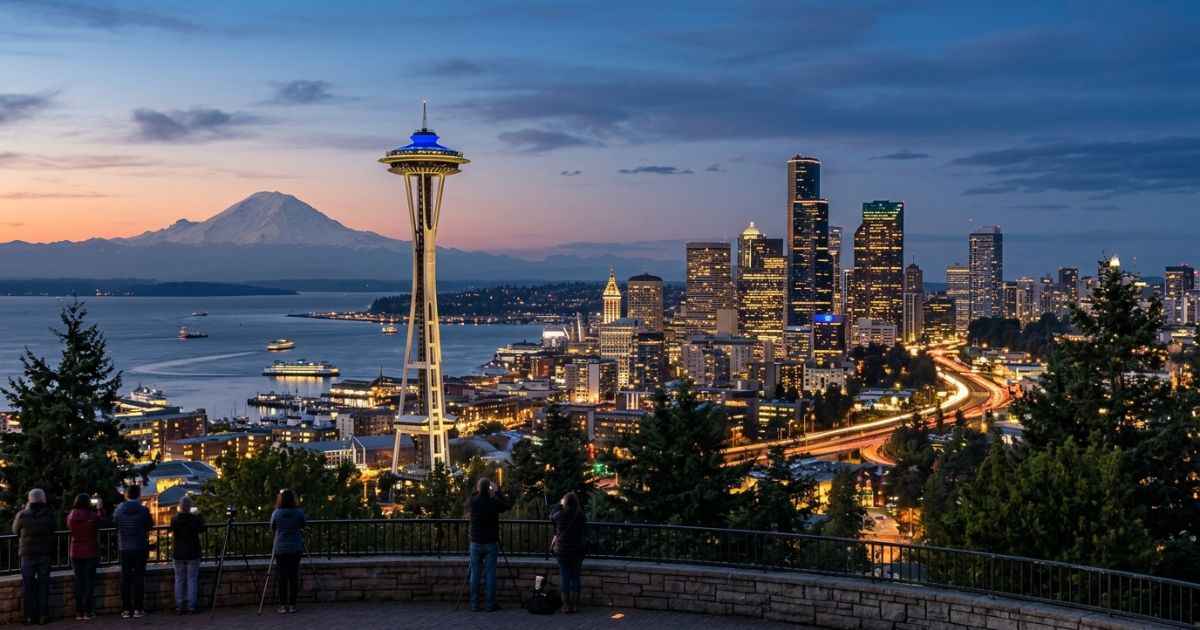
To get the most out of Seattle, focus on key spots like Pike Place Market, Seattle Center, and the downtown waterfront. Add one great viewpoint, a distinct neighborhood, and a scenic ferry ride to complete your trip. This combination gives you a strong mix of iconic landmarks, local food, and natural Pacific Northwest scenery.
Planning a trip to Seattle means choosing between major museums, outdoor parks, historic markets, and island day trips. Knowing which attractions match your time, budget, and travel group prevents you from rushing across town.
This guide breaks down the best things to do in Seattle by category, location, and travel style. You will find practical time estimates, cost breakdowns, and clear itineraries that help you plan a smooth trip without wasting time in traffic.
The Best Things to Do in Seattle at a Glance
If you are short on time, this table helps you quickly pick the right attractions for your budget, location, and schedule.
| Experience | Best For | Time Needed | Cost Category | Neighborhood | Book Ahead? |
| Pike Place Market | First-time visitors and food | 2–3 hours | Free to enter | Downtown | Usually no |
| Space Needle | Skyline and mountain views | 1–2 hours | Paid ($35–$55) | Uptown / Seattle Center | Recommended |
| Seattle Waterfront | Families and scenic walks | 2–4 hours | Mixed | Downtown | Some attractions |
| Discovery Park | Nature trails and beaches | 2–4 hours | Free | Magnolia | No |
| Bainbridge Ferry | Scenic boat rides and views | Half or full day | Paid (Under $10) | Downtown Waterfront | Depends on route |
What Should You Not Miss in Seattle?
First-time visitors should prioritize three main locations: Pike Place Market, the Seattle Center campus, and the downtown waterfront. Several attractions form walkable clusters, especially around Pike Place Market, the waterfront, and Seattle Center; moving between clusters may require transit or uphill walking.
Pike Place Market and the Surrounding Waterfront
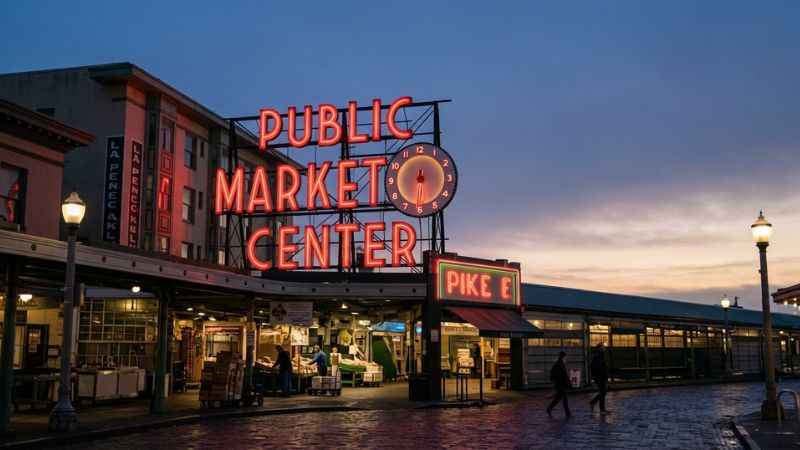
Pike Place Market is a historic public farmers’ market founded in 1907. Covering nine acres, it features hundreds of small independent farmers, craftspeople, fishmongers, and specialty food shops.
- How to Visit: Arrive before 9:00 AM to beat the crowds and watch the market wake up. Start at the main arcade to see the famous fish toss at Pike Place Fish Market.
- What to See: Walk down Post Alley to see the Post Alley Gum Wall. Browse local crafts on the lower market levels, or grab fresh pastries from nearby bakeries.
- Waterfront Connection: Walk through the Overlook Walk, an elevated pedestrian pathway that connects the upper market directly to the revitalized waterfront promenade.
- Practical Tip: The market is full of narrow ramps and steep brick steps. Wear comfortable walking shoes, and be prepared for dense crowds between 11:00 AM and 3:00 PM.
Seattle Center: Space Needle, Chihuly, and MoPOP
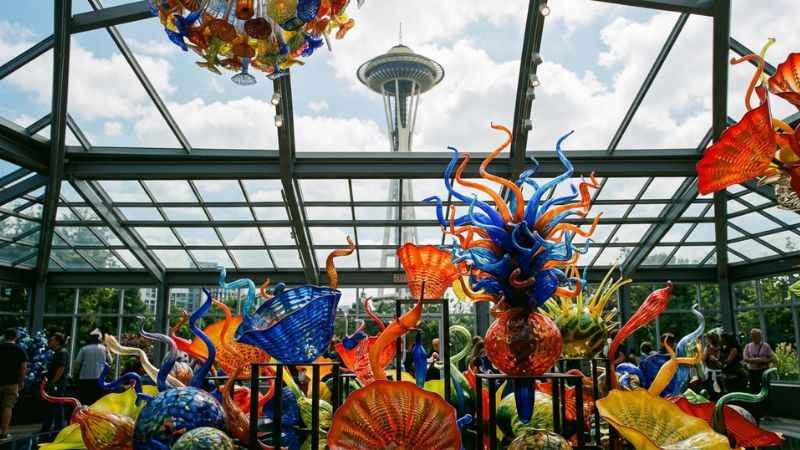
Seattle Center is a 74-acre park and arts complex built for the 1962 World’s Fair. It houses several of the city’s top ticketed attractions right next to each other.
- Space Needle: Ride the glass elevator 520 feet up to the observation deck. It features a revolving glass floor on the lower level and open-air glass walls on the upper level.
- Chihuly Garden and Glass: This museum showcases the glass artwork of Dale Chihuly. It includes eight interior galleries, a massive glasshouse, and an outdoor garden.
- MoPOP (Museum of Pop Culture): Designed by architect Frank Gehry, this interactive museum celebrates music, sci-fi, video games, and pop culture history.
| Attraction | Best For | Typical Visit Length |
| Space Needle | 360-degree city and mountain views | 1–1.5 hours |
| Chihuly Garden and Glass | Art, color, and photography | 1–2 hours |
| MoPOP | Music history, sci-fi, and hands-on exhibits | 2–3 hours |
| Pacific Science Center | Families and interactive science | 2–4 hours |
Seattle Waterfront and Elliott Bay
Seattle’s downtown waterfront runs along Elliott Bay and offers clear views of the Olympic Mountains across Puget Sound.
- Seattle Aquarium: Located on Pier 59 and the new Ocean Pavilion, this aquarium focuses on Puget Sound marine life, sea otters, and tropical coral reef habitats.
- Seattle Great Wheel: A 175-foot giant Ferris wheel on Pier 57 that offers fully enclosed, climate-controlled gondola rides over the water.
- Piers and Promenades: Walk along Pier 62 for public art, outdoor seating, and harbor cruise departures on Argosy Cruises.
Free Things to Do in Seattle
You do not need a big budget to enjoy Seattle. Many of the city’s best parks, viewpoints, and cultural hubs charge no entry fee.
| Free Activity | Best Time to Visit | Why Visit |
| Kerry Park | Clear evening or sunset | Iconic view of the Space Needle and downtown skyline |
| Discovery Park | Daylight hours | Miles of forest trails, bluffs, beaches, and a historic lighthouse |
| Olympic Sculpture Park | Daylight hours | Free outdoor art museum managed by the Seattle Art Museum |
| Gas Works Park | Late afternoon / sunset | Panoramic views of Lake Union from a former coal gasification plant |
| Ballard Locks | Daytime hours | Watch boats change water levels and view seasonal salmon migration |
| Fremont Troll | Any daylight hour | Famous 18-foot stone troll sculpture under the George Washington Memorial Bridge |
| Seattle Central Library | Rainy weather | Striking 11-story glass and steel building designed by Rem Koolhaas |
| Pike Place Market | Early morning | Free to enter, stroll, and browse local artisan stalls |
Note: While these attractions have no entry fees, remember to budget for public transit, street parking, or nearby food.
Seattle Neighborhoods Worth Exploring
Seattle is a city of distinct neighborhoods. Stepping away from the main downtown core gives you a much better taste of local food, art, and daily life.
| Neighborhood | Best For | Suggested Time |
| Pioneer Square | History and historic brick architecture | 2–3 hours |
| Capitol Hill | Dining, coffee culture, and nightlife | Half day or evening |
| Fremont | Quirky sights, public art, and local stops | 2–4 hours |
| Ballard | Maritime history, salmon viewing, and food | Half day |
| International District | Asian cuisine, history, and markets | 2–3 hours |
Pioneer Square
Pioneer Square is Seattle’s historic core, famous for its 1890s Romanesque Revival brick buildings. It is home to art galleries, first-Thursday art walks, and Occidental Square. It is also the starting point for Beneath the Streets and Bill Speidel’s Underground Tour, which take visitors into subterranean passages built below modern street levels after the Great Seattle Fire of 1889.
Capitol Hill
Capitol Hill is the center of Seattle’s LGBTQ+ community and dining scene. Walk along Broadway or Pike/Pine to find specialty coffee shops, independent bookstores like Elliott Bay Book Company, and live music venues. Head north to Volunteer Park to visit the Seattle Asian Art Museum or check local park updates regarding visitor access to the historic water tower for views of the city.
Fremont
Self-proclaimed as the “Center of the Universe,” Fremont is known for its public art. Search for the Fremont Troll under the bridge, spot the giant statue of Lenin, and browse local boutiques. The neighborhood sits along the Ship Canal, making it a great place to explore local dining or walk along the water.
Ballard
Located in northwest Seattle, Ballard blends Nordic heritage with maritime industry. Visit the bustling historic core on Ballard Avenue NW for boutiques, top-rated restaurants, and craft breweries. The neighborhood is also home to the National Nordic Museum and the busy Hiram M. Chittenden Locks (locally known as the Ballard Locks).
Chinatown-International District (CID)
The CID is a rich cultural hub housing Chinese, Japanese, Vietnamese, and Filipino businesses. Stop by Uwajimaya, a massive Asian supermarket and food hall, or visit the Wing Luke Museum of the Asian Pacific American Experience to learn about local regional history.
Outdoor Activities and Scenic Views in Seattle
Seattle is surrounded by water and mountain ranges. When the weather is clear, local parks offer clear views of Mount Rainier, the Cascade Mountains, and the Olympic Range.
Discovery Park and West Point Lighthouse
Discovery Park is Seattle’s largest green space, covering 534 acres on a peninsula jutting into Puget Sound.
- Trails: Over 11 miles of walking trails pass through open meadows, sea cliffs, and dense forests.
- Lighthouse: Follow the Loop Trail down to the sandy beach to visit the active West Point Lighthouse.
- Plan Ahead: Reaching the lighthouse requires a 2.8-mile round-trip hike with steep elevation drops. Shuttle buses run seasonally for guests with mobility needs.
Comparing Top Viewpoints: Kerry Park vs. Gas Works Park vs. Olympic Sculpture Park
- Kerry Park (Queen Anne Hill): The classic postcard view. It offers a small, elevated lookout pointing south directly over the Space Needle, downtown skyscrapers, and Mount Rainier.
- Gas Works Park (Lake Union): Located on the north shore of Lake Union. It features grassy hills built around preserved industrial gasification structures. It is ideal for watching floatplanes land and seeing the skyline from across the lake.
- Olympic Sculpture Park (Waterfront): A free 8.5-acre park created by the Seattle Art Museum. Zigs-zags down a gentle slope from Western Avenue to the water, combining massive modern sculptures with open views of Elliott Bay.
Ballard Locks and the Fish Ladder
The Hiram M. Chittenden Locks connect the saltwater of Puget Sound with the fresh water of Lake Washington and Lake Union.
Visitors can stand feet away from commercial fishing boats and pleasure yachts as the water levels shift inside the concrete chambers. On the side of the locks, an underwater viewing gallery lets you watch migrating Pacific salmon (sockeye, Chinook, and coho) leap up the fish ladder, with peak viewing running from mid-July through September.
Green Lake, Alki Beach, and the Washington Park Arboretum
- Green Lake Park: A popular spot for local runners, walkers, and strollers. A paved 2.8-mile path loops around the freshwater lake.
- Alki Beach Park: Located in West Seattle, offering a long sandy beach, a paved boardwalk, and views of the downtown skyline across the bay.
- Washington Park Arboretum: A quiet 230-acre park on Lake Washington featuring extensive tree collections, the Azalea Way walking trail, and the tranquil Seattle Japanese Garden.
Best Things to Do in Seattle With Kids
Seattle is a family-friendly destination with attractions built for hands-on discovery and easy walking.
| Activity | Best For | Weather Suitable | Time Needed |
| Seattle Aquarium | Touch tanks and sea otters | Any weather | 2–3 hours |
| Pacific Science Center | Hands-on experiments and planetarium | Rainy days | 2–4 hours |
| Woodland Park Zoo | Outdoor animal habitats | Dry weather | 3–5 hours |
| Seattle Center (Artists at Play) | Free outdoor playground and fountains | Dry weather | 1–2 hours |
| Green Lake Park | Strollers, swimming, and playground | Dry weather | 2–3 hours |
Tips for Traveling Seattle with Children
- Stroller Access: Major attractions like the Seattle Aquarium, Woodland Park Zoo, and Pacific Science Center offer wide ramps and flat floors. However, downtown streets between Pike Place and 5th Avenue feature steep hills that can make pushing a stroller tiring.
- Transit: The Link light rail and public buses operated by King County Metro are free for youth aged 18 and under.
- Restrooms and Breaks: Seattle Center and the Seattle Waterfront offer public options for rest breaks, including indoor dining areas like the Armory Food & Event Hall at Seattle Center (verify current vendor and facility hours before visiting).
Best Indoor and Rainy-Day Activities
Seattle’s wetter season generally falls in the cooler months, bringing more overcast days between late autumn and spring. Having a clear list of indoor options keeps your itinerary moving regardless of the weather.
If it rains during your trip, choose an activity based on how much time you have:
- If you have 2 hours: Visit the Seattle Art Museum (SAM) downtown (check official schedules for operating hours) or explore the indoor halls of the Seattle Central Library.
- If you have a half day: Head to Pike Place Market to browse the covered arcades, then walk down to the Underground Tour in Pioneer Square.
- If you have a full day: Spend the morning at Museum of Flight (South Seattle) to tour historic aircraft, then enjoy lunch at an indoor dining venue like Uwajimaya Village or the Seattle Center Armory.
- If you are traveling with kids: Head directly to the Pacific Science Center for hands-on labs, an IMAX theater, and a tropical butterfly house.
Seattle Ferry Rides, Cruises, and Day Trips
Water travel is a core part of life in the Pacific Northwest. You can take short ferry rides across Puget Sound or plan longer day trips into nearby national parks.
Bainbridge Island by Washington State Ferries
Taking the Washington State Ferry from the Seattle Waterfront to Bainbridge Island is one of the easiest ways to get out on the water.
- The Crossing: The ferry ride takes about 35 minutes each way and offers clear skyline views as you leave downtown Seattle.
- What to Do: Walk off the ferry directly into Winslow, the main town on the island. Winslow features local coffee shops, ice cream parlors, wine tasting rooms, and the Bainbridge Island Museum of Art.
- Logistics: Pedestrians can buy tickets at Pier 52. You do not need a car to visit Winslow on foot.
King County Water Taxi to West Seattle
For a shorter water ride, take the King County Water Taxi from Pier 50 to Seacrest Park in West Seattle. The crossing takes 10 to 12 minutes. From Seacrest Park, you can rent kayaks, eat at waterfront restaurants, or catch a shuttle bus to Alki Beach.
Regional Trips Beyond the City Limits
- Snoqualmie Falls: Located 30 miles east of downtown Seattle. A dramatic 268-foot waterfall featuring short walking trails and an upper viewing deck. (Requires 3–4 hours total).
- Mount Rainier National Park: Located 2.5 to 3 hours south of the city. Features high-alpine meadows, old-growth forests, and glacier views near the Paradise visitor area. (Requires a full 10-to-12-hour commitment).
- Whale Watching Tours: Seasonal boat tours run out of downtown piers or nearby Anacortes (May through October) to spot orcas, humpback whales, and sea life in the Salish Sea.
| Trip Destination | Typical Commitment | Best For | Main Consideration |
| Bainbridge Island | Half day (3–5 hours) | Small-town charm and views | Check returning ferry times |
| Snoqualmie Falls | Half day (3–4 hours) | Waterfall views and easy trails | Car required or guided tour |
| Mount Rainier | Full day (10–12 hours) | High mountain scenery | Long drive times and park entry pass |
| Whale Watching | Half day (4–6 hours) | Marine wildlife spotting | Seasonal operation (May–Oct) |
How to Plan Seattle by Trip Length
The key to a good Seattle itinerary is grouping attractions geographically. Visiting places in the same neighborhood prevents back-and-forth travel across the city.
1-Day Seattle Itinerary: The Highlights
- Morning: Start at Pike Place Market at 8:30 AM. Browse the shops, see the fish toss, and grab coffee. Walk down the Overlook Walk to explore the Seattle Waterfront.
- Afternoon: Take the Seattle Center Monorail from Westlake Center to Seattle Center. Visit the Space Needle and either Chihuly Garden and Glass or MoPOP.
- Evening: Walk or ride up to Kerry Park for sunset views of the city skyline, then head to Capitol Hill for dinner.
2-Day Seattle Itinerary: Culture and History
- Day 1: Follow the 1-Day Itinerary above.
- Day 2 (Morning): Head south to historic Pioneer Square. Take the Underground Tour to learn about early Seattle history.
- Day 2 (Afternoon): Hop on the Bainbridge Island Ferry at Pier 52. Spend 2–3 hours exploring shops and bakeries in Winslow before riding the ferry back to Seattle during sunset.
3-Day Seattle Itinerary: Neighborhoods and Nature
- Days 1 & 2: Follow the 2-Day Itinerary above.
- Day 3 (Morning): Drive or take transit north to Ballard Locks to see boats and salmon. Walk through the historic Ballard Avenue shopping district.
- Day 3 (Afternoon): Visit the Fremont Troll, then head west to Discovery Park for an afternoon walk along the bluffs down to the lighthouse.
Seattle Attractions by Budget and Booking Needs
Advance planning saves both money and time when visiting busy tourist spots.
What You Should Book in Advance
- Space Needle & Chihuly Garden and Glass: Timed-entry tickets often sell out during peak summer weekends.
- Whale Watching and Boat Cruises: Book tours 1–2 weeks ahead during peak summer months.
- Underground Tour: Space is limited inside underground tunnels; book tickets online 1–2 days prior.
What is Flexible (Walk-In Friendly)
- Public Parks: Discovery Park, Gas Works Park, Kerry Park, Green Lake, and Olympic Sculpture Park require no reservations or tickets.
- Pike Place Market: Open daily; no admission tickets needed.
- Ballard Locks: Open daily during daylight hours; free to walk through.
Practical Seattle Planning Tips
- Getting Around Without a Car: Downtown Seattle, Seattle Center, and the waterfront are highly walkable and connected by public transit. Use the Link light rail to travel directly from Seattle-Tacoma International Airport (SEA) to downtown in about 35 minutes.
- Transit Passes: Buy an ORCA card or use contactless mobile payment on King County Metro buses, Link light rail, streetcars, and local water taxis.
- Managing Hills: Seattle is built on steep hills running east-to-west from 1st Avenue up to 6th Avenue. If you have mobility concerns, use public elevators inside buildings like the Pike Place Market garage or target street routes with lower inclines.
- Packing for Weather: Seattle weather changes quickly. Pack layers, comfortable waterproof walking shoes, and a light rain jacket. Locals rarely use umbrellas because wind along the waterfront makes them impractical.
Common Seattle Trip Mistakes to Avoid
- Trying to drive downtown: Parking downtown is expensive and traffic can be heavy. Use the Link light rail, buses, or rideshare apps for city trips.
- Visiting Pike Place at noon: Midday brings massive crowds. Visit before 9:30 AM for a more relaxed experience.
- Underestimating travel time to Mount Rainier: Driving to Mount Rainier National Park takes 2.5 to 3 hours each way. Scheduling a day trip to the mountain on the same day as your flight home often leads to missed flights.
- Buying individual tickets without checking bundle passes: If you plan to visit three or more major ticketed attractions (such as the Space Needle, Aquarium, and MoPOP), check attraction bundles like Seattle CityPASS to save money.
Frequently Asked Questions About Things to Do in Seattle
What should I not miss in Seattle?
Do not miss Pike Place Market, Seattle Center (including the Space Needle), and the revitalized Seattle Waterfront. Complete your trip with a scenic ferry ride across Puget Sound and a visit to a park like Discovery Park or Kerry Park.
Is three days enough in Seattle?
Yes, three days is enough time to see Seattle’s major landmarks, explore two or three distinct neighborhoods, visit top museums, and take a ferry ride without rushing.
What are the best free things to do in Seattle?
The top free activities include exploring Pike Place Market, walking through Discovery Park, viewing public art at the Olympic Sculpture Park, watching boats at the Ballard Locks, and taking in skyline views from Kerry Park or Gas Works Park.
What can I do in Seattle on a rainy day?
On rainy days, visit indoor museums like MoPOP, Chihuly Garden and Glass, the Pacific Science Center, or the Museum of Flight. You can also explore the covered arcades of Pike Place Market or take the historic Underground Tour in Pioneer Square.
Can I visit Seattle without renting a car?
Yes, you can easily visit Seattle without a car. The Link light rail connects the airport directly to downtown. Central attractions, waterfront piers, and Seattle Center are accessible on foot, by light rail, by streetcar, or via short rideshares.
Is the Space Needle worth visiting?
The Space Needle is worth visiting for first-time visitors who want 360-degree views of Puget Sound, downtown, and Mount Rainier. If you are on a tight budget, Kerry Park and Columbia Center’s Sky View Observatory offer great view alternatives for less money.
Your Next Step
Pick two nearby hubs—such as Pike Place Market and the Seattle Waterfront—and map out your first morning route to start building your itinerary.
You May Also Like:
Things to Do in LA: The Practical Neighborhood Guide
Things to Do in Atlanta: The Complete 2026 Guide for Every Type of Traveler